A letter lying on a timber desk beside a pen and a leather folio in late afternoon light
Letter of Demand QLD

Letter of demand lawyers, Queensland

A letter of demand is the cheapest step in any debt dispute and the one most often got wrong. We draft letters that make paying the easiest thing the other side can do - and that hold up if it is not.

Free 15-minute initial consultationMost debts resolve at this stepActing Queensland-wide

Start with the Fast-Track Assessment

Tell us who owes what and how long it has been outstanding. It takes about a minute, and it decides whether a letter is enough on its own.

Need a letter drafted quickly? Start here.

About you
Step 1 of 5

We will come back to you with whether a letter of demand is the right next step and what it needs to say. No obligation, and no cost for the first conversation.

A letter of demand is the first pleading, not a letter

A letter of demand is a formal written notice that sets out the debt, the legal basis for it, and a date by which it has to be paid. It is not a court document and it creates no new obligation. What it does is put the other side on notice, in writing, that you are treating the matter as a legal one.

Most debts end here. A demand that is specific, correctly addressed and credible is frequently enough on its own, which is why it is worth getting right rather than getting out quickly.

The mistake almost everyone makes is thinking of it as a letter. It is the first pleading.

Everything you put in it becomes evidence. If the matter goes to court, your demand is the first thing annexed to the claim, and it is the first thing the other side's lawyer reads looking for the gap. An amount you cannot substantiate, a date that contradicts your own invoice, a threat you were never going to carry out: each one is a free gift to the person who owes you money.

That is also why the free template is a bigger risk than it looks. The template is not wrong. It is blank, and every blank in it is a decision that a court will later read back to you.

Signing a document at a desk
Odyssey Legal
Sometimes you should just write it yourself

If your debt is straightforward, small, and the other side has never disputed it, a template letter you write yourself is often the right call. The Queensland Small Business Commissioner publishes one and it is free. This page is about the debts where that is not the right call, and about the things that make the difference either way. Their template is here.

What has to be in it, and why each part is a decision

Five parts, in the order they appear. The list is not the hard bit. The judgement inside each item is.

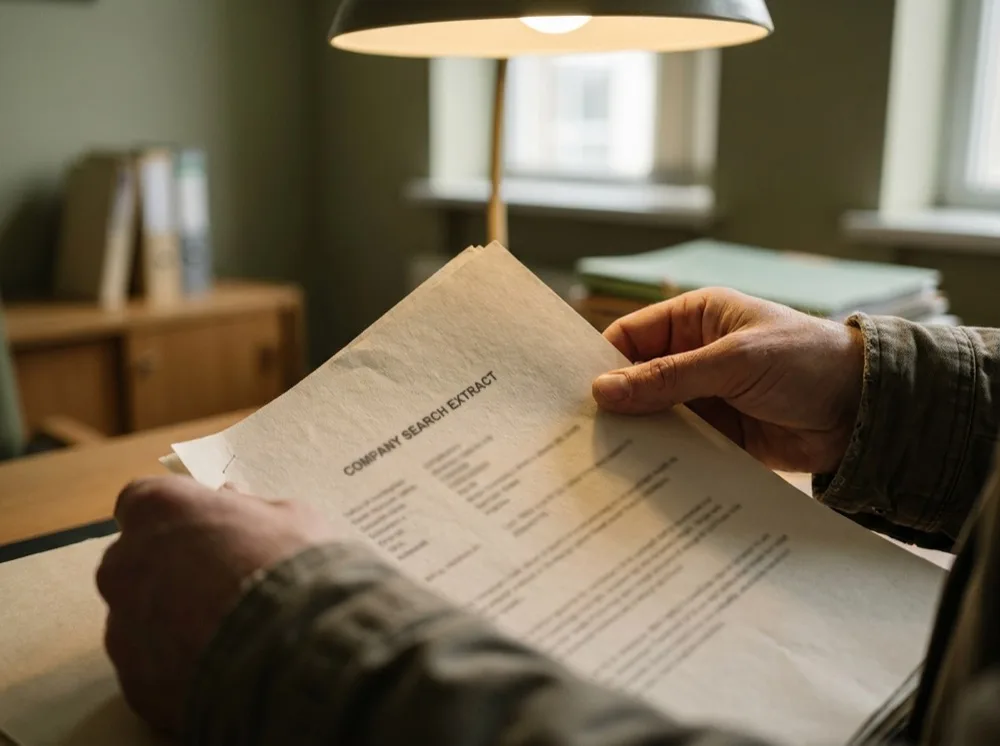
Turning the pages of a company search extract under a desk lamp
01

The parties, named exactly

Your full legal name and theirs, with the ABN or ACN. This is the part people get wrong most often and notice last. A trading name is not a legal entity, so a demand addressed to one is addressed to nobody, and a judgment in that name is unenforceable. If the debtor is a company, a current company search costs a few dollars and settles it.

An open binder of contract documents on a dark timber table
02

The facts, and the legal basis

What was agreed, what you did, and what makes the money payable: a contract term, an invoice accepted without objection, an account stated, or a statutory entitlement. Say which. A demand that asserts an amount without saying why it is owed reads as an opinion, and an opinion is easy to ignore.

A calculator, invoices and a pen beside a closed laptop
03

The amount, and only what you can prove

The principal, itemised by invoice number and date. Then interest, but only if a contract term or a statute actually entitles you to it. Recovery costs, but only the ones you can genuinely recover. Every dollar you add without a basis is a dollar the other side can point at to argue the whole demand is inflated.

A wall clock and desk calendar out of focus behind a document edge
04

The deadline, and what follows it

A calendar date, not a number of days, and generally 7 to 14 days from the letter. Then the consequence, stated plainly and limited to what you are actually prepared to do. A deadline with no consequence is a reminder. A consequence you will not act on is worse than none, because the next letter you send has already been discounted.

A laptop and phone on a clean desk in soft morning light
05

How to pay, and how to respond

Bank details, a reference, and the address for payment. Make paying frictionless. Then invite a response: if they dispute the debt, you want that in writing and you want it now, because a dispute raised early can be dealt with cheaply and a dispute raised on the courthouse steps cannot.

None of that is secret. It is on the Queensland Government's template and on every competitor's blog. The work is not knowing the list, it is the judgement inside each item: which entity, which basis, which number, which consequence, and which of them you can stand behind.

Seven ways a demand damages the case it was meant to start

These are not stylistic. Each one is a line in a letter that a defendant's solicitor reads back to you later, and every one of them is avoidable before the letter goes out.

  • Demanding from the wrong entityThe name on the invoice is often a trading name, and the trading name is not who owes you the money. Demand from the wrong entity and you have warned the right one without binding it.A magnifying glass resting on a printed company register page
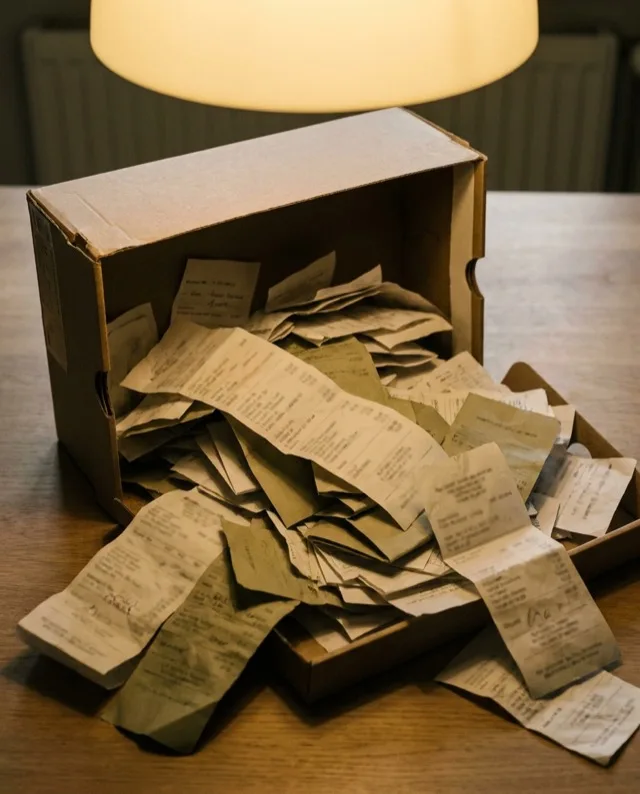
  • Claiming a figure you cannot substantiateRound numbers, estimates and a bit of margin for the inconvenience. If the amount demanded and the amount later claimed do not match, the difference is the first question you are asked.A box of loose receipts and invoices tipped onto a table
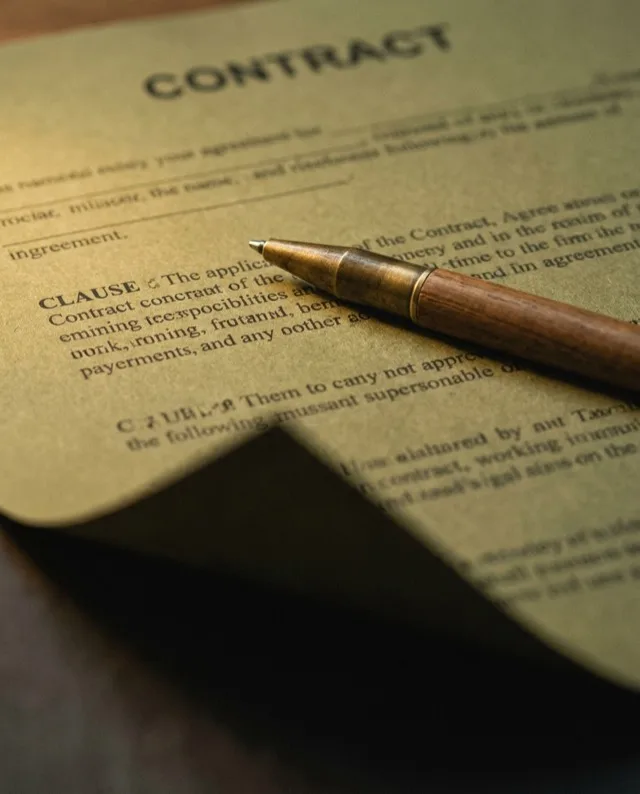
  • Adding interest you have no right toInterest needs a contract term or a statutory basis. Without one, a demand that compounds a penalty rate onto an unpaid invoice is simply overstated, and it invites a defence rather than a payment.A contract page with a pen resting on it, one clause falling into shadow
  • Threatening something you will not doMisrepresenting what will happen if the debt is not paid is conduct the ACCC and ASIC guideline deals with directly, and overstating your rights can engage the Australian Consumer Law. It is also self-defeating: a threat not carried out teaches the debtor exactly how much your letters are worth.An empty courtroom bench and public gallery in daylight
  • Marking it without prejudiceA reflex that defeats the letter. Correspondence marked without prejudice is generally privileged, so the document you most want to put in front of the court to prove you demanded payment is the one you may not be able to show it.A sheet of paper face down on a desk beside a rubber stamp and ink pad
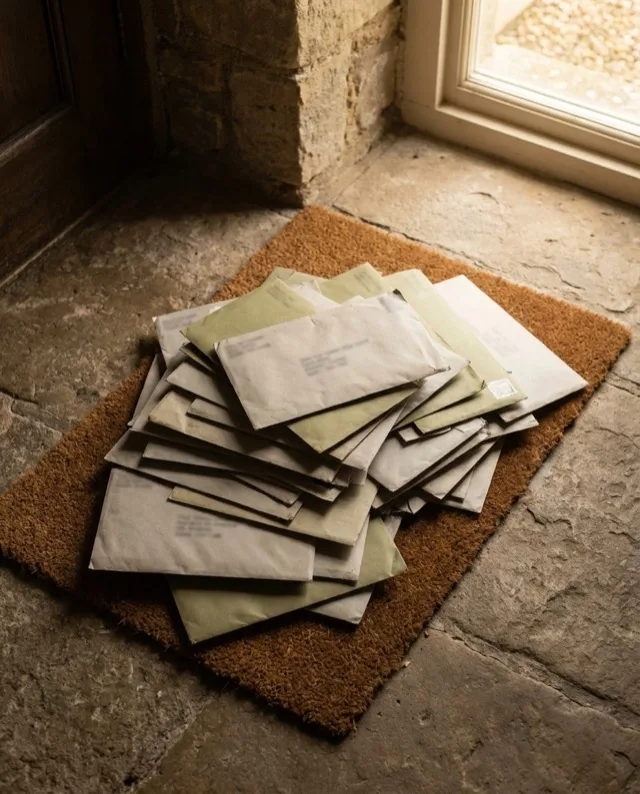
  • Sending too many, too oftenEscalating volume reads as pressure rather than process, and undue harassment in connection with the payment of a debt is prohibited by the Australian Consumer Law. One properly drafted demand does more than six increasingly angry ones.A stack of unopened envelopes piled on a doormat
  • Assuming the letter stops the clockIt does not. In Queensland an action on a simple contract debt generally has to be started within six years, and sending demands does not extend that. Debts are lost this way every year by people who were sure they were still chasing it.An analogue wall clock in a dim office corridor lit from one side

Six of those seven cost you nothing to avoid. The seventh costs you the debt entirely, and it is the one nobody checks until it is too late. The Limitation of Actions Act 1974 is the one to read if your debt is getting old, and the ACCC and ASIC debt collection guideline is the one behind the fourth and sixth.

Write it yourself, start from a template, or have us send it

All three are legitimate. Which one is right depends on the size of the debt, whether it is disputed, and what you are prepared to do if the deadline passes.

A small business owner working at a kitchen table at night
Route oneWrite it yourself
Best forA small, recent, undisputed debt where the relationship still matters
What it costsNothing but your time
What it gets youA written record that you demanded payment, which QCAT and the courts expect to see
Where it falls downNo leverage beyond your own name, and every blank in the template is your decision
A printed document on a desk beside an open laptop, shot from above
Route twoStart from a drafted template
Best forA debt with a wrinkle: a company debtor, a construction payment, a consumer law claim
What it costsA fixed price, listed in our DIY Templates shop
What it gets youWording drafted by our lawyers for that specific situation rather than for debts in general
Where it falls downIt is still your letter on your letterhead, and it cannot weigh up facts it has never seen
Two professionals reviewing a document together across a meeting table
Route threeHave us draft and send it
Best forA disputed debt, a substantial one, or one you expect to have to enforce
What it costsQuoted to you in writing before any work starts
What it gets youA demand on a law firm's letterhead, drafted so it holds up as the first document in the file
Where it falls downIt is a cost, and on a small undisputed debt it may be more than the leverage is worth

We will tell you which of the three we think you need, including when that answer is the first one. A demand we would not have sent is not worth the fee. The middle route is our DIY Templates shop, and where the debt is a progress claim under a construction contract, read the building and construction page first: the BIF Act timeframes apply before any of this does, and they are shorter than you think.

What the letter is worth after the deadline passes

A demand that did not get paid has not failed. It has done four things that change what the next step costs and how likely it is to work.

  1. If proceedings start

    Your demand is annexed to the claim

    What a good demand bought youProof you gave them the chance to payWhat a careless one costsAny overstatement is the first thing put to you
  2. When costs are argued

    A demand framed as an offer can shift who pays

    What a good demand bought youA basis to argue for costs from the date it expiredWhat a careless one costsA bare demand does none of that work
  3. When interest is calculated

    The demand fixes the date interest runs from

    What a good demand bought youA clear start date on the recordWhat a careless one costsNo date, and interest is argued from further back
  4. If the debtor is a company

    A genuinely disputed debt cannot support one

    What a good demand bought youA demand that flushed out no dispute strengthens itWhat a careless one costsYour own letter may be the proof a dispute exists
What actually happens next

Before anything is filed, the question is whether the debtor can pay at all. There is no point buying a judgment against someone with nothing to enforce against, and that assessment costs far less than the proceedings it sometimes prevents.

From there the forum depends on the amount and the enforcement options depend on the debtor. Our debt recovery page sets out that path in full, including the thresholds and what QCAT expects you to have done first.

Why choose Odyssey Legal?

Imagine the relief of finally knowing your legal troubles are in expert hands. Whether it's recovering money owed through our Letter of Demand or pursuing your rights through legal proceedings, you'll leave our consultation with certainty about your path forward and the confidence that comes from having expert litigation lawyers protecting your interests.

Queensland Law Society
Australian Restructuring Insolvency and Turnaround Association
Sunshine Coast Business Council
Damon Laffin, Legal Practice Director at Odyssey Legal
Legal Practice Director

Damon Laffin

Master of Laws majoring in Commercial Litigation
Admitted to the Supreme Court of Queensland
Admitted to the High Court of Australia
11+Years of Queensland experience
$1M+Recovered for clients
What that means in practice
Focused Expertise. At Odyssey Legal, our expertise is focused solely on Litigation, Dispute Resolution and Business, giving our clients precise and practical solutions tailored to the situation.
Proven Track Record. We've successfully resolved countless disputes and helped safeguard countless businesses, efficiently and effectively.
Expert Experience. Our team brings over a decade of litigation experience, having handled a variety of complex disputes. This translates directly into strategic insights that only come from years in the trenches.
Peace of Mind. From the first consultation, we provide clarity, confidence, and a clear path forward, so you can focus on what matters most and leave the legal headache to us.
Fast-Track Assessment

Find out whether a demand is the right next step

Four questions, about a minute. It tells us whether a letter of demand is the right next step for your debt and what it would need to say - and if it is not the right step, we will say that too.

If the debt is close to six years old, start here before you send anything. Or call (07) 5370 8759 if you would rather talk it through first.

If the debtor is a company and the debt is not disputed, say so in the assessment, because that changes which step comes next.

FAQs

Can I send a letter of demand without a lawyer?

Yes. There is no requirement that a letter of demand come from a solicitor, and for a small, recent, undisputed debt writing it yourself is often the sensible choice. The Queensland Small Business Commissioner and business.gov.au both publish free templates.

The reason people instruct a lawyer is not that the letter is hard to write. It is that a letter on a law firm's letterhead signals that the next step is real, and that someone has checked the entity, the entitlement and the numbers before the letter went out.

How much does a letter of demand cost?

That depends on how much work the letter needs. A single demand on a clear unpaid invoice is a much smaller job than a demand on a disputed construction payment where the contract has to be read first.

We will tell you the cost in writing before any work begins, so you can weigh it against what you are chasing. On a small debt we will also tell you if we think the fee is more than the leverage is worth.

How effective is a letter of demand?

Most debts that are going to be paid are paid at this stage, which is why it is the first step rather than the last. A demand works when the debtor can pay and has simply been deprioritising you.

It does not work when the debtor cannot pay, or when there is a genuine dispute about the debt. Neither of those is a failure of the letter. Both are information you needed before spending money on proceedings, and that is part of what the letter buys you.

How long should I give them to pay?

Generally 7 to 14 days from the date of the letter, expressed as a calendar date rather than a number of days so there is nothing to argue about.

Shorter can be appropriate where there is a real urgency, and longer where the amount is substantial or the debtor needs to get instructions. What matters more than the length is that the date is specific and that you act when it passes.

Can I send a letter of demand by email?

Yes, and in practice most are sent by email as well as by post. What matters is that you can prove it was sent and, ideally, received.

Send it to an address the other party actually uses, keep the sent item, and where the debtor is a company consider also posting it to the registered office shown on the ASIC record. If the matter escalates, service becomes a question someone will ask.

Is a letter of demand legally binding?

No. It is not a court order and it creates no new obligation. It asserts an obligation that already exists and gives the other side a chance to meet it.

That does not make it unimportant. It is usually the first document annexed to a claim, and what it says is treated as your position on the debt from the date you sent it.

What if they ignore it?

The first thing to do is not to send another one. Work out whether the debtor can actually pay, because there is no point spending money to get a judgment against someone with nothing to enforce against.

From there the options are a further formal step, negotiation, or proceedings in the forum that matches the amount. Our debt recovery page sets out that path in full.

What if they write back and dispute the debt?

That is a useful outcome, even though it does not feel like one. A dispute raised in writing early can be assessed, answered, and often resolved for a fraction of what the same dispute costs when it surfaces after proceedings have started.

It also changes your options. Where the debtor is a company, a debt that is genuinely disputed will not support a statutory demand, so knowing about the dispute now prevents an expensive wrong turn later.

How long do I have to chase a debt in Queensland?

For most simple contract debts the Limitation of Actions Act 1974 gives you six years from the date the cause of action arose, which is usually when payment fell due.

Sending letters of demand does not extend that period. Neither does a promise to pay, unless it meets specific requirements. If your debt is approaching six years old, the time to get advice is now rather than after the anniversary.

Can I claim interest and my legal costs in the letter?

Interest, yes, if a term of your contract provides for it or a statute gives you an entitlement. Without one of those, interest claimed in a demand is simply an overstatement of the debt.

Costs are more limited than people expect. You can recover some costs if the matter proceeds and you succeed, but demanding your legal fees as part of the debt itself is usually wrong, and it makes the whole figure look inflated.

Will a letter of demand damage the relationship?

It can, and that is worth weighing honestly, particularly with a customer or supplier you want to keep. A demand is a formal step and it will be read as one.

In our experience the relationship is usually already damaged by the time someone is considering a demand. A measured, accurate letter that sets out the position and invites a response does less harm than months of chasing, and it frequently produces a conversation rather than a fight.

Call (07) 5370 8759
Export Design
Download files for your developer
General
WordPress Builders