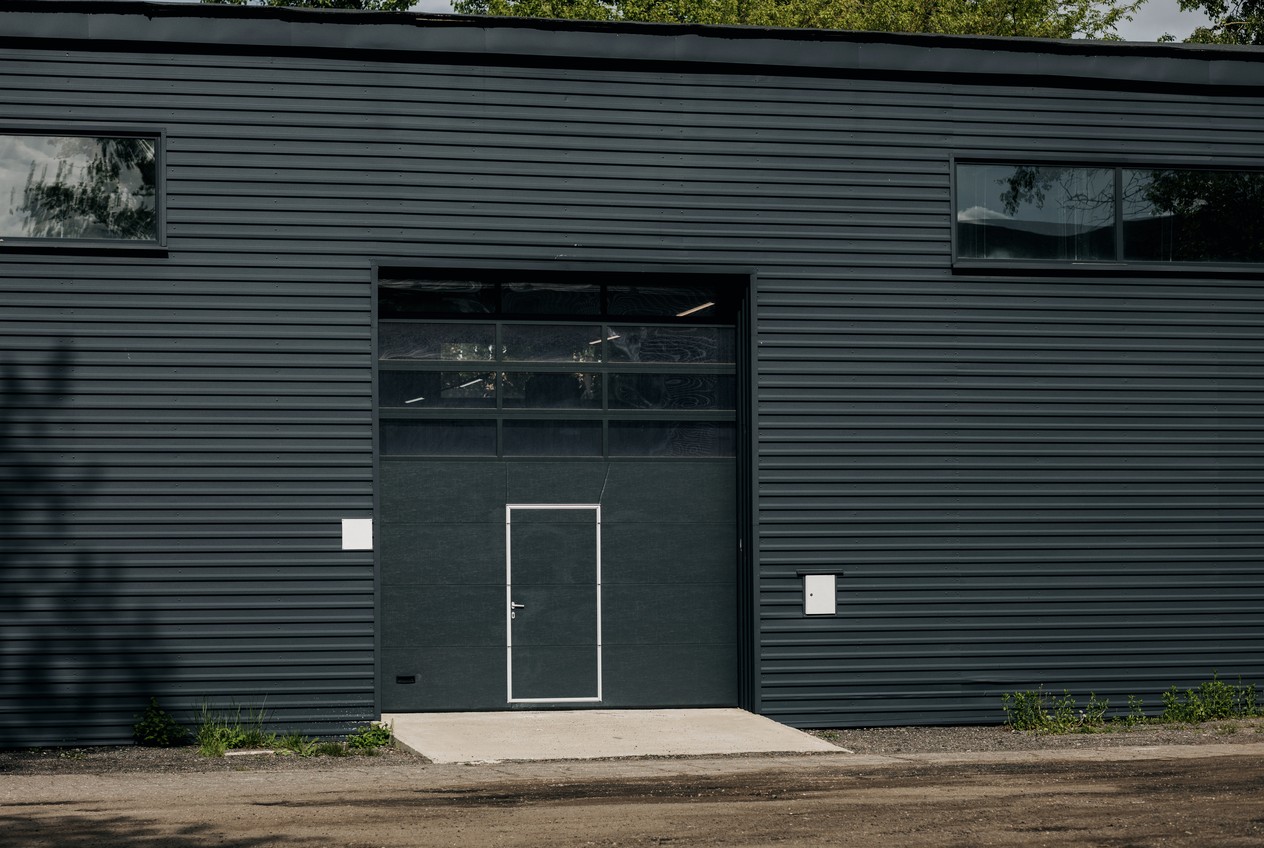
Building coverage. The structure and everything fixed to it.
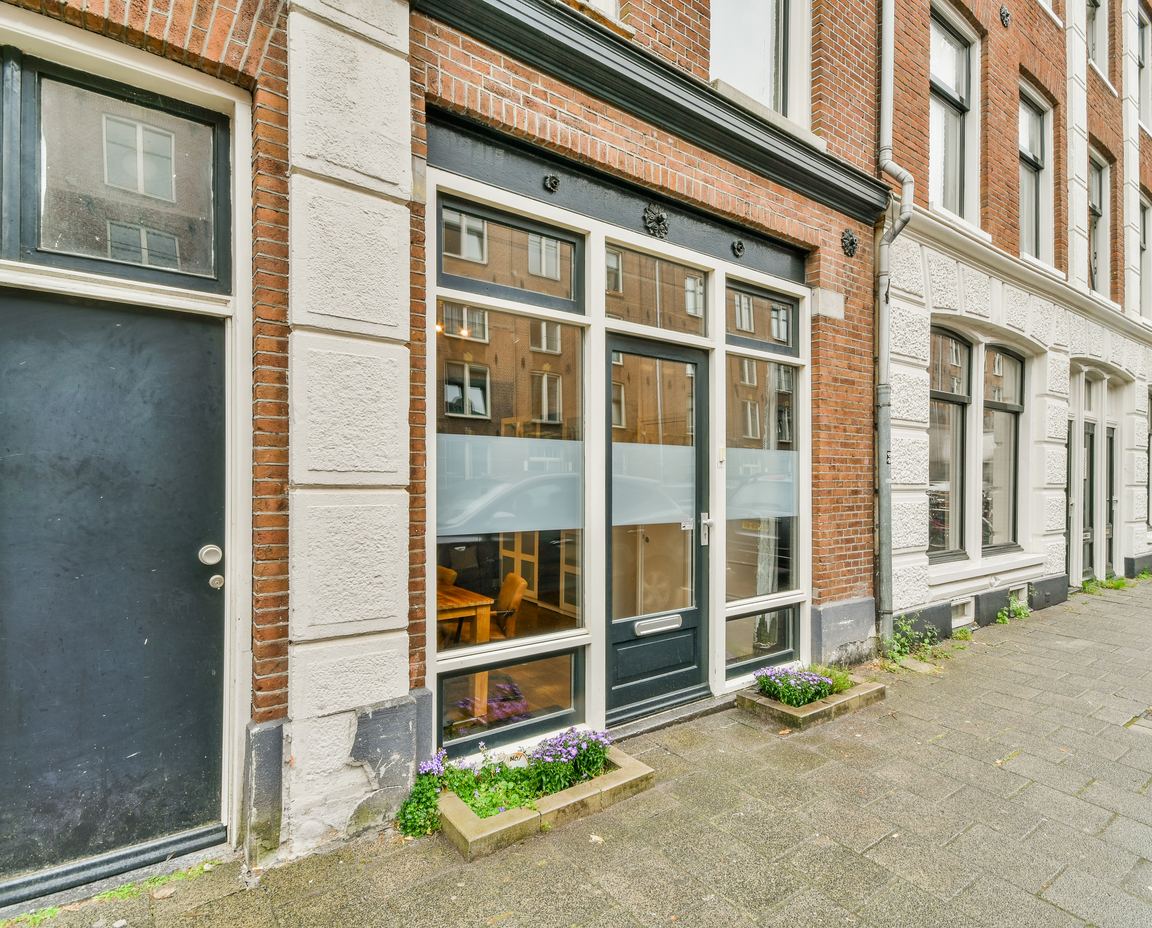
Walls, roof, foundation, permanently installed fixtures, HVAC, plumbing and electrical systems. If you own the building this is the larger half of the policy and the easier half to value.

Commercial property insurance covers your building, equipment, inventory and workspace contents against fire, storm, theft and the other perils your policy names. What it actually pays when something happens is decided long before the claim, by three choices made at binding.
Talk to an expertGet a quote
ContinueCore coverage
Most commercial property policies divide into two main parts: the building itself, and the property you keep inside it. Knowing which part answers for what is the difference between a claim that pays and a claim that argues.
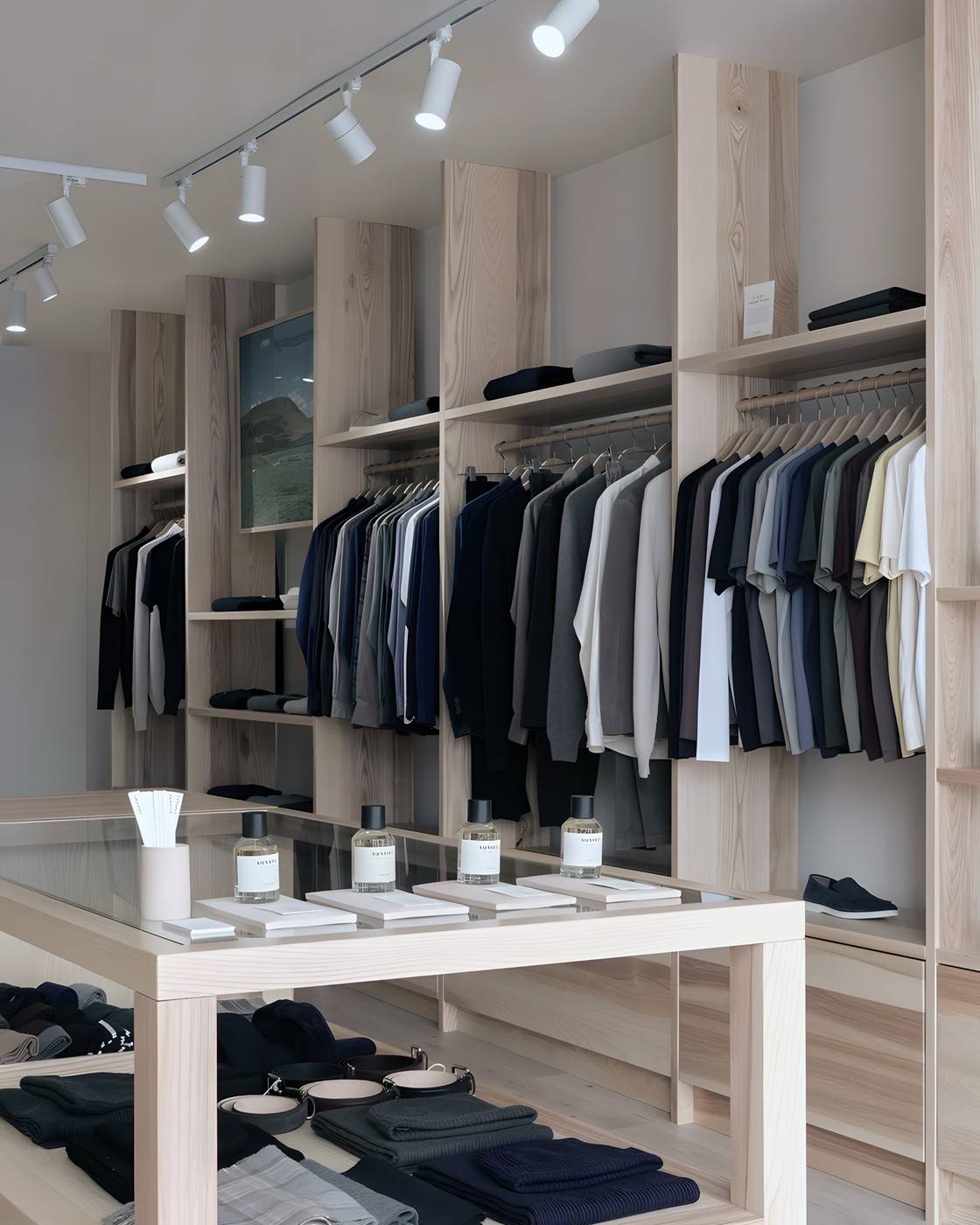
Walls, roof, foundation, permanently installed fixtures, HVAC, plumbing and electrical systems. If you own the building this is the larger half of the policy and the easier half to value.
Furniture, equipment, computers, inventory, supplies and tools. This is the half tenants care about, and it is the half most often under-scheduled, because it grows quietly and nobody updates the number.
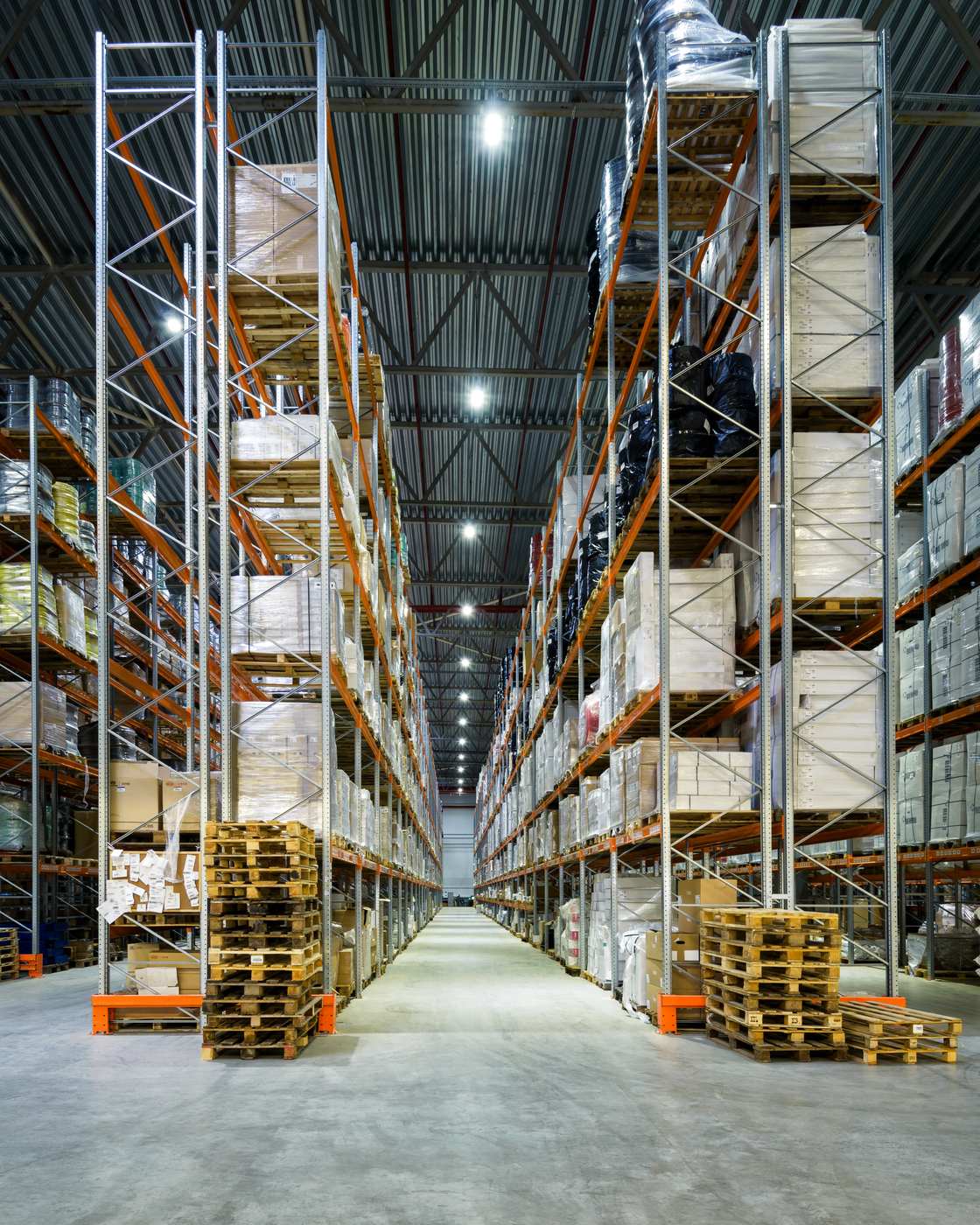
Fire damages your warehouse roof and the HVAC plant sitting on it.
Property in your care, custody or control that belongs to clients or vendors. A customer's equipment damaged while stored at your facility.
Fire, lightning, windstorm, hail, explosion, smoke, vandalism, theft, burst pipes and vehicle impact. A burst pipe floods your retail store and damages the inventory.
Theft of computer equipment from your office, and damage done getting to it. Note this is theft by a stranger; theft by somebody you employ is a different product entirely.
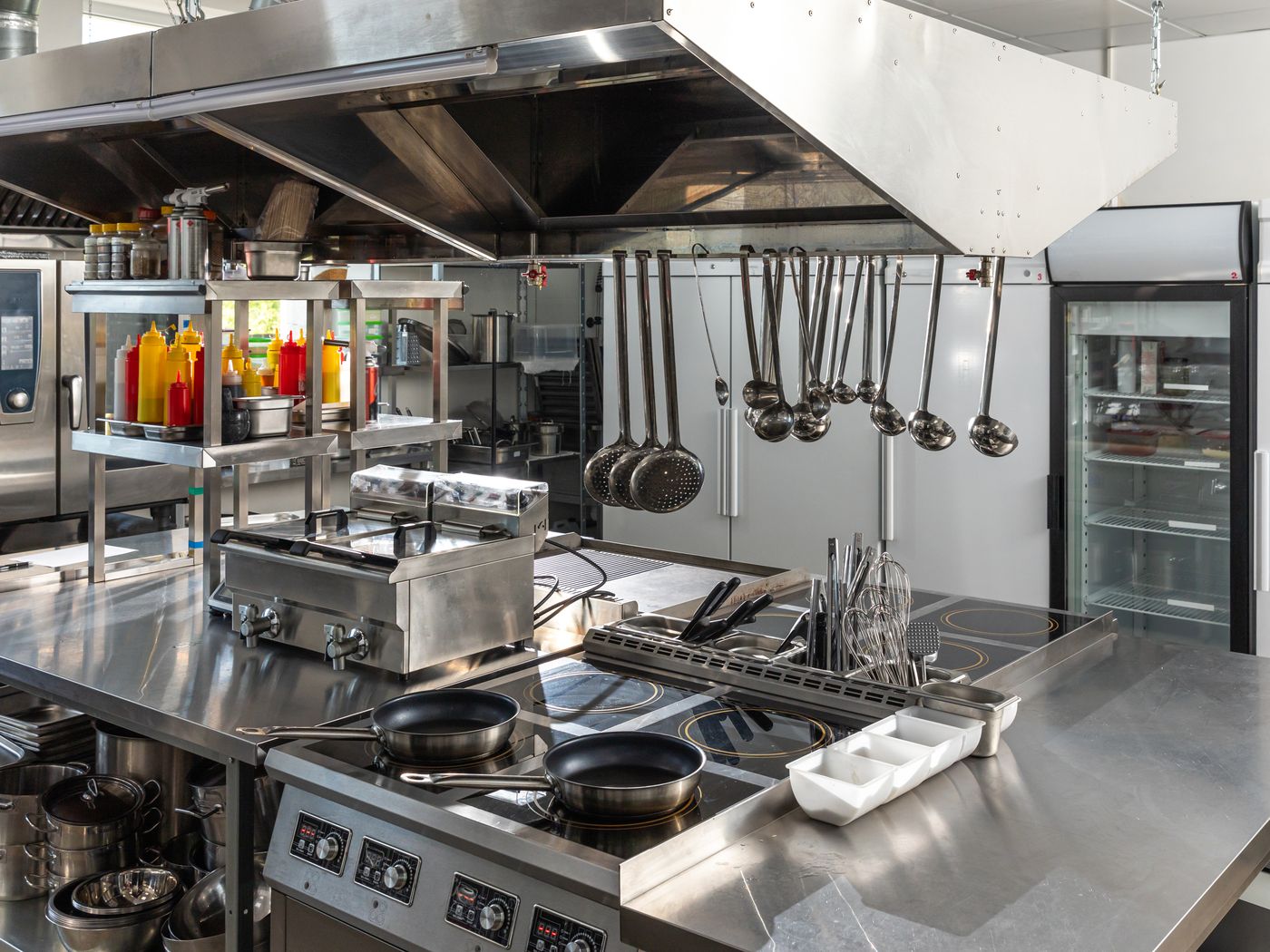
Lost revenue and continuing expenses during restoration after a covered loss. A fire closes your restaurant for three months while repairs run.
The building is only half the loss, because a business that cannot trade keeps paying rent and wages while it is shut. That half is cover for the income you lose while closed, endorsed onto this policy rather than bought separately. For smaller operations both are often bundled into the bundled alternative for smaller operations at a better combined rate.
Occupancy
Occupancy is one of the eight things a property underwriter rates on. What happens inside the building changes the peril profile, the valuation question, and often which carrier will write it at all.
Lower hazard than most occupancies, and a higher contents value per square foot than most owners assume once the technology is counted.
Whatever the occupancy, the same three binding decisions apply and the same two questions get asked first: what is the total insurable value, and when was it last updated. A schedule three years out of date is the most common reason a property claim pays less than the owner expected.

The policy responds to sudden physical loss or damage to property you own or hold. It does not respond to things wearing out, to property in transit, or to a loss with no physical damage behind it at all.
Four events, and which side of the form each one lands on:
Covered: A burst pipe floods your store overnight and ruins the stock. Sudden, physical, and either named or unexcluded depending on your form.
Not covered: The same pipe corroded slowly over eight years and finally failed. Wear and tear is a maintenance issue and no market insures maintenance.
Covered: Fire damages the roof and the HVAC plant beneath it. Building cover, valued on whichever basis you chose at binding.
Not covered: A flood from rising water. That needs a separate flood policy, NFIP or private, and it is excluded on the property form by default.
What you are paid also depends on decisions already made rather than on the loss itself. The valuation basis was chosen at binding, and so was the coinsurance percentage the carrier will measure your schedule against. Neither appears on a certificate, which is why what your contract asks the certificate to say tells a landlord almost nothing about whether you are properly insured.
The gaps
These exposures need separate policies or endorsements, and every one of them has surprised somebody at claim time. Eight that matter on a property schedule.
WHAT YOU NEED
A separate flood policy, NFIP or private. Excluded on the property form by default, including in places that have never flooded.
WHAT YOU NEED
A separate earthquake policy or endorsement. Same position as flood, and same surprise.
WHAT YOU NEED
Commercial auto. The property form stops at the building line and does not follow anything with wheels.
WHAT YOU NEED
A crime policy or fidelity bond. Theft by a stranger is covered; theft by somebody on your payroll is a different product.
WHAT YOU NEED
Nothing covers this. Gradual deterioration is a maintenance issue and no market insures maintenance at any price.
WHAT YOU NEED
Inland marine. Once property leaves the premises it leaves this policy, whatever the value on the schedule.
WHAT YOU NEED
Cyber liability. A property form insures the hardware, never what is stored on it.
WHAT YOU NEED
Workers compensation. A property policy answers for things rather than for people.
Flood and earthquake are the two most often assumed to be included and are excluded by default on almost every form. Both are placeable separately and both are cheaper to arrange before a season than during one. The other half of a serious loss is cover for the income you lose while closed, which is endorsed onto this policy rather than bought on its own.
Decided at binding
A property policy looks like a limit and a premium. In practice what you get back is decided by three choices made when the policy is written, and every one of them stays invisible until a loss makes it matter.

A named perils form lists every covered event, and if the cause of loss is not on the list it is not covered. An open perils or special form covers everything unless specifically excluded. The difference is not only breadth, it is who carries the burden of proof: on a named form you show the peril is listed, and on an open form the carrier shows it is excluded. That is a very different claim conversation, and it is settled at binding.

ACV pays replacement cost minus depreciation. Replacement cost pays what it actually costs to replace the item today. A 10-year-old HVAC system with a $25,000 replacement cost might return $10,000 to $12,000 under ACV. A 5-year-old commercial oven that cost $10,000 new might pay out $4,000. The premium difference between the two bases is small. The claim difference is not.

Most commercial property policies carry a coinsurance clause, typically 80% or 90%, requiring you to insure to at least that share of total value. Insure for less and the carrier reduces the payout proportionally, even on a partial loss. If a $1M building is insured for $600K against an $800K requirement, a $200K claim pays $150K rather than $200K. That shortfall is not a penalty for a bad claim. It is arithmetic applied on the day of the loss.
None of these three appear on a certificate and none of them show up in a price comparison, which is how two policies at the same premium turn out to be worth very different amounts. We review the total insurable value and the coinsurance position before submitting, because a schedule three years out of date is the single most common reason a property claim pays less than expected. Where the building is not yours, check the bundled alternative for smaller operations as well, since it packages the same decisions differently.
Speak to our teamSchedule check
Each line below changes what a property schedule has to carry, or how it has to be valued. Nothing here is priced and nothing here is a quote.
What the schedule has to carry
Tick what applies and the cover it implies appears here.
Bring your asset schedule and your lease to your renewal. Between those two documents you can answer six of these eight without asking anyone.
Speak to our teamCost
Property is rated on the building and on what happens inside it, so the same square footage can price very differently depending on six inputs.
The sum of building value, business personal property and anything else covered. It is the starting point for every quote, and it is the number most often out of date by the time a loss happens.
Proximity to a fire station, flood zone, coastal exposure and regional catastrophe risk all feed in, and catastrophe exposure moves a rate further than anything else on this list.
Frame buildings cost more to insure than masonry or fire-resistive construction, and older buildings with outdated electrical, plumbing or roofing cost more again.
What happens inside the building matters. A restaurant and an office in the same unit are different risks to an underwriter, and price accordingly.
Sprinklers, alarms, extinguishers and monitored security reduce the rate. This is the one input on the list you can change between now and renewal.
Recent property claims increase a premium, and a clean history is worth real money at renewal. Carriers look at frequency as closely as severity.
Three marks is an input that moves a property premium more than the others here. It is a relative weighting drawn from how carriers rate, not a rate and not a quote.
A higher deductible lowers the premium, which is a trade rather than a saving. The more consequential trade sits above it, in the valuation basis and the coinsurance percentage, where a small premium difference buys a very large claim difference. We review total insurable value and the coinsurance position before submitting, so that the number on the schedule is the number that survives contact with a loss.
Talk to an expertProcess
We understand your business first, then take it to the carriers who want to write it. An advisor walks you through the options and what they cost. No two files are the same, so what follows is the shape of a placement rather than a script.

Getting the insurable value right is what prevents a coinsurance reduction at claim time, so we go through the building value, the business personal property schedule and the coinsurance percentage before anything goes to a carrier rather than after a loss exposes it.

Admitted and E&S carriers see the same risk, and we compare form differences rather than only price: named perils against open perils, the valuation basis, the deductible structure and the coinsurance requirement, which between them decide what two identically priced policies are actually worth.

A landlord or a lender wants proof before you take occupancy, and this is how COIs get issued here. We read the request against the lease or the loan agreement so it asks the carrier for the wording that document needs.
A named perils form covers only the events it lists. An open perils or special form covers everything except what it excludes. The practical difference is who has to prove what at claim time, and that changes how a disputed claim goes.
Replacement cost minus depreciation. A ten-year-old asset pays out at ten-year-old value rather than at what it costs to buy a new one today, which is why the basis matters more than the limit on older plant.
A clause requiring you to insure to a stated share of total value, typically 80% or 90%. Insure for less and the carrier reduces even a partial-loss payout proportionally. It is arithmetic rather than a penalty.
Yes, for your contents and often for your fit-out. The landlord insures the building, not your business personal property, and improvements and betterments are frequently insured by nobody because each side assumes the other did it.
No. Flood is excluded by default on almost every commercial property form and needs a separate policy, NFIP or private. The same is true of earthquake.
Only if business income is endorsed onto the policy, and it responds to the same perils the property section covers. It is not a standalone purchase.
Before every renewal. Coinsurance is measured against value on the day of the loss rather than the day you bought the policy, and replacement costs have moved sharply enough in recent years to open a gap in three.
Commercial property covers assets at your location. Inland marine covers property in transit, at job sites, or stored off premises. Contractors usually need both and frequently carry only one.
Get started
Whether you are insuring a new location, replacing a carrier that is not performing, or updating cover after a renovation, we can move. We will tell you which peril form you are on and whether your values would survive a coinsurance check.