01The core
General liability. The one every contract names.
Third-party bodily injury, property damage and personal and advertising injury arising from your operations. The policy every contract names and the one every certificate is asked for.
A sub's ladder goes through a client's ceiling. A general contractor is named in a defect suit over work a sub finished two years ago. A shipment of materials never reaches the site. Most construction programmes are built from four or five policies rather than one, and the losses that hurt most are the ones that fall between them.
Talk to an expertGet a quote
ContinueThe programme
A construction programme is assembled, not bought. Each policy does a specific job, and the value is in whether the seams between them hold when several parties are working on one site.
Third-party bodily injury, property damage and personal and advertising injury arising from your operations. The policy every contract names and the one every certificate is asked for.
Medical costs and lost wages for employees injured on the job. Required in every state once you have staff on site, and rated directly off payroll by class code rather than by any judgement about your safety record.
Sits above general liability, auto and employers liability and responds once those limits are exhausted. On construction it is frequently a contract requirement rather than a choice, which is a different reason to buy it.
Property cover for the structure and the materials while a project is active. It is not a liability policy and it stops when the project completes, which is a date worth knowing precisely rather than approximately.
Gear that moves between sites, plus materials in transit between a supplier and the site. That second half is a gap most contractors find only when a shipment goes missing, because property cover starts at the site.
For design-build, or anywhere you specify rather than only install. A design error is not an accident, and the general liability form responds to accidents, so it does not answer advice.
Two of these travel with you rather than with the project, and they are the ones contractors most often discover a gap in. Size cover for the gear that moves between sites against what is actually on the truck, and read a layer above your primary limits as a contract requirement rather than an upgrade, because on commercial work it usually is one.
Your role
Your role on the job decides which policies carry the weight. The trades matter less than the position: a roofer and a finish carpenter have different rates, but a general contractor and a subcontractor have different programmes, and that is the larger distinction.
The broadest exposure on any site, because you are routinely named in claims involving subs you did not directly employ.
Surety bonds come up constantly in this same conversation and are a different mechanism altogether. A bond guarantees your performance to somebody else; insurance indemnifies you. They are underwritten differently, priced differently and issued by different people, and confusing the two is how a contractor arrives at a bid without what the contract actually asked for.
The exclusions that catch contractors out are rarely dramatic. They are gaps between policies rather than holes inside one, and each is really a question about which of your four or five forms is supposed to answer.
Four losses on one site, and which policy each one lands on:
Covered: A sub's ladder goes through a client's ceiling. Third-party property damage on general liability.
Not covered: The same sub walks off the job mid-project. That is subcontractor default, which needs prequalification and bonding rather than a liability policy.
Covered: A theft or a storm damages equipment at the site. Tools and equipment cover, written as inland marine.
Not covered: The same machine fails mechanically. That needs an equipment breakdown endorsement, which standard tools cover does not include.
Two more are worth naming because they stay invisible until they matter. Materials in transit between a supplier and the site need inland marine, and get overlooked until a shipment disappears. Faulty workmanship and design error are professional liability rather than general liability, because neither one is an accident. Where the gear itself is the question, size cover for the gear that moves between sites against the replacement cost of what is actually on the truck.
The gaps
These are the gaps that only surface at claim time, and most of them sit between two policies rather than inside one. Eight that matter on a construction programme.
WHAT YOU NEED
A specific endorsement added to the sub's general liability policy, confirmed before the certificate is accepted. Without it the cover ends when the job does.
WHAT YOU NEED
Subcontractor default insurance, or a prequalification and bonding process. A sub walking off is a commercial failure, not an insured loss.
WHAT YOU NEED
Professional liability, not general liability. Neither is an accident, and the general liability form responds to accidents.
WHAT YOU NEED
A specific equipment breakdown endorsement. Standard tools and equipment cover answers theft and damage, not failure.
WHAT YOU NEED
Inland marine. Property cover starts at the site and the supplier's responsibility usually ends at their loading dock.
WHAT YOU NEED
Understanding how OCIP and CCIP differ from standalone cover, before you bid rather than after you win.
WHAT YOU NEED
Arranging it deliberately. The property you are working inside is neither yours nor the project, so no form assumes it.
WHAT YOU NEED
No standard form pays to redo work you got wrong. The damage that work causes is a different question from the rework itself.
The first one on that list is the one that costs contractors the most, because it is invisible on the certificate. Standard general liability includes products and completed operations for the named insured, but additional insured status frequently does not extend to it, so the general contractor's cover for your finished work quietly ends at practical completion. That is a whole argument in itself and it belongs to how cover responds after handover rather than to this page.
The project
A trade page can tell you what your own policy does. This page exists for the part no single policy answers: what happens when four contractors, an owner and a developer are all insured separately on one site, and a claim arrives that touches more than one of them. Three seams account for most of it.

Additional insured status is what a general contractor asks for and what a subcontractor issues. What is frequently missing is the completed operations extension, which keeps that status alive after the work is finished. Standard general liability includes products and completed operations for the named insured; the additional insured endorsement often does not extend to it. So the GC is covered during the build and uncovered for the defect claim that arrives two years later, which is exactly when construction claims arrive. The endorsement form number is the whole answer, and it is readable before the certificate is accepted.
On an OCIP the owner buys cover for everyone enrolled; on a CCIP the general contractor does. Either way enrolment is the mechanism, and being on site is not the same as being enrolled. Your off-site work, your tools, your commercial auto and your completed operations after the wrap-up period ends all remain yours. Bidding a wrap-up job as though your own programme can stand down is a common and expensive misreading.
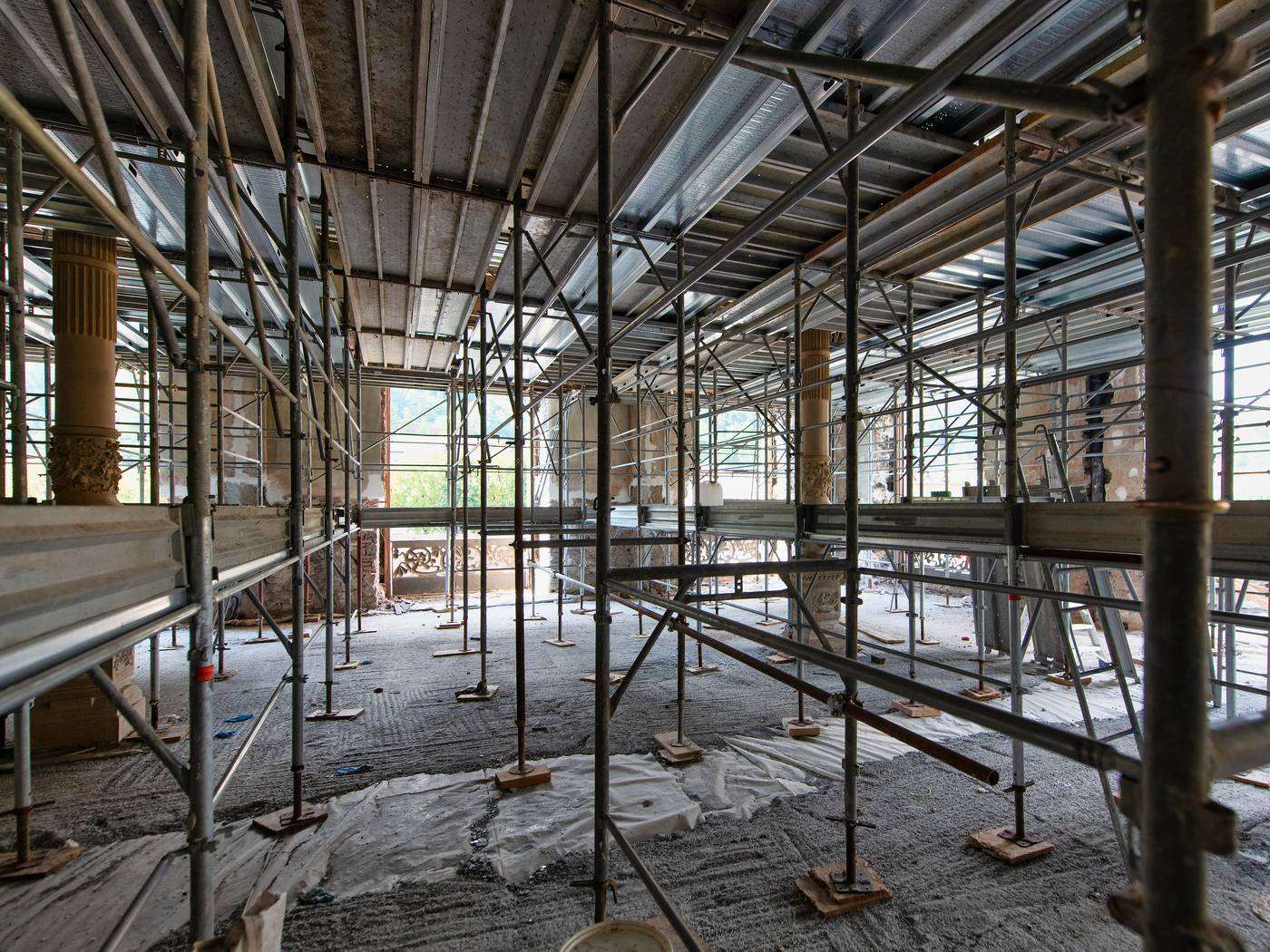
No liability policy pays for a subcontractor walking off a project. That is a performance failure rather than an accident, and the answers are commercial: prequalification, bonding, or subcontractor default insurance. General contractors who verify sub insurance and enforce additional insured requirements also underwrite more favourably, so the same discipline that protects the schedule improves the rate.
All three are contract questions before they are insurance questions, which is why they get settled at bid stage rather than at claim stage. We read the contract alongside the certificate rather than answering a certificate request from a template, and what a contract is entitled to ask for is set out in what your contract asks the certificate to say.
Speak to our teamContract check
Each line below changes what a construction programme has to carry or evidence. Nothing here is priced and nothing here is a quote.
What the programme has to carry
Tick the clauses in your contract and what they oblige you to carry appears here.
Bring the contract rather than the certificate request. The request tells you what somebody's system asked for; the contract tells you what they are entitled to ask for, and the two differ more often than they match.
Speak to our teamCost
Premium depends on factors specific to your operation rather than a flat industry rate, and on construction two of the six below are inside your control in a way that is unusual for commercial insurance.
A roofer and an interior finish carpenter carry very different injury and liability profiles, and the class code is the first thing every rate table reads.
Workers compensation is calculated directly on payroll by class code, and general liability often scales with revenue. Both are audited after the fact rather than taken on trust.
A clean loss history moves the rate meaningfully, and on construction it also decides carrier appetite rather than only price.
General contractors who verify sub insurance and enforce additional insured requirements underwrite more favourably. This is a process rather than a purchase.
Larger projects mean higher builders risk values and more liability exposure per job, and they usually bring more parties with them.
Some states and counties see higher jury awards and tighter appetite as a result. Written safety programmes and job site protocols matter more to underwriters than most contractors expect.
Three marks is an input that moves a construction premium more than the others here. It is a relative weighting drawn from how carriers rate, not a rate and not a quote.
Most contractors default to $1M per occurrence and $2M aggregate because it is the industry standard and what most contracts specify. Against a serious injury claim on a site, where awards can run into the millions, that is a floor rather than an answer. An umbrella layer is almost always cheaper than pushing the primary higher, which is why contract requirements for higher total limits are usually met that way rather than by raising the underlying policy.
Talk to an expertProcess
We understand your business first, then take it to the carriers who want to write it. An advisor walks you through the options and what they cost. No two files are the same, so what follows is the shape of a placement rather than a script.

What you do on a site, who works above and below you, your class codes and your payroll by code. Those answers decide which markets will look at the file, and on construction the class code does more work than anything else on the submission.

Appetite on construction varies sharply by trade and by whether you use subs, so the file goes to the carriers who genuinely write your class rather than to whoever quoted last renewal. An advisor explains where the forms differ from one another.

A certificate request tells you what somebody's system asked for. The contract tells you what they are entitled to ask for, and the completed operations extension is usually the difference between the two. We handle how COIs get issued so the wording matches the contract you actually signed.
Usually four or five: general liability, workers compensation, commercial auto, tools and equipment, and an umbrella, with builders risk added per project and professional liability where you design as well as build.
Property cover for the structure and the materials while a project is active. It is not liability cover, and it ends when the project completes, so the end date matters more than most contractors expect.
It extends your policy to somebody your contract names, usually the general contractor or the owner. The critical detail is whether it includes a completed operations extension, because without one it ends when the work does.
On an owner-controlled programme the owner buys cover for enrolled parties; on a contractor-controlled programme the general contractor does. Either way enrolment defines who is covered, and plenty is left outside it.
A standard commercial general liability form does, but some carriers attach an endorsement removing it. For a general contractor that endorsement is the difference between a programme and a piece of paper.
No. A bond guarantees your performance to somebody else, and you indemnify the surety if it pays out. Insurance indemnifies you. They are different products with different underwriting and different issuers.
No liability policy does. That is subcontractor default, addressed through prequalification, bonding, or a specific subcontractor default product rather than through a liability form.
Commonly $1M per occurrence and $2M aggregate, often with an umbrella above it on larger commercial work, plus additional insured status, waiver of subrogation and primary and non-contributory wording. Read the contract rather than the certificate request.
Get started
From general contractors to specialty trades, we submit across standard and E&S markets to build a programme that fits the work you actually do, and we read the contract alongside the certificate so the wording matches what you signed.