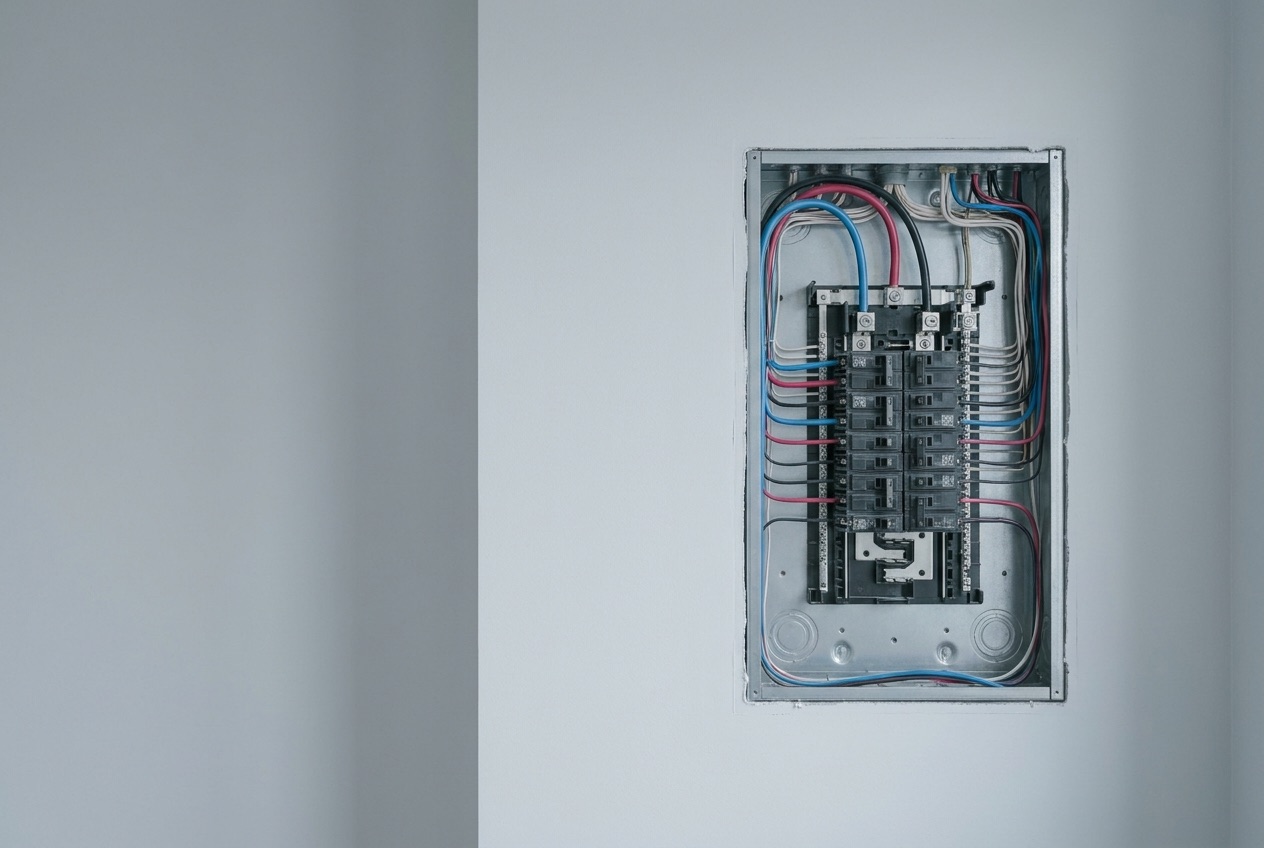
Open residential electrical panel with wiring landed on breakers

Electrician insurance

Electrician insurance combines general liability, workers compensation and contractor's equipment cover for licensed electricians. Subject to your policy terms, it typically responds to fire and faulty-wiring claims, on-site injury, and damage to a client's property caused by electrical work.

Talk to an expert

Get a quote

Continue

Core coverage

What electrician insurance covers

Two lines do the heavy lifting, and on an electrical book the first one has to keep doing it for years after the crew has packed up.

01Carries the weight

General liability. Third parties, and everything your finished work does next.

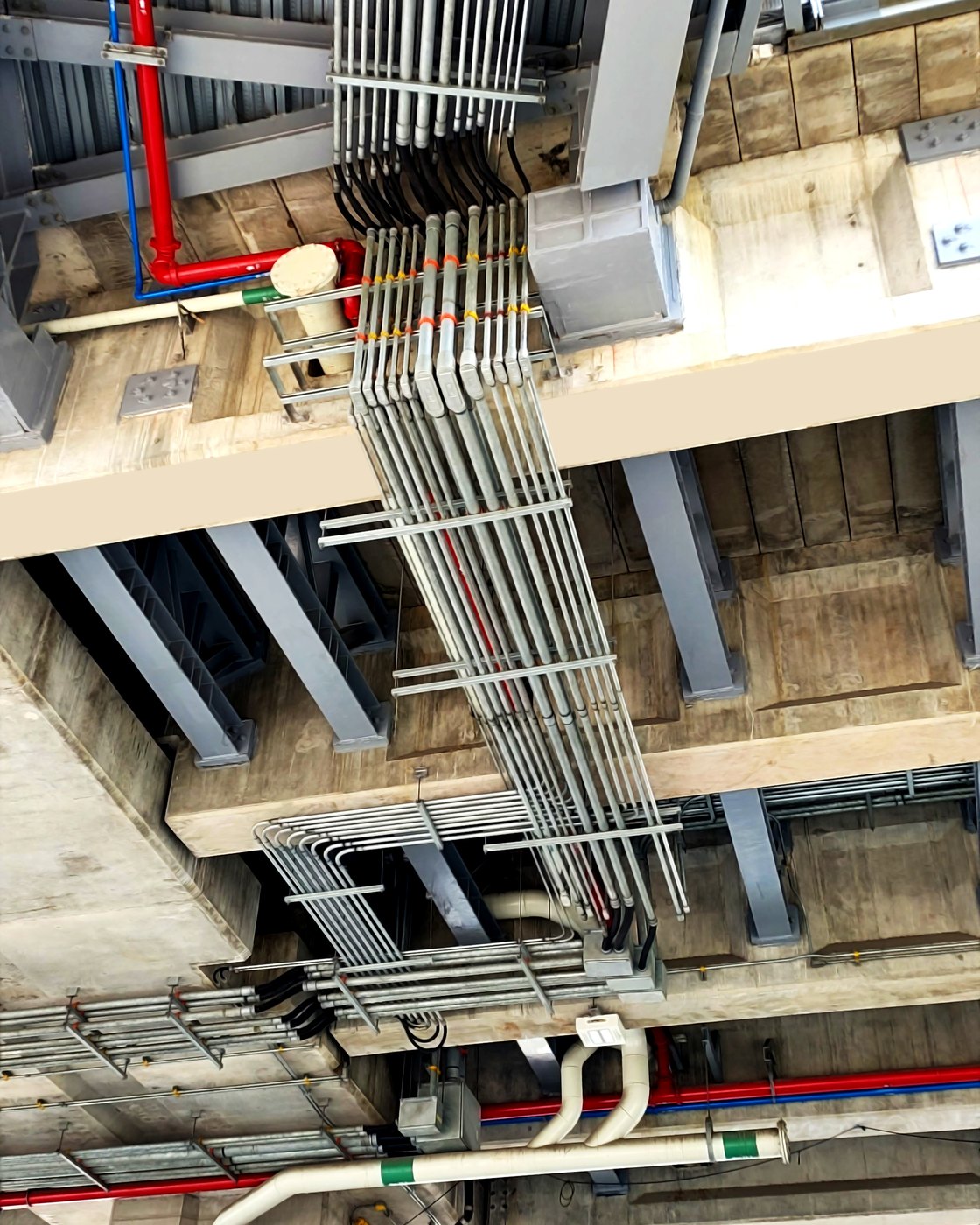
Third-party injury and property damage arising from your work, and this is the foundation of most contractor programs. For an electrician the products and completed operations half is the half that matters, because a loose termination does not fail on the day you make it.
02Carries the weight

Workers compensation. Your own crew.

Medical costs and lost wages when an electrician is hurt. Frequency sits with ladders and lacerations; severity sits with arc flash and electrocution, which is why carriers price live work separately from dead work.

03Fills a gap

Contractor's equipment

Testers, benders, cable reels, meggers and thermal cameras. Written as inland marine, because a property policy stops at the building line and most of this travels.

04Fills a gap

Commercial auto

Service vans, plus hired and non-owned auto for the apprentice collecting materials in a personal car. The second half is missing from most schedules.

05Fills a gap

Contractors errors and omissions

For design-build. The moment you size the service or lay out the circuits rather than following a drawing, you are giving advice, and general liability does not answer for advice.

06Fills a gap

Commercial umbrella

An excess layer above the general liability and auto limits. On commercial fit-out work the contract, not the risk, is usually what sets the number you need.

07Fills a gap

Commercial property or a BOP

The shop, the yard, the reels on the racks. Bundled into a business owner's policy for a smaller operation.

Equipment is the schedule that dates fastest on this trade, because test gear gets replaced quietly and rarely gets added. Our brokers reprice testers, benders and reels against a current inventory, and against the construction program above this one where you run more than one trade.

Your operation

Four electrical businesses, four different policies

Most electrical companies run several of these at once, and the mix decides the rate, the endorsements and which carriers will look at the file. Pick the closest match.

Residential service and rewire

Fault-finding, panel work and rewires in occupied homes, often on stock where you inherit somebody else's decisions. You are rarely the first electrician to touch it, and that is the underwriting problem.

What underwriters askCall volume, crew size, the age of the housing stock you work on, and whether you touch aluminium branch wiring
The claim that shows upFire traced to a termination, damage to finished surfaces, shock injury to an occupant
Endorsements it needsProducts and completed operations, care custody and control, hired and non-owned auto
Watch forYou will be blamed for the last electrician's work as readily as your own. Photograph what you found before you touch it.Talk to a broker about this

If EV or battery work has become a real share of revenue since your last renewal, the policy on file describes a business you no longer run.

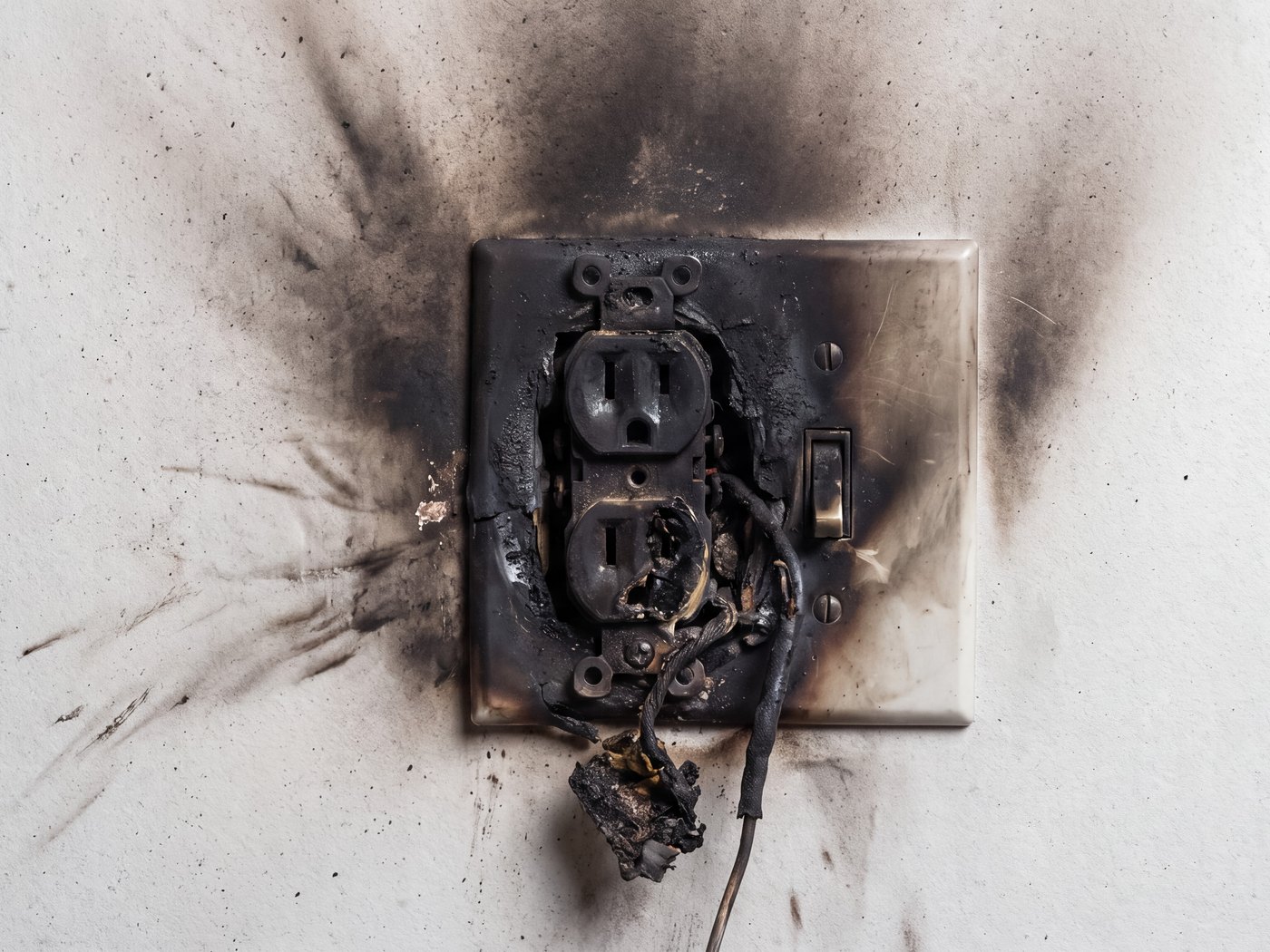
Burnt-out duplex receptacle with soot fanning up the wall around it

The fire that starts two years later

Completed operations is the whole argument on an electrical policy. A loose termination does not fail on the day you make it. It heats, and cycles, and heats, and then one night it does not stop, and the claim arrives against work you finished two winters ago.
The part almost nobody checks:

Typically covered: A fire in March, from wiring you finished in October, while your policy is in force. Subject to your terms, that is a completed operations claim.

Typically not covered: The same fire, if you let the policy lapse in January. On a standard occurrence wording, completed operations responds only when the damage occurs during an active policy period.

Typically covered: Subject to your terms, the contents and the structure the fire damaged, once the cause is traced to your work.

Typically not covered: Re-running the circuit you terminated badly. The rework is generally your cost, as it is for every trade.

Which is why continuity is worth more than a saving on this trade than on almost any other. A gap between policies, or a move to a carrier who will not pick up your prior work, quietly strands every job you have ever completed. Worth understanding why finished work still counts before you switch on price alone.

The gaps

What electrician insurance does not cover

Learning these before a claim is considerably cheaper than learning them during one. Eight that matter on an electrical schedule.

Work finished outside your policy period

WHAT YOU NEED

Continuity, and a carrier who picks up prior work. This is the gap that empties an electrician's cover without anyone noticing.

Your own workmanship

WHAT YOU NEED

Nothing closes this. Resulting damage is generally covered, the rework is not. Price it into the job.

The equipment you were working on

WHAT YOU NEED

Nothing, usually. The board you were terminating into is "that particular part", and the policy steps around it while paying for the room.

Design and specification errors

WHAT YOU NEED

Contractors errors and omissions. Sizing a service or laying out circuits is advice, and general liability does not answer for advice.

Employee injury

WHAT YOU NEED

Workers compensation. General liability answers for third parties, and your own crew is not a third party.

Anything involving a vehicle

WHAT YOU NEED

Commercial auto, plus hired and non-owned. General liability stops at the van door.

Tools from an unattended van

WHAT YOU NEED

Equipment cover with an unattended-vehicle sub-limit you have actually read. Most require forced entry and cap overnight theft well below a full van.

An uninsured subcontractor's work

WHAT YOU NEED

A certificate process you actually run. An uninsured sub's failure arrives as your claim, at your limits.

The first card is the one worth reading twice, because it is the only gap on this page that opens by doing nothing at all. Speak to our team before you move carriers, and ask about cover when a sparky is hurt while you are at it.

Code and equipment

What the 2026 code cycle changed

Two shifts in the 2026 code cycle change what an electrical contractor is expected to document once their state adopts it, and both of them eventually reach the policy. Texas adopted it on 1 September 2026.

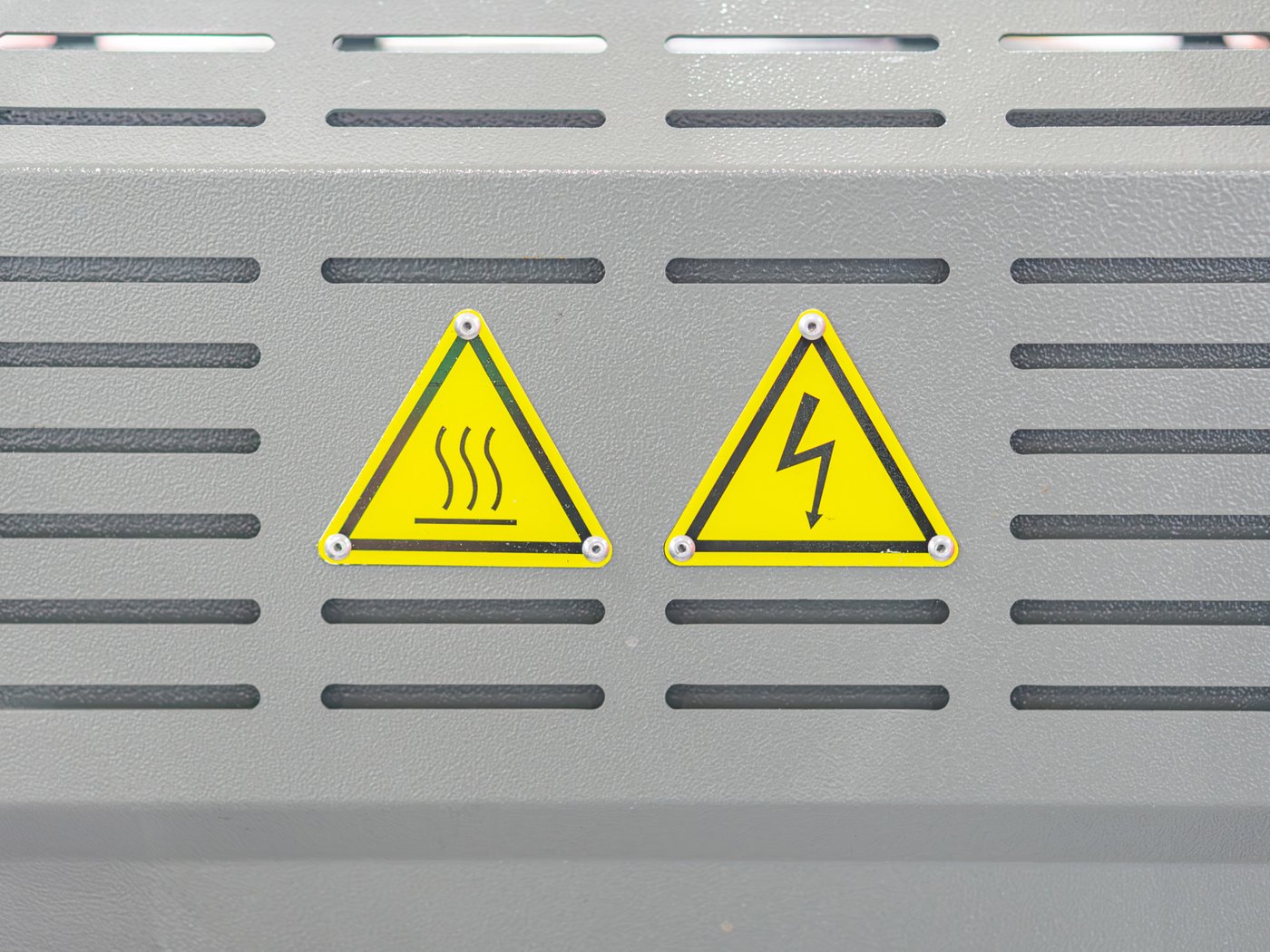
Hot surface and high voltage warning labels riveted to a ventilated grey enclosure

Arc-flash labelling reaches nearly everything

The 1,000 A threshold came out of the arc-flash marking rule, so under the 2026 code labelling extends across effectively all non-dwelling service and feeder equipment rather than the large gear alone. Switchboards, panelboards, control panels and motor control centres all fall inside it.

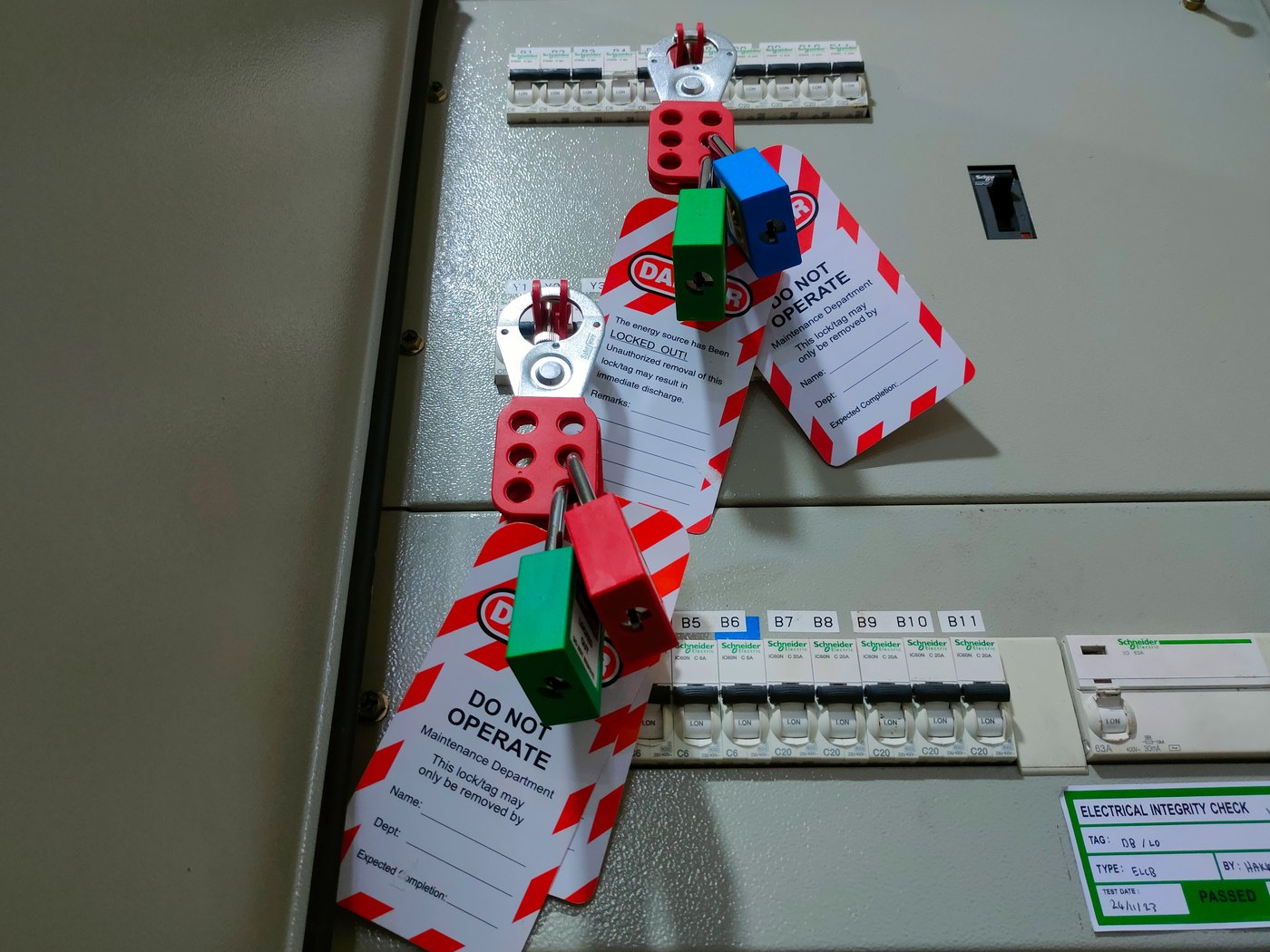
Lockout padlocks and do-not-operate tags on a switchboard, beside a dated electrical integrity check card

The label has to carry real numbers

A marking is no longer a generic warning. It carries the calculated values and the date of the study behind them, which means an assessment exists, is current, and can be produced. Underwriters increasingly ask for it, and a documented safety programme is one of the few things that moves a comp rate in your favour.

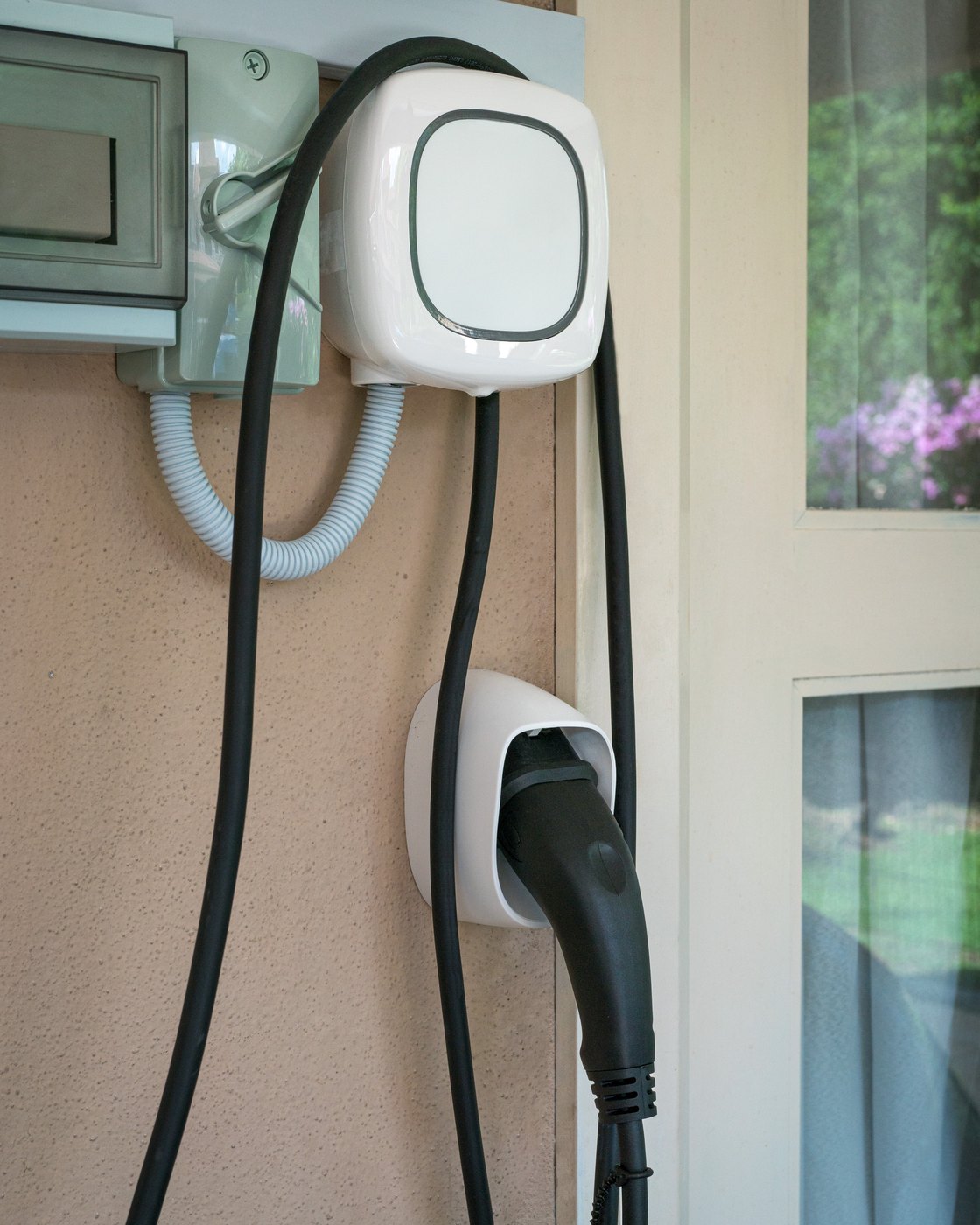
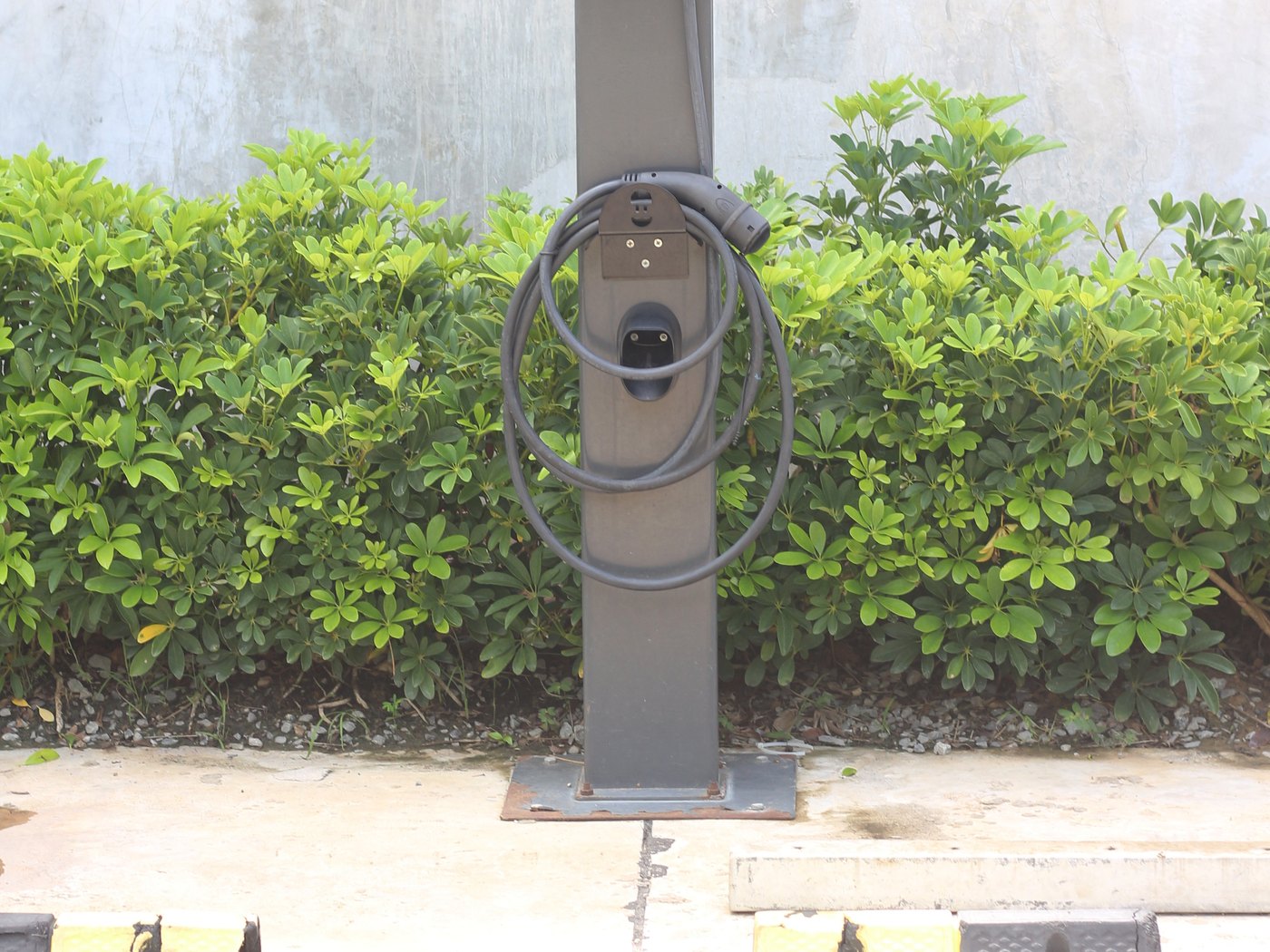
Outdoor electric vehicle charge point on its pedestal with the lead stowed

EV work tightened

Electric vehicle supply equipment picked up its own requirements around listed receptacles and ground-fault protection. If EV has become a real share of your revenue, confirm in writing that your wording contemplates it, and that it contemplates battery storage too.

None of this changes what general liability does. It changes what an underwriter expects to see in a submission, and on this trade documentation is one of the few levers you actually control. Requirements sit on top of the licence your state issues.

Speak to our team

Cover check

What does your crew actually take on?

An electrical file gets rated on what it does after the crew leaves as much as what it does on site. Every line here changes the wording. Nothing is priced and nothing is submitted.

What a submission would need to say

Nothing selected. Choose the work you take on and the wording it implies will build here.

Bring this to a renewal conversation. Most of it is a single endorsement, and continuity questions are far cheaper to settle before a policy lapses than after a fire.

Speak to our team

Cost

How much does electrician insurance cost?

There is no flat answer, and a figure quoted without seeing the operation is a guess with a price on it. Six inputs move an electrical premium more than the rest.

01

Payroll and workers comp class code

The largest single driver. Electrical carries its own class code and it is not a cheap one, because the severity tail on this trade is electrocution rather than a strain.

Effect on premium
02

Your completed operations exposure

How much finished work is out there, and how long it has been out there. On this trade the back catalogue is a live exposure, and an underwriter prices it.

Effect on premium
03

Commercial versus residential split

Commercial fit-out brings higher contract values and higher required limits. Carriers ask for the percentage and check it at audit.

Effect on premium
04

Live work and arc flash exposure

Whether you work energised, and what you can evidence about how you control it. This is one of the few inputs a contractor can genuinely improve.

Effect on premium
05

Claims history and experience modifier

Three years of loss runs and the modifier that comes out of them. One fire traced to your work will outweigh a decade of clean years.

Effect on premium
06

Limits and required endorsements

The completed operations additional insured form, waiver wording, the umbrella layer your contracts demand. Each one is priced.

Effect on premium

Three marks is an input that moves an electrical premium more than the others listed here. It is a relative weighting drawn from how these behave on this trade, not a rate and not a quote.

So what does that add up to?

Comp is largely settled by payroll and class code before an underwriter looks at you. Liability is where the shape of the business shows, and on an electrical book the finished work behind you moves it as much as the work in front of you. Request a quote and we will come back with what the market offers against your real exposure.

Talk to an expert

Process

How a placement works

We understand your business first, then take it to the carriers who want to write it. An advisor walks you through the options and what they cost. No two files are the same, so what follows is the shape of a placement rather than a script.

  1. Loss runs and a payroll schedule spread on a desk beside a calculator and laptop

    We understand the business first

    What you do, where, with how many people, and what your contracts oblige you to carry. Those answers decide which markets will look at the file at all, and how much of the rest of this applies to you.

  2. Brokerage desk with a monitor in morning light

    We match it to the carriers who want to write it

    One set of information goes to underwriters with genuine appetite for your work rather than whoever happened to quote last renewal. An advisor talks you through what comes back and what it costs.

  3. Stamped certificate on a clipboard with a pen and a magnifier

    After bind, certificates checked against the wording the contract asks for

    A main contractor wants proof before your crew can start, and this is how COIs get issued here. We read the certificate request against your contract so it asks the carrier for the wording that contract needs rather than a generic form that usually fails review.

No federal statute says so, and yet you cannot really trade without it. The licence comes first: most states licence electrical work at state level and the rest leave it to the city or county, and boards generally want evidence of cover attached to the application. Then the contracts. Workers compensation sits under a different rule again, required in every state but Texas, where it is elective for private employers but still required on public building and construction contracts.

Most contractors misjudge the split between the liability side and comp, because the severity on this trade is electrocution. What actually decides it is payroll, the class code, how much energised work you take, and how much finished work sits behind you. We would rather ask than publish a figure that describes nobody.

It is the part of a general liability policy that answers for damage caused by work you have already finished. On an electrical book it is the most important part of the policy, because a termination that fails does so months or years after you left. It is also the part with a condition attached, which the next answer covers.

Only if a policy is in force when the damage happens, and only if that policy picks up your prior work. Completed operations responds during an active policy period, so a lapse or a badly handled switch can strand everything you have ever finished. Raise prior work explicitly before you move, not after.

On most commercial jobs, an additional insured form that includes completed operations rather than ongoing operations alone, usually alongside a waiver of subrogation and primary and non-contributory wording. A certificate carrying only the ongoing-operations form will typically fail review. Read the contract rather than the certificate request.

Generally yes. The moment you size a service, lay out circuits or specify equipment rather than following someone else's drawing, you are giving professional advice. General liability does not respond to advice, and contractors errors and omissions is what fills that gap.

It depends on the wording, and this is worth checking specifically rather than assuming. Some policies contemplate electric vehicle supply equipment and stored energy comfortably; others were written before either was common work. Confirm your position in writing before the first install.

Often you can exempt yourself, and on a one-person business that is a legitimate call. Two things tend to reverse it. Main contractors ask for comp whether or not your state does, and the day you put an apprentice on the tools their injury becomes your problem rather than theirs.

Get started

Cover that follows the work, not just the crew.

Tell us what you install and how far back the finished jobs go. We will go to market for terms that address your completed work.

  • Certificates checked against your contract
  • 100+ carrier portals
  • Completed operations raised on every submission
Lit corridor of flush metal wall panels running away down a concrete floor
Export Design
Download files for your developer
General
WordPress Builders