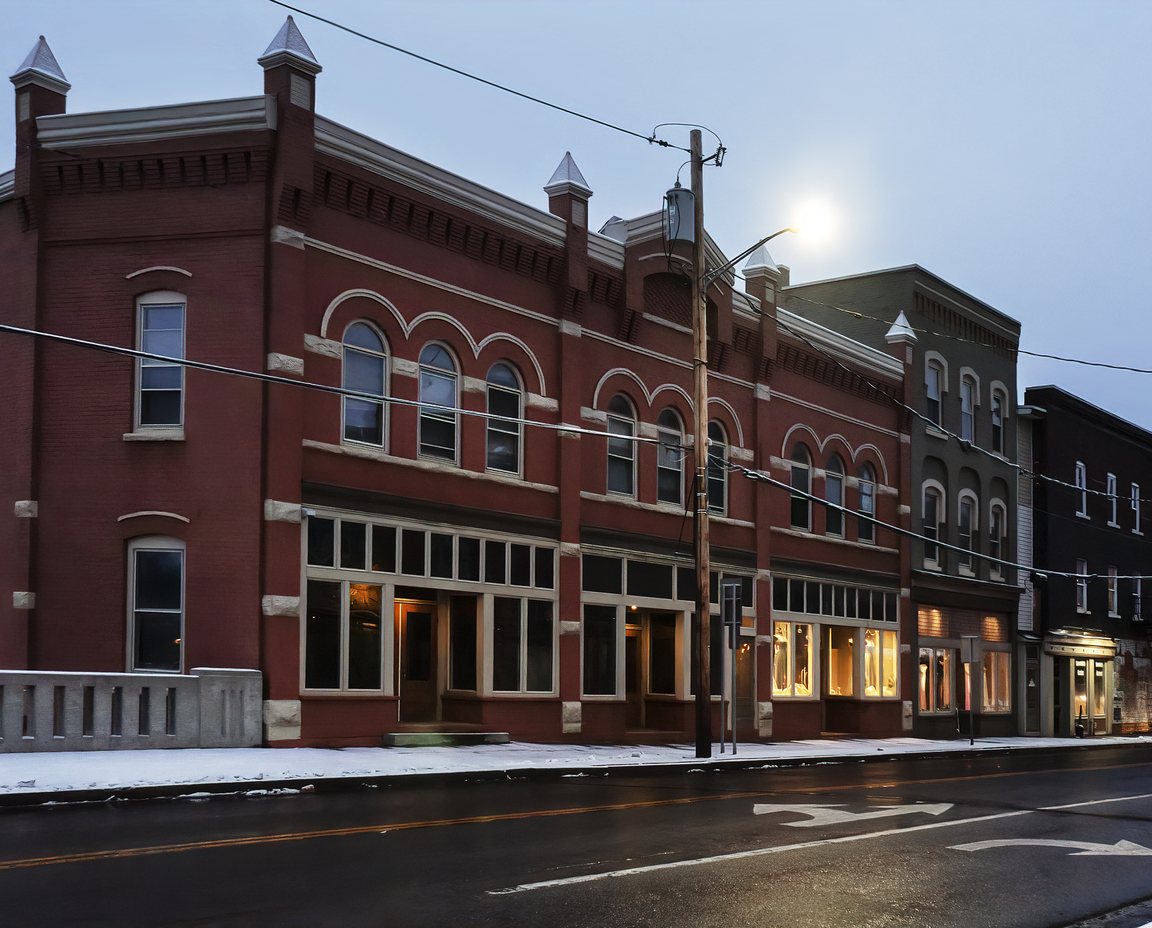





Row of shopfronts under awnings on a cobbled riverside street at dusk, lamps lit and nobody about

Industries we serve

Specialists shaped to your industry. A plumber, a bar owner and an accountant can all buy something called general liability, and it will fail each of them in a different place. Every page below starts from the work itself and names the gap that trade's standard policy handles worst.

Talk to an expert

Get a quote

Continue

Twelve industries

Find the page written for your work

Each of these is its own page, built around the exposure that decides how that industry is underwritten, and grouped by where the work puts you when something goes wrong.

Not listed? Most businesses sit close to one of these, and the policies underneath them are the same set. If you would rather start from the policy than the industry, the business insurance guide works the other way round: it begins with what you are buying and routes back here.

Route by the work

Four places a loss can happen

The industry name on a policy matters less than where the work puts you when something goes wrong. Every industry page on this site sits in one of four places, and each is underwritten from a different first question.

Work done on somebody else's property

Seven of the twelve pages. The crew and the van leave at the end of the day, and the liability stays behind in the building.

What underwriters ask firstWhat you install against what you service, whether you use subs, and whose contracts name you
The claim that arrivesDamage to the customer's building, often found long after the job was signed off
Watch forThe certificate a customer or a general contractor asks for is where most of these files are won or lost. Read the contract behind the request, not just the request.Talk to a broker about this

Some businesses straddle two. A landscaper who plows commercial lots in winter, a restaurant with a delivery van, a contractor who designs as well as builds. Those files are placed on the main operation with the second added on purpose, never assumed to be included.

Clipboard holding a printed contract on a desk between a white cup and a pot of pencils

Why the policy name is not the policy

Two businesses can each hold general liability with the same limits and the same words on the declarations page and have very different cover. The form underneath is shared; the class code, endorsements and exclusions on top of it are not.

Four losses, each checked against a standard general liability form:

Covered: A diner trips over a mat in a restaurant dining room. Bodily injury on the premises is the core of the form.

Not covered: A customer's car is scraped on a repair shop's lift. Property in your care is excluded, and garagekeepers is what answers it.

Covered: A plumber's fitting fails and water reaches the unit below. Third-party property damage arising from your operations.

Not covered: A consultant's advice costs a client a contract. Financial loss from advice is professional liability, because it is not an accident.

None of that is a flaw in general liability; it is doing the job it was written for. The gaps sit where an industry's work reaches past that job, and each page in the directory names its own. For the policy side of the same question, what general liability leaves to other policies sets it out line by line.

Across industries

Eight gaps that follow the work

Each one is a standard exclusion or limit that a particular kind of work runs into. The industry that meets it most often is named on the card.

Pollution from the work itself

WHAT YOU NEED

Contractors pollution cover. Refrigerant, sewage and spray drift all count as pollutants to a general liability form. HVAC, plumbing and landscaping.

Finished work that fails later

WHAT YOU NEED

Completed operations written to outlast the job, and additional insured status that reaches it. Electrical and construction.

A customer's property in your care

WHAT YOU NEED

Garagekeepers or bailee cover. General liability will not pay for property you are holding for somebody else. Auto repair.

Injury after a drink was served

WHAT YOU NEED

Liquor liability. General liability excludes it for any business that sells or serves alcohol. Bars and restaurants.

A fight on the premises

WHAT YOU NEED

Assault and battery cover, which many hospitality forms exclude outright or cap at a fraction of the main limit. Bars.

Advice that turns out wrong

WHAT YOU NEED

Professional liability. An error of judgement is not an accident, so the general liability form does not respond. Professional services.

Work past a licence threshold

WHAT YOU NEED

A licence that matches the job. Cover written for handyman work can fall away on work a state reserves for licensed contractors. Handyman.

Equipment away from your address

WHAT YOU NEED

Inland marine for tools and equipment. Commercial property usually stops at the premises it is written for. Landscaping and construction.

Most businesses meet two or three of these, and the check further down this page sorts which. Where the gap is the gear rather than the liability, cover for tools that leave the premises is the page to read next.

The pattern

Every gap takes one of three shapes

Whatever the industry, the gap in a standard programme takes one of three shapes, and knowing which one you are looking at tells you what closes it: an endorsement, a longer view of time, or a separate policy.

Row of outdoor air conditioning condenser units on a flat roof against a clear sky

Excluded outright

The standard form names the exposure and takes it out. Refrigerant released on an HVAC job, sewage on a plumbing call, a fight at a bar. The answer is an endorsement or a companion policy written for exactly that, and it has to be on the policy before the loss rather than argued for after it. These are the easiest gaps to close and the most common to discover at claim time, because the exclusion lives in the form and never appears on a certificate.
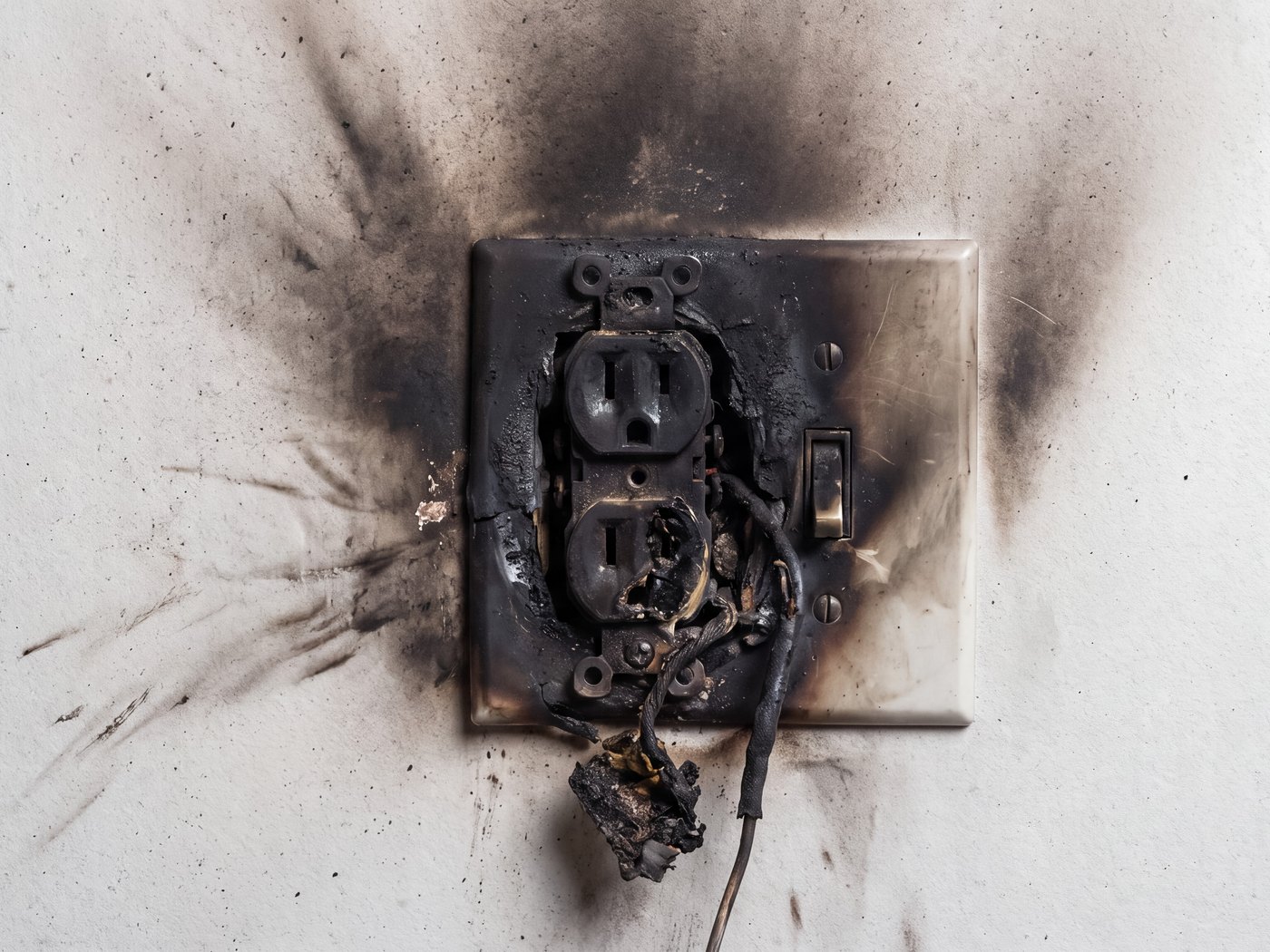

Burnt-out duplex receptacle with soot fanning up the wall around it

Arriving years late

The job was finished, invoiced and forgotten, and the claim arrives anyway. A fire traced to a panel fitted three years earlier, a slow leak behind a closed wall, a defect found when the house is sold. What answers depends on completed operations cover, on whether a policy was in force when the damage happened, and on whether anyone's additional insured status survived the end of the job. Electrical and remodeling work lives here more than most.

Empty bar with a timber high table and stools against a tiled wall

Needing a policy of its own

Some exposures are not holes in general liability at all, because they were never its job. A drink served before a crash, advice a client relied on, freight on a trailer, a customer's car on your lift. Each has its own policy with its own rating, and adding it late is how a business ends up underinsured on the one exposure its industry is known for.

Every industry page here is organised around the shape its work meets most often. The document all three shapes end up on is the certificate, and what a contract may fairly ask one to show is set out in what a certificate can and cannot prove.

Speak to our team

Quick check

Tick what your business actually does

Industry is a shortcut. What decides a programme is the activity, and most businesses do three or four of these in a normal week. Nothing here is priced and nothing here is a quote.

What that adds to the programme

Pick the activities that describe a normal week and the cover each one brings with it appears here.

Bring this list to the first conversation. It is the same set of questions an underwriter works through, in roughly the order they ask them.

Speak to our team

Cost

What moves the premium in any industry

No industry has a flat rate. Six inputs do most of the work on every file we place, and the industry mostly decides which of them weighs heaviest.

01

Class code

The classification your operation is rated under. It sets the base rate before anything particular to you is read, and a wrong one costs money in either direction.

Effect on premium
02

The exposure base

What the rate is multiplied by: payroll for workers compensation, revenue or payroll for liability, power units for a trucking fleet. Most are audited after the policy year ends.

Effect on premium
03

Loss history

Three to five years of loss runs. On most files it moves the price, and on some it decides whether a carrier will quote the file at all.

Effect on premium
04

Where the work happens

State and county change both the law and the size of jury awards, and some industries price very differently a single state line away.

Effect on premium
05

Hours and occupancy

For a premises business, when you are open and how full the room gets. A late licence and a crowded floor rate differently from a lunch trade.

Effect on premium
06

What your contracts demand

Limits, additional insureds and waivers your customers require. They set a floor under the programme whatever the risk alone would call for.

Effect on premium

The marks are a relative weighting of how much each input tends to move a premium across the industries on this site. They are not a rate and not a quote.

The industry is a starting point, not a price

Two businesses in the same industry can land a long way apart once payroll, history and contracts are read, and two in different industries can land close together. That is why we ask about the work before the policy, and why a number only means something once a carrier has seen the whole file.

Talk to an expert

Process

How a placement works

We understand your business first, then take it to the carriers who want to write it. An advisor walks you through the options and what they cost. No two files are the same, so what follows is the shape of a placement rather than a script.

  1. Loss runs and a payroll schedule spread on a desk beside a calculator and laptop

    We understand the business first

    What you do, where, with how many people, and what your contracts oblige you to carry. Those answers decide which markets will look at the file at all, and how much of the rest of this applies to you.

  2. Brokerage desk with a monitor in morning light

    We match it to the carriers who want to write it

    One set of information goes to underwriters with genuine appetite for your work rather than whoever happened to quote last renewal. An advisor talks you through what comes back and what it costs.

  3. Stamped certificate on a clipboard with a pen and a magnifier

    After bind, certificates checked against the wording the contract asks for

    A main contractor wants proof before your crew can start, and this is how COIs get issued here. We read the certificate request against your contract so it asks the carrier for the wording that contract needs rather than a generic form that usually fails review.

Yes. The twelve pages here are where we write the most, not the limit of what we place. Most businesses sit close to one of them, and the policies underneath are the same set.

Usually you need standard policies with the right endorsements for your work, plus one or two that your industry needs and others do not. Each industry page names which. What is attached to a policy matters more than its name.

For a small, low-hazard business it can be. Several industries on this list fall outside a BOP's eligibility rules, or need cover the package does not include, so it is worth checking before you rely on one.

It is placed on the main operation, with the second declared and covered on purpose. An undeclared side activity is one of the most common reasons a claim gets questioned.

Because the class code and the exclusions follow the activity, not the business name. Describing the work accurately at the start is what keeps a claim from being disputed later.

More than anything else on the file. Carriers have appetite for some classes and none for others, which is why a submission goes to the markets that write your work rather than to a fixed panel.

Once you have employees it is required in almost every state, whatever the industry. Texas is the main exception, and opting out there still leaves an employer open to being sued directly.

If you work for other businesses, almost certainly. General contractors, landlords, venues and shippers ask for one routinely, and the contract behind the request decides what it has to show.

Get started

Meet the new standard for risk management

Whatever the industry, we start with the work you actually do, then take the file to the carriers who want to write it. An advisor explains what comes back and what it costs.

  • Twelve industries with a page of their own
  • 100+ carrier portals
  • Standard and E&S markets
Red brick main street storefronts at dusk after light snow, windows lit and the street empty
Export Design
Download files for your developer
General
WordPress Builders