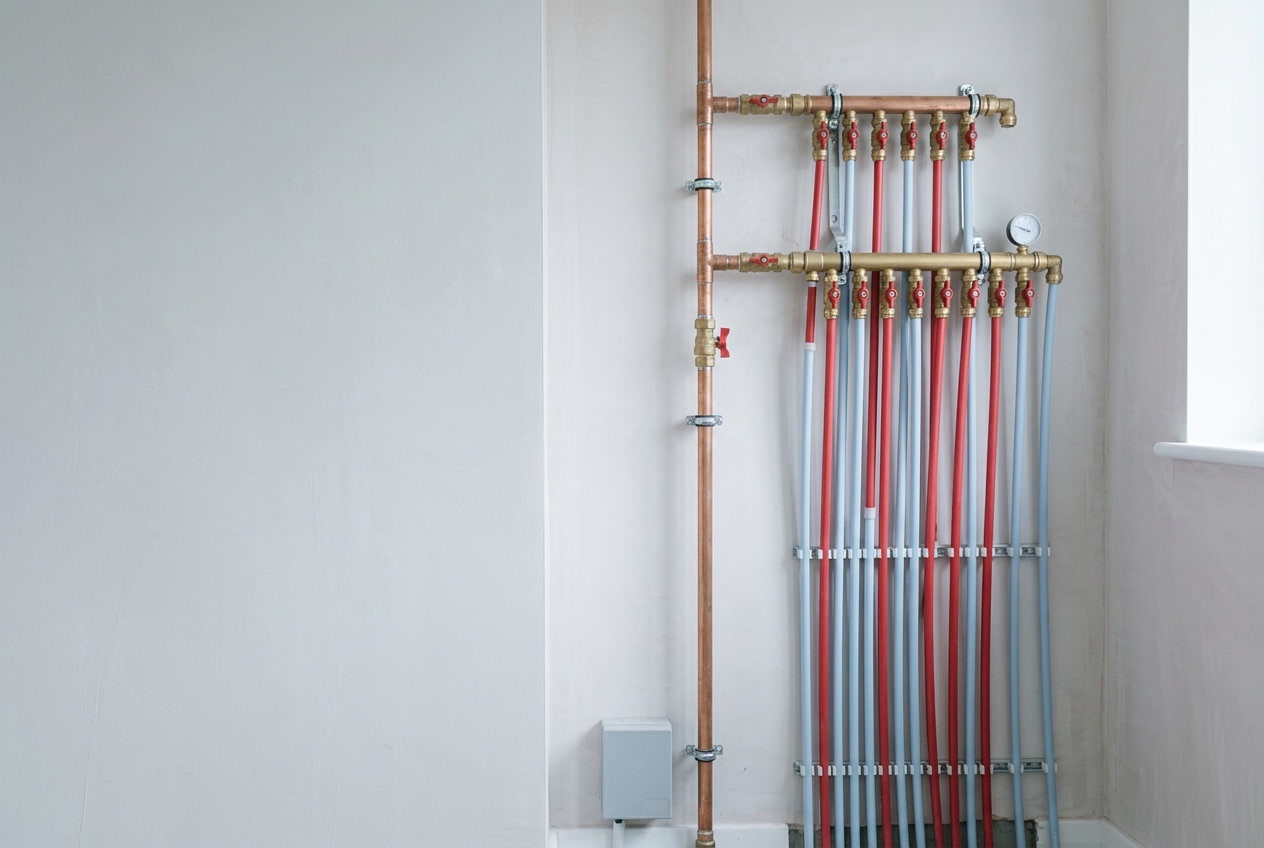
Copper supply lines and a pressure gauge on a plant room manifold

Plumbing insurance

Plumbing insurance covers general liability for water damage and third-party injury, workers compensation for employees, commercial auto for service vans, and tools and equipment cover. Most plumbing contracts and licence boards require proof of general liability before work can start.

Talk to an expert

Get a quote

Continue

Core coverage

What plumbing insurance covers

Two coverages carry the weight, and on a plumbing book the first one is doing more work than it does for almost any other trade.

01Carries the weight

General liability. The building around your work, once water gets into it.

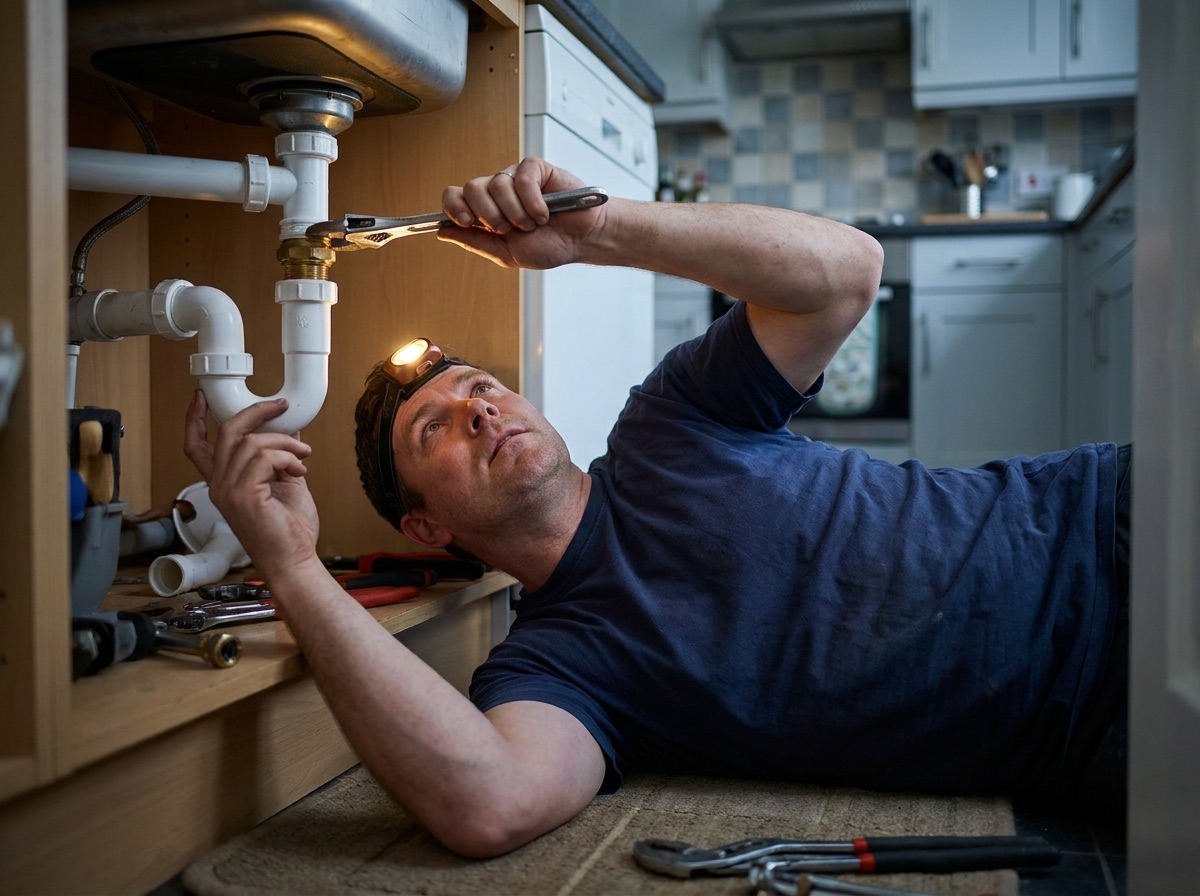
Third-party bodily injury and property damage arising from your work. A fitting that lets go behind a wall, a trap that overflows into the unit below, a customer who slips on a wet floor you left. On a plumbing book this is where the severity lives, because water travels.
02Carries the weight

Workers compensation. Your own crew.

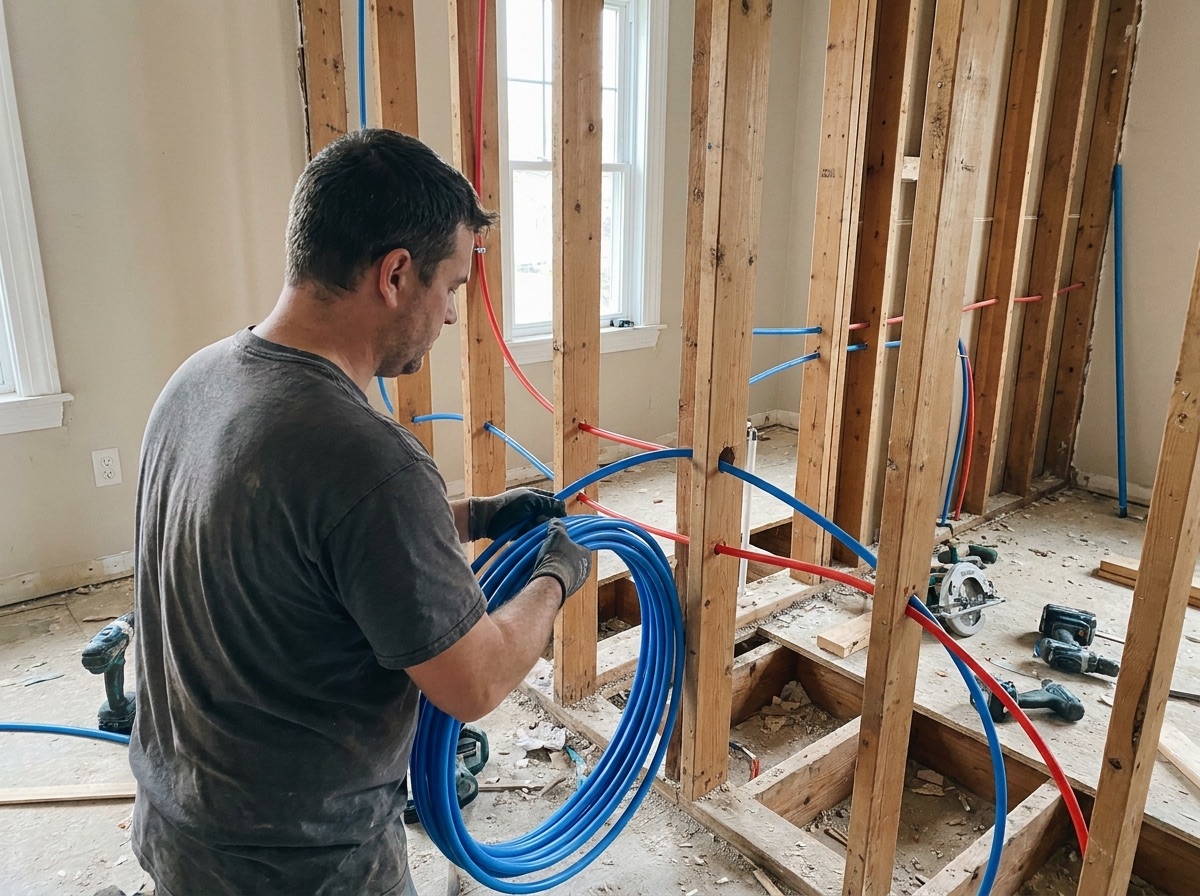
Medical costs and lost wages when a plumber is hurt on the job. The frequency sits with strains, cuts and burns from soldering; the severity sits with trench work and confined spaces. Your class code, not your safety record, sets the opening rate.

03Fills a gap

Contractor's equipment

Jetters, drain cameras, press tools, threading machines and locators. Written as inland marine, because a property policy stops at the building line and most of this lives in a van.

04Fills a gap

Commercial auto

Service vans, plus hired and non-owned auto for the apprentice who collects parts in a personal car. That second half is missed on most schedules.

05Fills a gap

Contractor's pollution liability

The endorsement that puts sewage, contaminated water and lead back inside the policy. For a plumber this is not an optional extra, and the exclusions section explains why.

06Fills a gap

Care, custody and control

The water heater you removed, the fixtures stacked in the garage, the building you were left the keys to. General liability steps back once property is in your keeping.

07Fills a gap

Commercial property or a BOP

The shop, the yard, the fittings on the racks. Bundled into a business owner's policy for a smaller operation.

Equipment is the schedule that ages worst. A jetter and a camera can be a third of what is in the van, and neither tends to get added when it is bought. Our brokers reprice jetters, cameras and press tools against a current inventory rather than last year's number, and against the rest of your construction cover where you run more than one trade.

Your operation

Four plumbing businesses, four different policies

Most plumbing companies run more than one of these, and the mix decides both the rate and which endorsements have to be on the schedule. Pick the closest match.

Residential service and repair

High call volume, small tickets, and your plumbers inside occupied homes every day. The exposure is rarely the fitting. It is the finished room the fitting sits above.

What underwriters askCall volume, number of plumbers, and how much of the work is inside occupied homes
The claim that shows upEscape of water into finished surfaces, a slip on a wet floor, damage to a customer's belongings
Endorsements it needsCare custody and control, pollution liability, hired and non-owned auto
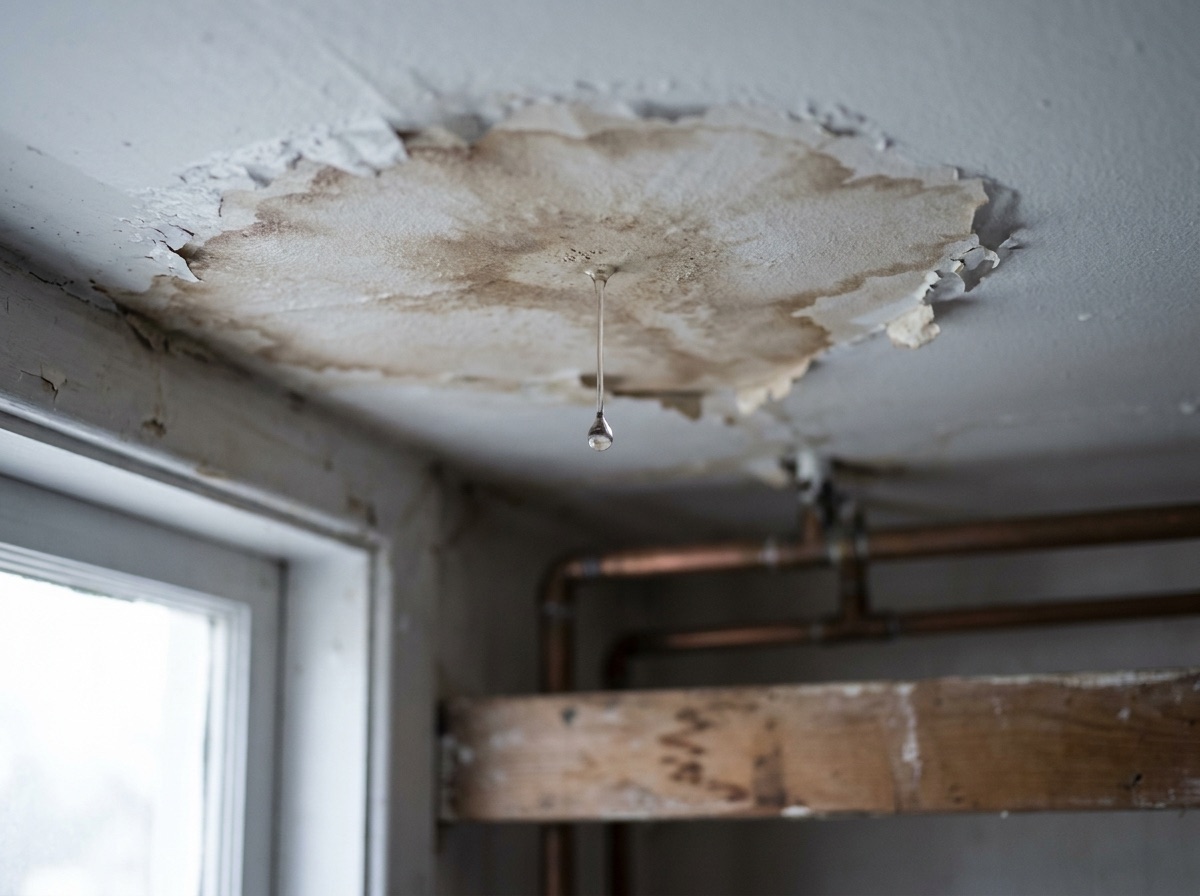
Watch forA small leak found late is a large claim. The repair is your cost; the ceiling, the cabinets and the floor below are the claim.Talk to a broker about this

If the share of sewer and drain work has grown since your last renewal, your policy is almost certainly still rated on the old mix. That is a conversation for before the anniversary.

Soldered copper joint on a run of pipe behind an opened wall

Which water damage is actually yours

This is the part that decides plumbing claims, and it is not on the exclusions list. General liability pays for the damage your work causes to other property. It does not pay to put your own work right. Insurers call the second half the "that particular part" exclusion, and it is the sentence most plumbers meet for the first time in a claim letter.

Where the line falls, in practice:

Not covered: The joint you soldered badly. Cutting it out and redoing it is your cost, every time.

Covered: The ceiling, cabinets and flooring that joint soaked on its way down. Subject to your policy terms, that is third-party property damage.

Not covered: Re-running the repipe you routed wrong, because the pipework is the work itself.

Covered: The downstairs neighbour's apartment, once your line let go through their ceiling.

Timing decides the rest. A soldered joint that fails eighteen months later is not a job-site claim, it is a completed operations claim, and it lands against a separate aggregate from your per-occurrence limit. On a busy service book that aggregate is the one that quietly empties. Worth understanding claims that arrive after the job closed before you assume finished work is behind you.

The gaps

What plumbing insurance does not cover

Knowing these before a claim is considerably more useful than learning them during one. Eight that matter on a plumbing schedule.

Your own workmanship

WHAT YOU NEED

Nothing closes this. Resulting damage is generally covered, the rework is not. Price rework into the job.

Sewage backup

WHAT YOU NEED

Contractor's pollution liability. A backup is a water claim and a pollution claim at the same time, and the pollution exclusion means only the endorsement responds.

Mould

WHAT YOU NEED

A mould buy-back where a carrier offers one. Mould follows water, and a near-universal exclusion follows mould.

Backflow and cross-connection

WHAT YOU NEED

Pollution liability plus your testing records. Contaminating a potable supply can reach an entire building or beyond it.

Damage to that particular part

WHAT YOU NEED

Nothing. This is the exclusion above stated in policy language, and it is the one worth reading in your own wording.

Employee injury

WHAT YOU NEED

Workers compensation. General liability answers for third parties, and your own crew is not a third party.

Anything involving a vehicle

WHAT YOU NEED

Commercial auto, plus hired and non-owned. General liability stops at the van door.

Underground utility strikes

WHAT YOU NEED

An exclusion buy-back if you dig at all. Most policies exclude damage to underground services unless it is bought back.

Sewage, mould and backflow are the three that separate a plumbing placement from a general contractor's, and all three route back to the same pollution exclusion. Every one of them is cheap to fix at quote stage. Speak to our team about which of them your work actually reaches, and about cover for an injured crew member if you are carrying staff.

Lead service lines

What the lead service line rule changed

The EPA's Lead and Copper Rule Improvements put a national deadline on work that lands on licensed plumbers. Three things changed, and only one of them is about pipe.

Soldered copper joint on a run of pipe behind an opened wall

There is now a date

The EPA finalised the Lead and Copper Rule Improvements on 30 October 2024, effective 30 December 2024. Water systems have to publish a lead service line replacement plan by 1 November 2027, and a ten-year replacement programme starts from there.

Copper supply lines and a pressure gauge on a plant room manifold

The work arrives at your door

Replacement volume at that scale is executed by licensed plumbing contractors, much of it in older housing stock. If your revenue mix shifts toward service line work, the policy that was rated on service and repair no longer describes the business.

Exposed pipework rising through the service riser of a commercial building

Lead is a pollutant

That matters more than the plumbing does. A lead exposure claim is a pollution claim, so the same exclusion that catches sewage catches this. Confirm in writing what your wording says about lead disturbance before you take the work, not after.

None of this changes what general liability does. It changes which endorsements have to be on the schedule and which carriers will write you once lead work is a real share of your revenue. Requirements also sit on top of what your state licence board expects.

Speak to our team

Scope check

Which of these does your crew do?

A standard contractor wording assumes dry work. Nearly every line below is a reason a plumbing file needs something added to it. Nothing here is priced and nothing is submitted.

Gaps this opens in a standard wording

Nothing ticked yet. Choose the work your crew actually does and the gaps will list here.

Print this before your renewal meeting. Most of these are a single endorsement, and all of them are cheaper to add at quote stage than to argue at claim stage.

Speak to our team

Cost

How much does plumbing insurance cost?

There is no flat answer, and a number quoted without seeing the operation is a guess wearing a price tag. Six inputs move a plumbing premium more than the rest.

01

Payroll and workers comp class code

The largest single driver. Plumbing carries its own class code, distinct from HVAC and from sheet metal, and a business running both trades under one code is usually paying for the wrong one.

Effect on premium
02

How much sewer and drain work you do

The share that involves sewage moves the liability appetite more than any other single answer, because it moves the claim from water into pollution.

Effect on premium
03

Your revenue split

New construction rates differently from service and repair. Carriers ask for the percentage, and they check it at audit.

Effect on premium
04

Vehicles and radius

Van count, radius, and what stays in the van overnight. On a wet trade the contents are often worth more than the vehicle, and the two are rated separately.

Effect on premium
05

Claims history and experience modifier

Three years of loss runs and the modifier that falls out of them. On a trade where one escape of water can be six figures, a clean history is worth more here than almost anywhere.

Effect on premium
06

Limits and required endorsements

The pollution endorsement, the equipment schedule, the additional insured and waiver wording your builders demand. Each one is priced.

Effect on premium

Three marks is an input that moves a plumbing premium more than the others listed here. It is a relative weighting drawn from how these behave on a wet trade, not a rate and not a quote.

So what does that add up to?

Your comp premium is largely settled by payroll and class code before an underwriter looks at you. Your liability premium is where the shape of the business shows through, and on a plumbing book the sewer share moves it further than anything else. Request a quote and we will come back with real numbers against your real exposure.

Talk to an expert

Process

How a placement works

We understand your business first, then take it to the carriers who want to write it. An advisor walks you through the options and what they cost. No two files are the same, so what follows is the shape of a placement rather than a script.

  1. Loss runs and a payroll schedule spread on a desk beside a calculator and laptop

    We understand the business first

    What you do, where, with how many people, and what your contracts oblige you to carry. Those answers decide which markets will look at the file at all, and how much of the rest of this applies to you.

  2. Brokerage desk with a monitor in morning light

    We match it to the carriers who want to write it

    One set of information goes to underwriters with genuine appetite for your work rather than whoever happened to quote last renewal. An advisor talks you through what comes back and what it costs.

  3. Stamped certificate on a clipboard with a pen and a magnifier

    After bind, certificates checked against the wording the contract asks for

    A main contractor wants proof before your crew can start, and this is how COIs get issued here. We read the certificate request against your contract so it asks the carrier for the wording that contract needs rather than a generic form that usually fails review.

In practice, yes, though not by federal statute. Plumbing is a licensed trade in every state, and the licence board is usually the first party to ask for proof of general liability. Builders ask second. Workers compensation follows its own rule: mandatory everywhere except Texas, with the employee count that triggers it set state by state.

The honest answer is that the sewer percentage moves it further than anything else, and no one can price a plumbing file without knowing it. Payroll, class code, vehicle count and loss history do the rest. We would rather ask six questions and come back with a real number than publish a starting-from figure that turns out to describe nobody.

It typically covers the damage the water does to other property, subject to your policy terms. It does not cover putting your own work right. If a joint you soldered fails and soaks a ceiling, the ceiling is generally the claim and the joint is your cost. That split is the single most useful thing to understand about a plumbing policy.

Usually not without an endorsement. A backup is a water claim and a pollution claim at once, and the standard pollution exclusion in a general liability policy reaches sewage. Contractor's pollution liability is what puts it back inside the policy. Any contractor doing sewer or drain work should confirm this specifically.

Most general liability policies exclude mould outright, and mould follows water, so a plumbing claim can turn into an uncovered one some weeks after the leak. Some carriers offer a limited buy-back. Whether yours does is worth knowing before you need it rather than after.

No. General liability responds to damage your work causes to other property, not to the cost of correcting the work itself. Insurers express this as the "that particular part" exclusion. Contractors errors and omissions can narrow the gap, but nothing closes it completely.

Possibly not, and the exemption is real in most states for a sole proprietor. It is also the most commonly regretted saving on this trade. Builders tend to require comp whatever your state says, and the first time you put an uninsured helper on a job you have quietly taken on their injuries too.

Commonly $1M per occurrence and $2M aggregate on general liability, often with an umbrella layer on larger commercial work, plus additional insured status, waiver of subrogation and primary and non-contributory wording. Read the contract rather than the certificate request, because the two do not always agree.

Get started

Get a plumbing policy that expects water.

Tell us what you work on and where. We will come back with terms that account for escape of water, sewage and the joint you soldered eighteen months ago.

  • Certificates with the right wording
  • 100+ carrier portals
  • Markets that actually write wet trades
Exposed pipework rising through the service riser of a commercial building
Export Design
Download files for your developer
General
WordPress Builders