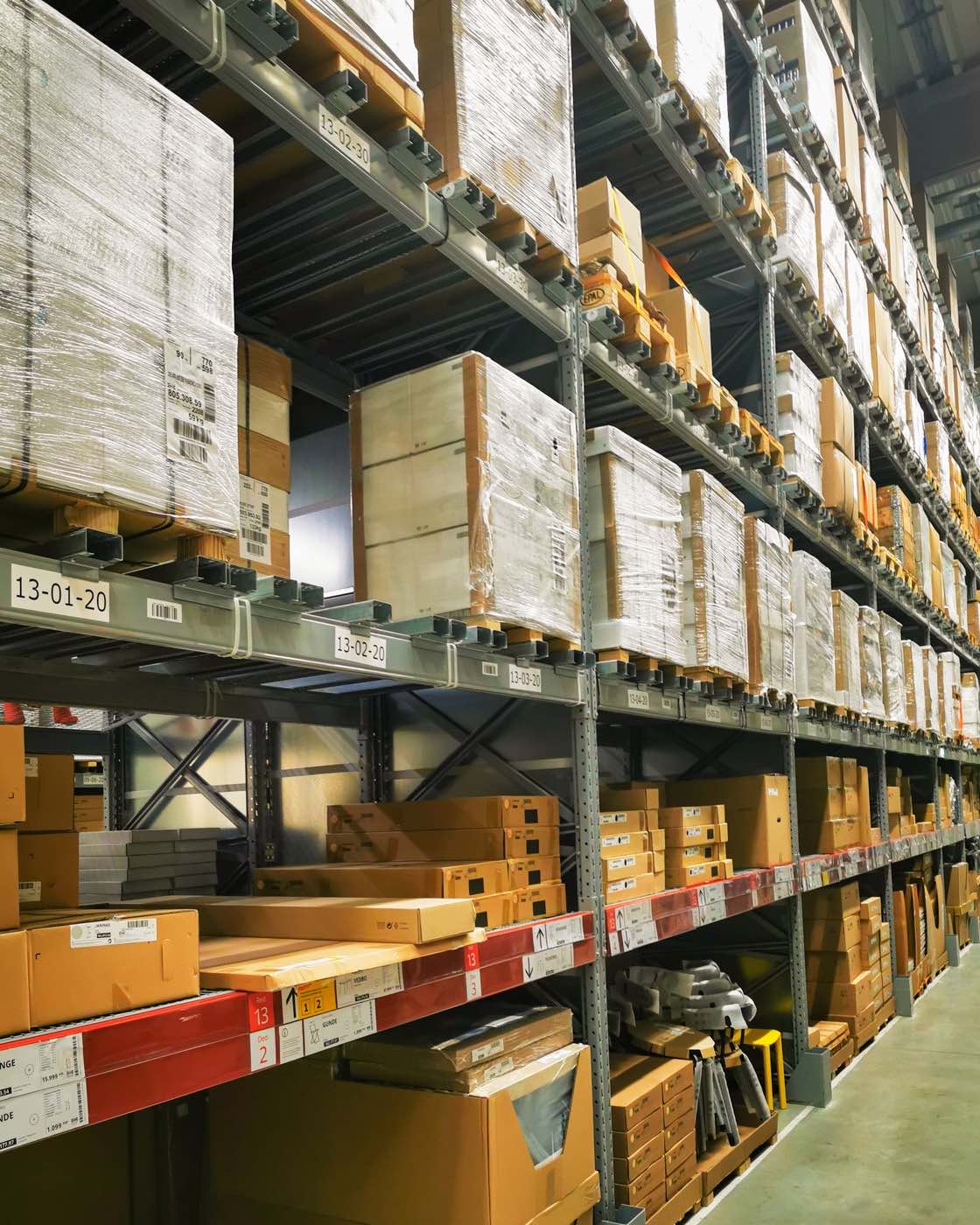
Packing line carrying finished goods through a production facility

Product liability insurance for manufacturers, distributors and retailers

Product liability insurance covers claims arising from products that cause bodily injury or property damage, whether the defect came from the design, the production line or the label. It responds across the supply chain: manufacturers carry it, and so do the importers, distributors and retailers who never touched the manufacturing process.

Talk to an expert

Get a quote

Continue

Core coverage

What product liability insurance covers

Product liability usually sits inside a commercial general liability policy, under the products and completed operations part. Four things it pays for, and three ways a product becomes a claim in the first place.

01How it becomes a claim

Design defects. The flaw that exists before anything is built.

The flaw exists before the product is ever manufactured. It is in the blueprint rather than the production run, so every unit carrying that design carries the same problem.
02How it becomes a claim

Manufacturing defects. The batch that went wrong.

Something goes wrong during production or assembly, making a specific unit or batch unsafe even though the design itself is sound.

03How it becomes a claim

Failure to warn. The label that did not say enough.

A product can be perfectly designed and flawlessly made and still generate a claim if its instructions, warnings or labelling are inadequate.

04What it pays

Third-party bodily injury.

Medical expenses and injury claims from somebody harmed by your product. A consumer hospitalised by a contaminated supplement.

05What it pays

Third-party property damage.

Damage your product causes to property that is not your own. A faulty appliance that starts a fire in a customer's kitchen.

06What it pays

Legal defense costs.

Attorney fees and court costs to defend a covered claim, including one that ultimately fails. Defending a design-defect suit through to settlement.

07What it pays

Settlements and judgments.

Negotiated settlements and court-ordered damages within your limit. A jury award following an injury to a child.

Because this cover normally lives inside another policy, the two are read together or not usefully at all. The exclusions on the policy underneath it set the structure the products part works within, and a design service that caused the defect moves the claim to cover for the advice that shaped it instead.

Where you sit

Four rungs of the chain, four different placements

Strict liability follows the chain of distribution, so exposure is not limited to the business that made the product. Pick where you sit and we will tell you how an underwriter reads it.

Manufacturers

The most obvious exposure. Design, manufacturing and warning defects all originate here, which is why a claimant names you first and settles with you last.

What underwriters askWhat you make, volumes, your QA process, and any third-party testing
The claim that shows upA defect traced to the design, or to a specific production batch
Endorsements it needsA products aggregate sized to output, and vendors cover extended to your buyers
Watch forManufacturer liability is usually the deepest pocket in the chain, and claimants structure their case accordingly.Talk to a broker about this

Food and beverage producers, e-commerce sellers and private labellers all carry this too. Contamination, allergen mislabelling and foreign-object claims are among the most frequent triggers in food. Amazon, Walmart Marketplace and other platforms increasingly require product liability cover as a condition of selling at all. And if your brand name is on the product you carry the label's liability, even when a contract manufacturer made every unit.

Single manufactured product standing on a plain surface

What actually triggers a product liability claim

The policy answers for harm your product does to other people and their property. It does not answer for the product itself, for pulling it off the shelves, or for the advice that shaped it. Those are three separate policies, and the difference tends to be discovered at claim time rather than at quote time.

Four events, and which side of the policy each one lands on:

Covered: A consumer is injured by something you made, imported, distributed or sold. Third-party bodily injury, with defense.

Not covered: A defective batch is destroyed before it reaches anybody. That is your inventory loss and it belongs to commercial property.

Covered: A faulty appliance starts a fire in a customer's kitchen. Third-party property damage.

Not covered: You find the defect first and pull the product back. A recall is a different event with its own policy.

Timing matters too. Product claims land against the products and completed operations aggregate, which is a separate limit from the per-occurrence one and has its own way of running out quietly. Where a single verdict could outrun both, the answer is usually a layer above your primary limits rather than a larger primary.

The gaps

What product liability insurance does not cover

Product liability handles third-party injury and damage. It does not cover everything that can go wrong with a product, and a handful of these account for most of what businesses find at claim time. Eight that matter on a schedule.

Product recall costs

WHAT YOU NEED

Standalone product recall insurance. A recall and a liability claim are two different events: one is you acting first, the other is somebody suing after.

Damage to your own inventory

WHAT YOU NEED

Commercial property. A batch destroyed before it reaches a customer is a stock loss rather than a third-party claim.

Employee injuries in production

WHAT YOU NEED

Workers compensation. A production worker hurt by a machine on your own line is not a third party.

Professional errors in design

WHAT YOU NEED

Errors and omissions. If engineering or consulting work caused the defect, the claim typically moves to that policy instead.

Intentional acts or fraud

WHAT YOU NEED

Excluded under every standard form. Knowingly putting a dangerous product into commerce is not a grey area anywhere in the market.

Contractual liability you took on

WHAT YOU NEED

A standalone contractual liability policy, or a contract that does not promise more than the form gives.

Pollution from your product

WHAT YOU NEED

A pollution liability endorsement or a standalone policy. Contamination behaves differently from injury on every form.

Cyber-related product failures

WHAT YOU NEED

A cyber liability policy. Connected devices and embedded software fail in ways a products form was never written for.

Product liability usually sits inside a general liability policy, and that policy sets the structure these exclusions work within, so bring both to the conversation rather than either alone. Where your product carries software, bring cover for a connected product's software into the same review.

Strict liability

Three defects, and a chain of distribution where anyone can be the defendant

In the US, strict product liability doctrine means any party in the chain of distribution, from designer to retailer, can be held responsible for a defective product regardless of who caused the defect. The CPSC's guidance for retailers and reverse-logistics providers makes clear how far that reaches, and the Insurance Information Institute sets out the same across importers, distributors and sellers. Three things follow from it.

Technical product drawing and a prototype part on a workbench

The defect has three origins and only one is the factory

Design, manufacturing, failure to warn. A product can be flawlessly made and still generate a claim because the label did not say enough. A business that audits only its production line is auditing one third of its exposure, and the third it is ignoring is the cheapest one to fix.

Quality control bench with calipers and gauges beside a machined part

The claimant picks the defendant, and they pick the reachable one

A foreign manufacturer outside US jurisdiction is not a practical defendant. The importer is. The distributor who warehoused it is. The retailer who sold it is. Being blameless and being named are different things, and only one of them is decided by who actually caused the defect.

Printed product labels and an instruction leaflet on a packing bench

A hold-harmless is worth what the counterparty is worth

Supplier indemnities and vendors endorsements move the cost back up the chain, but only while the party above you is solvent and reachable. That is exactly why distributors and sellers who never touched a production line still carry their own cover rather than relying on somebody else's.

The useful question is not whether you made it. It is whether, when a claimant looks up the chain for somebody to sue, you are the one they can reach. Where the answer is yes, the placement has to reflect that rather than your place on the org chart, and where a verdict could outrun the primary the answer is a layer above your primary limits.

Speak to our team

Endorsement check

Tick what your business actually does with the product

Each line below changes what a products schedule has to carry. Nothing here is priced and nothing here is a quote. It shows which parts of the placement need a conversation before it goes to market.

What the placement has to answer

Tick what applies and the cover it implies appears here.

Bring this to your renewal with your supplier contracts beside it. Half of these are answered by somebody else's policy, and the other half are answered by yours.

Speak to our team

Cost

What drives the cost of product liability insurance

Product liability is usually priced as part of your general liability premium rather than as a standalone line, and no figure on a page can price it, because the same revenue behaves completely differently across categories. Six inputs move it more than the rest.

01

Product type and hazard class

Food, pharmaceuticals, medical devices and children's products attract higher rates than low-hazard goods, by multiples rather than by margins.

Effect on premium
02

Claims history

Prior product claims are the single largest driver of renewal pricing, and a category with a litigation history carries that reputation into every submission.

Effect on premium
03

Revenue and volume in commerce

More product in circulation means more exposure sitting behind each unit sold, and carriers rate on what has gone out rather than what is on the shelf.

Effect on premium
04

Distribution channels

Selling nationally or through major retail platforms increases exposure against direct-to-consumer only, because the number of people who can be harmed rises with reach.

Effect on premium
05

Country of manufacture

Imported goods may attract higher rates, and carrier appetite for foreign-made product varies widely between markets.

Effect on premium
06

Safety certifications and QA

Documented quality assurance, third-party testing and recognised certifications support better terms. This is the one input on the list you can actually change.

Effect on premium

Three marks is an input that moves a products premium more than the others here. It is a relative weighting drawn from how carriers rate, not a rate and not a quote.

Why there is no figure here

The limits you select and the deductible you carry both move the number, and most operators carry deductibles somewhere in the $500 to $2,500 range. Beyond that, the only useful figure is the one for your specific product and your revenue, from the carriers most likely to write your category. A supplement business and a furniture business with identical sales are not in the same conversation, and any page that gives them the same number is misleading one of them.

Talk to an expert

Process

How a placement works

We understand your business first, then take it to the carriers who want to write it. An advisor walks you through the options and what they cost. No two files are the same, so what follows is the shape of a placement rather than a script.

  1. Loss runs and a payroll schedule spread on a desk beside a calculator and laptop

    We build the submission around your product

    What you sell, how much of it, where it goes, and who made it. A submission that reflects the real exposure gets read by underwriters; a generic class code gets declined by them, which is why the questions at this stage are about the product rather than the business.

  2. Brokerage desk with a monitor in morning light

    We match it to the carriers who want to write it

    That includes E&S markets which write categories standard carriers decline outright: supplements, medical devices, imported goods and anything intended for children. One submission, many appetites, and an advisor who explains what came back.

  3. Stamped certificate on a clipboard with a pen and a magnifier

    We read the wording before you bind

    Our team reads the policy wording alongside the competing quotes, so you know how defense costs, limits and exclusions behave at claim time rather than discovering it then. That includes what your contract asks the certificate to say, which a marketplace or a national retailer will specify down to the wording.

Yes. Strict liability follows the chain of distribution, so a retailer or distributor can be named for a defect that originated upstream. Being blameless does not stop you being a defendant, and it does not stop you paying to be defended.

Usually not. It generally sits inside a commercial general liability policy under the products and completed operations part, which is why the two are quoted and read together.

Design, where the flaw is in the plan and affects every unit made; manufacturing, where a batch or a unit goes wrong although the design is sound; and failure to warn, where the instructions or labelling are inadequate.

$1M per occurrence and $2M aggregate is the common floor. Food and supplements, where one incident can affect many people at once, are more often written at $2M/$4M. Medical devices, children's products and electrical equipment need limits chosen against a worst case rather than an average one.

No. A recall is a proactive response to a defect you found, and its costs sit with standalone recall insurance. This policy answers claims from the people a product harmed.

Yes, and not in your favour. US courts generally treat the importer as the manufacturer, because the actual maker is frequently outside the reach of the court and the claimant needs a defendant who is not.

Amazon and several other marketplaces require it as a condition of selling, usually at a stated limit and often naming the platform as an additional insured. Check the wording they ask for rather than just the number.

It depends on the form, and it matters here more than in most places because product suits are long. A $1M limit that absorbs $300,000 in legal fees before a verdict leaves $700,000 for the judgment. If a carrier offers defense outside the limit, confirm it before you bind.

Get started

Cover the products your business puts into commerce

Whether you manufacture, import, distribute or sell, we place product liability across more than 100 carriers including the E&S markets that write the categories standard carriers decline. We will tell you where you sit in the chain and what that means for your limit.

  • E&S markets for declined categories
  • 100+ carrier portals
  • Wording read before you bind
Exterior of a light industrial unit in daylight
Export Design
Download files for your developer
General
WordPress Builders