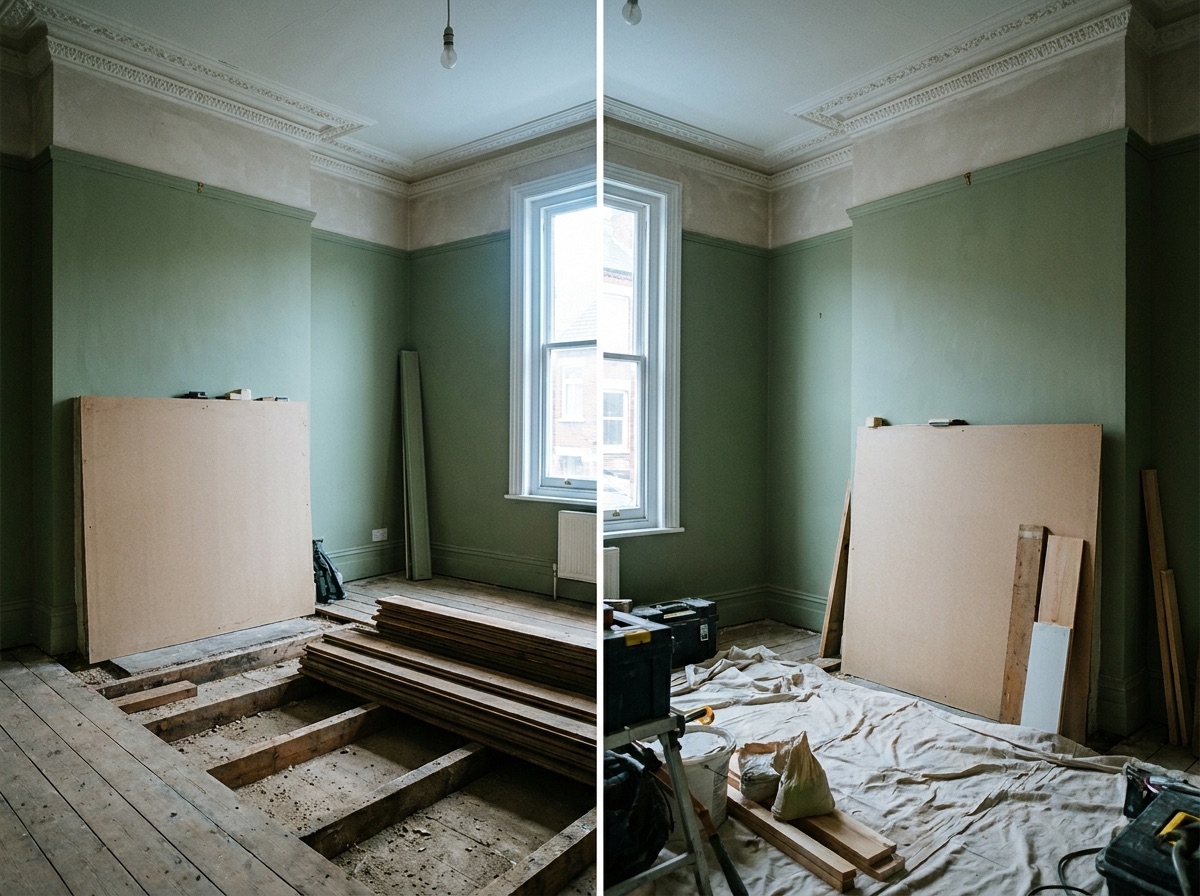
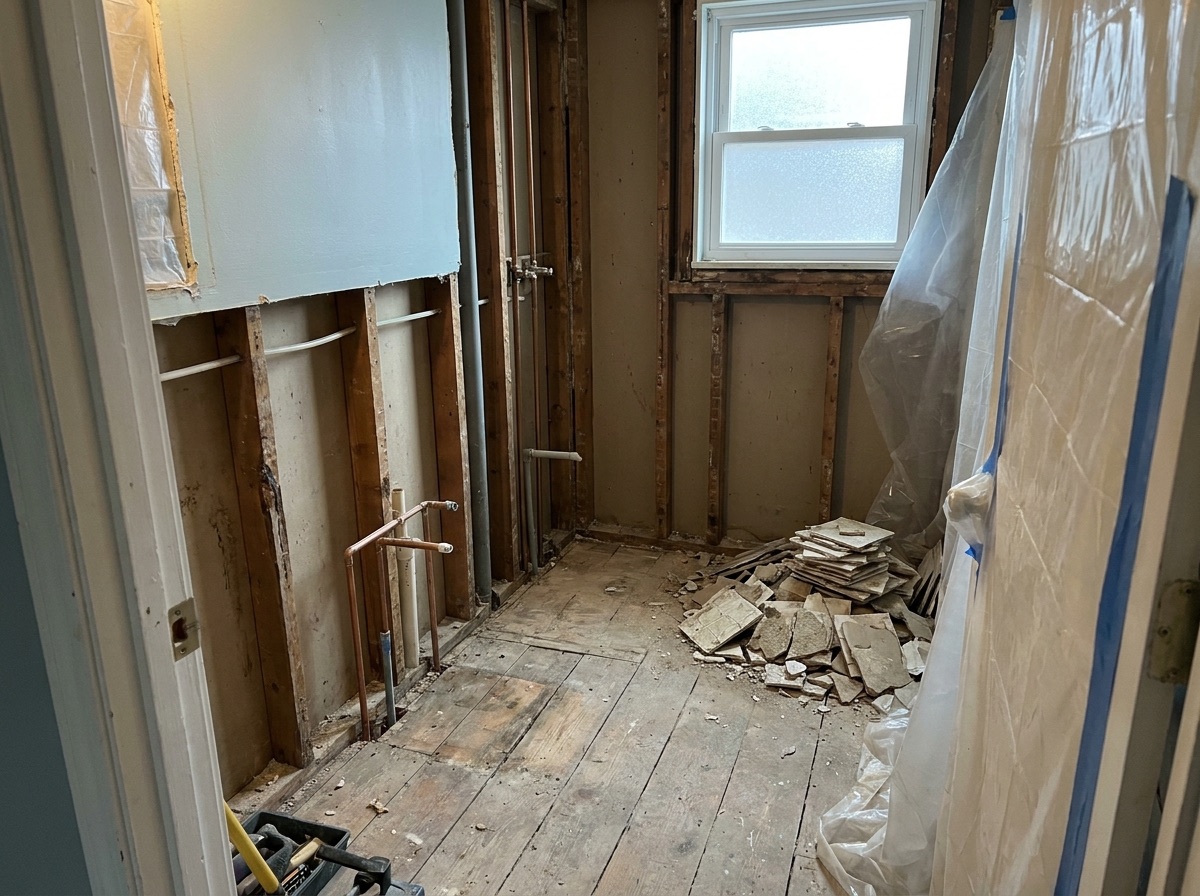
Residential room part way through renovation with dust sheets and a folded step ladder

Remodeler insurance

Remodeler insurance covers general liability for damage to an occupied home, workers compensation, tools and equipment, and installation floater cover for materials in transit. Working inside a client's existing structure is what separates it from new-build cover.

Talk to an expert

Get a quote

Continue

Core coverage

What remodeler insurance covers

Two lines carry a remodel, and the first one is doing something it never has to do on a new build: answer for a building that was already there.

01Carries the weight

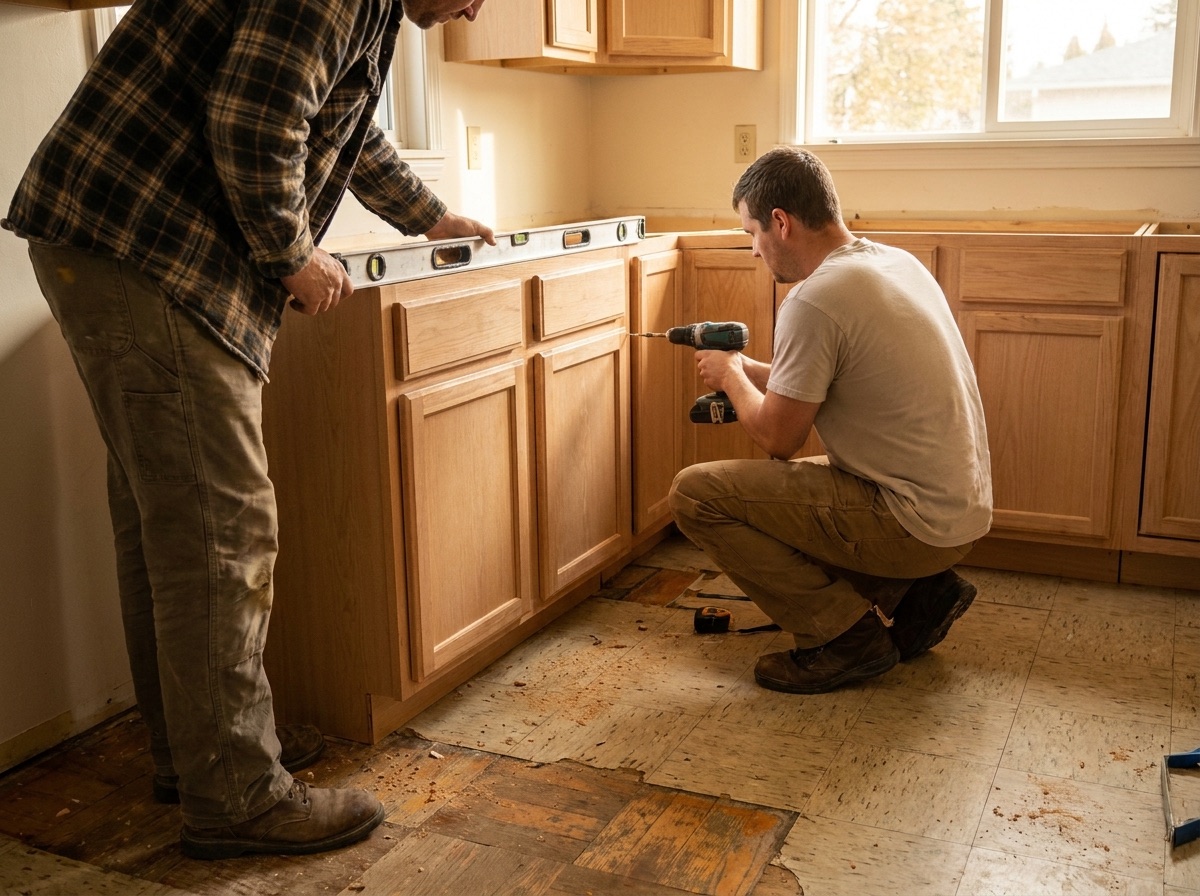
General liability. The house around your work, and the people living in it.

Third-party injury and property damage arising from your work. Damage to finished rooms you were not working in, a client hurt moving through a live site, dust and debris reaching parts of the home nobody agreed to open up. On a remodel the building itself is the third party.
02Carries the weight

Workers compensation. A crew working inside a finished building.

Medical costs and lost wages when someone on your crew is hurt. Remodeling injuries cluster around demolition, stairs, awkward access and the hazards of a structure nobody has a drawing for. Your class code sets the opening rate before anything else is discussed.

03Fills a gap

Care, custody and control

The kitchen you took out and stored, the furniture you moved, the appliances stacked in the garage. On a remodel you are constantly holding property that belongs to the client.

04Fills a gap

Installation floater

Materials in transit and on site before they are fitted. Cabinetry, stone, glazing and fixtures sitting in a hallway are covered by nobody's policy until somebody writes a floater.

05Fills a gap

Tools and equipment

Written as inland marine. On a remodel the site is somebody's home rather than a secured compound, and the security assumptions in the wording are worth reading.

06Fills a gap

Contractors errors and omissions

Where you design as well as build. Drawing the layout, specifying the beam or advising on the spec is professional advice, and general liability does not answer for advice.

07Fills a gap

Subcontractor controls

Not a policy, a process. Almost every remodel involves trades you do not employ, and their certificates are what stop their failures becoming your claims.

The installation floater is the line most often missing entirely, because materials feel like somebody else's problem right up until a delivery of cabinetry is stolen from a hallway. Our brokers check it alongside what the tool schedule actually lists and against the construction program above this one where remodeling is only part of what you do.

Your projects

Four remodels, four different policies

Most remodelers take all four, and it is the heaviest one you accept rather than the typical one that decides how the file is rated. Pick where your largest projects sit.

Kitchen remodels

The highest-value room in the house, with water, gas, electricity and expensive finishes arriving in the same six weeks. Also the room a family cannot do without, which shapes every conversation about delay.

What underwriters askProject values, how much you self-perform, and whether the household stays in residence
The claim that shows upWater damage after a connection, damage to stone or cabinetry in storage, delay claims from the client
Endorsements it needsInstallation floater, care custody and control, subcontractor certificate process
Watch forStone and cabinetry usually arrive weeks before they are fitted. Between delivery and installation they belong to nobody's policy unless a floater says otherwise.Talk to a broker about this

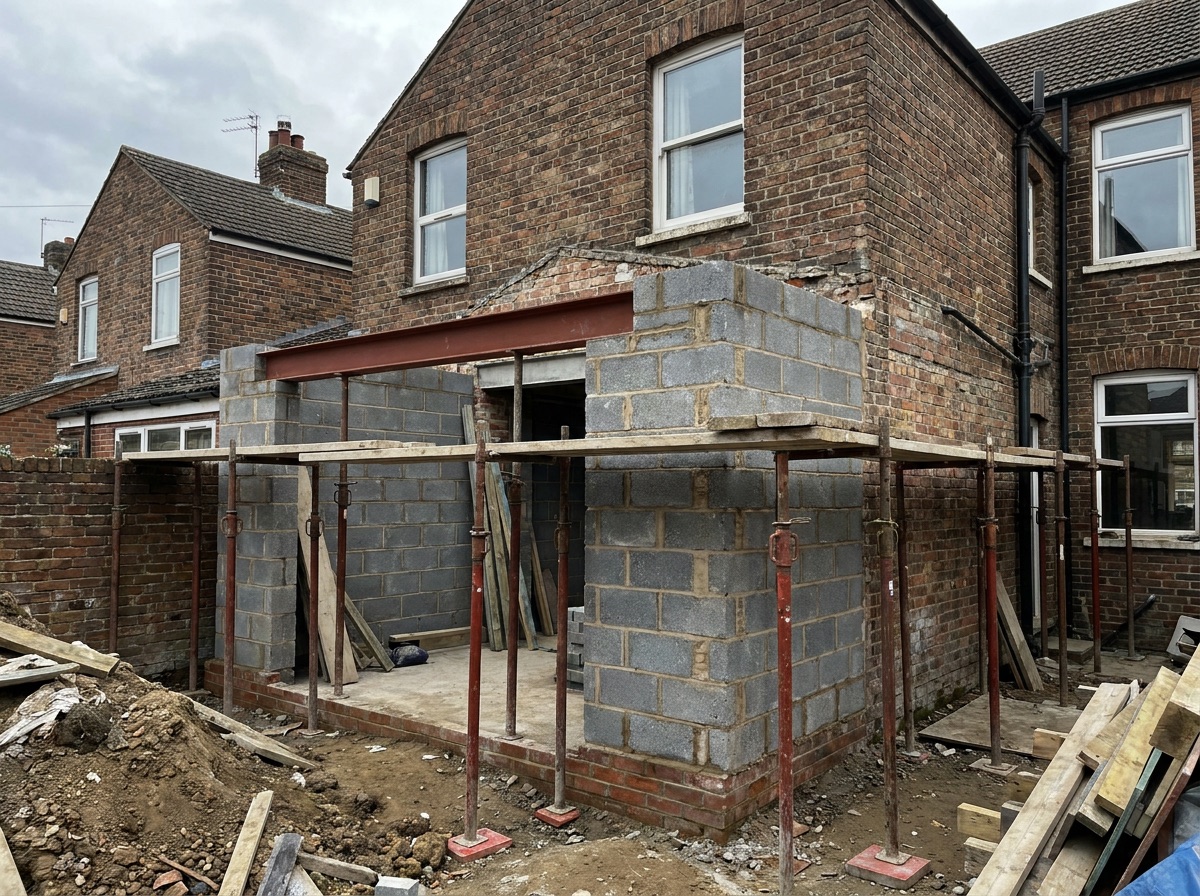
If you have started opening structure or taking on pre-war stock, the policy written for kitchens and baths no longer describes the risk you are carrying.

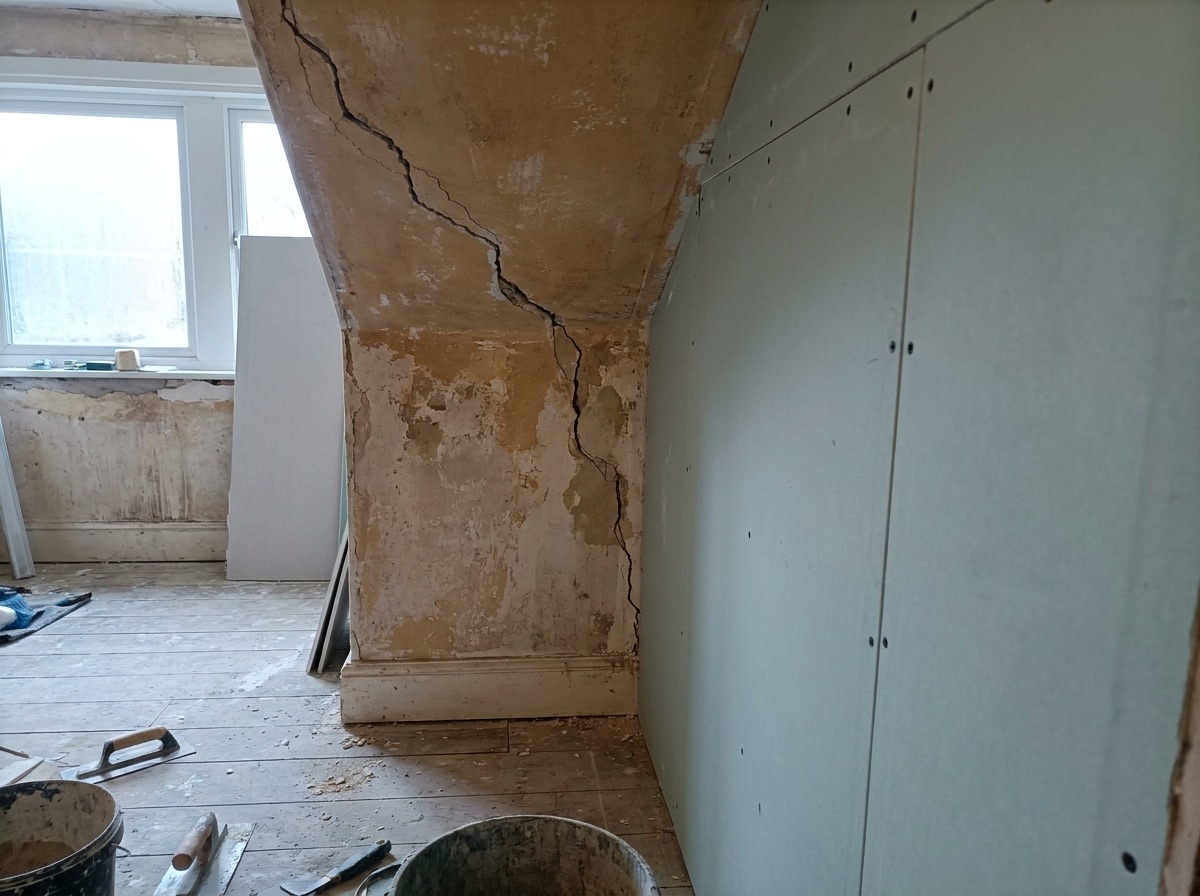
Crack running through original plaster beside a section of new plasterboard

Who owns what was already wrong

This is the argument that defines remodeling insurance. General liability answers for damage your work causes to other property. On a remodel, the other property is a house that was already there, already ageing, and already carrying whatever the last four owners did to it. Separating your damage from its condition is the whole game.

Where the line tends to fall:

Covered: A wall you demolished bringing down finishes in the room next door. Subject to your terms, that is damage your work caused to other property.

Not covered: Redoing the part of the remodel you got wrong. The rework is your cost on this trade exactly as it is on every other.

Covered: Water reaching the floor below after a connection you made failed during the works.

Not covered: A defect that was in the house before you arrived, which the client noticed once you were on site. Pre-existing condition is not your claim, but it will be your argument.

Which is why the most valuable thing a remodeler does on day one costs nothing: photograph everything before you touch it. A dated record of the existing condition is the difference between a conversation and a claim, and it is the only evidence that will ever exist. It matters more than any endorsement on the schedule, and it is worth reading alongside how cover behaves once a job is closed, because that is where the late arguments land.

The gaps

What remodeler insurance does not cover

Eight that matter on a remodeling schedule. Most of them exist because you are working inside a building somebody else built.

Your own workmanship

WHAT YOU NEED

Nothing closes it. Resulting damage is generally covered, putting your own work right is not. Price the snag list into the contract.

Pre-existing defects

WHAT YOU NEED

A photographic record made before you started. Not a policy at all, and more useful than most of them.

Lead, asbestos and mould

WHAT YOU NEED

Pollution liability. Older stock contains all three, and standard wordings exclude all three.

Weather through an open structure

WHAT YOU NEED

Builders risk or an equivalent, arranged before the roof comes off. General liability does not answer for rain.

Design and specification

WHAT YOU NEED

Contractors errors and omissions. Drawing the layout or specifying the beam is advice, and GL does not respond to advice.

Employee injury

WHAT YOU NEED

Workers compensation. General liability answers for third parties, and your crew is not a third party.

An uninsured subcontractor

WHAT YOU NEED

Certificates collected before anyone starts. Many wordings strip cover for work done by a sub who cannot produce one.

Delay and consequential loss

WHAT YOU NEED

Rarely anything. A client's hotel bill because the kitchen ran over is a contractual argument, not an insured one. Manage it in the contract.

The second card is the one worth acting on today, because it costs nothing and it is the only one you can still fix on a job that has already started. Speak to our team about the pollution position before you take on older stock, and about cover once the crew grows if you are hiring for the season.

Older stock

What you find when you open the wall

Remodeling is the only trade on this site whose risk is largely invisible at quoting stage. Three things hide inside older buildings, and each one changes the policy rather than just the programme.

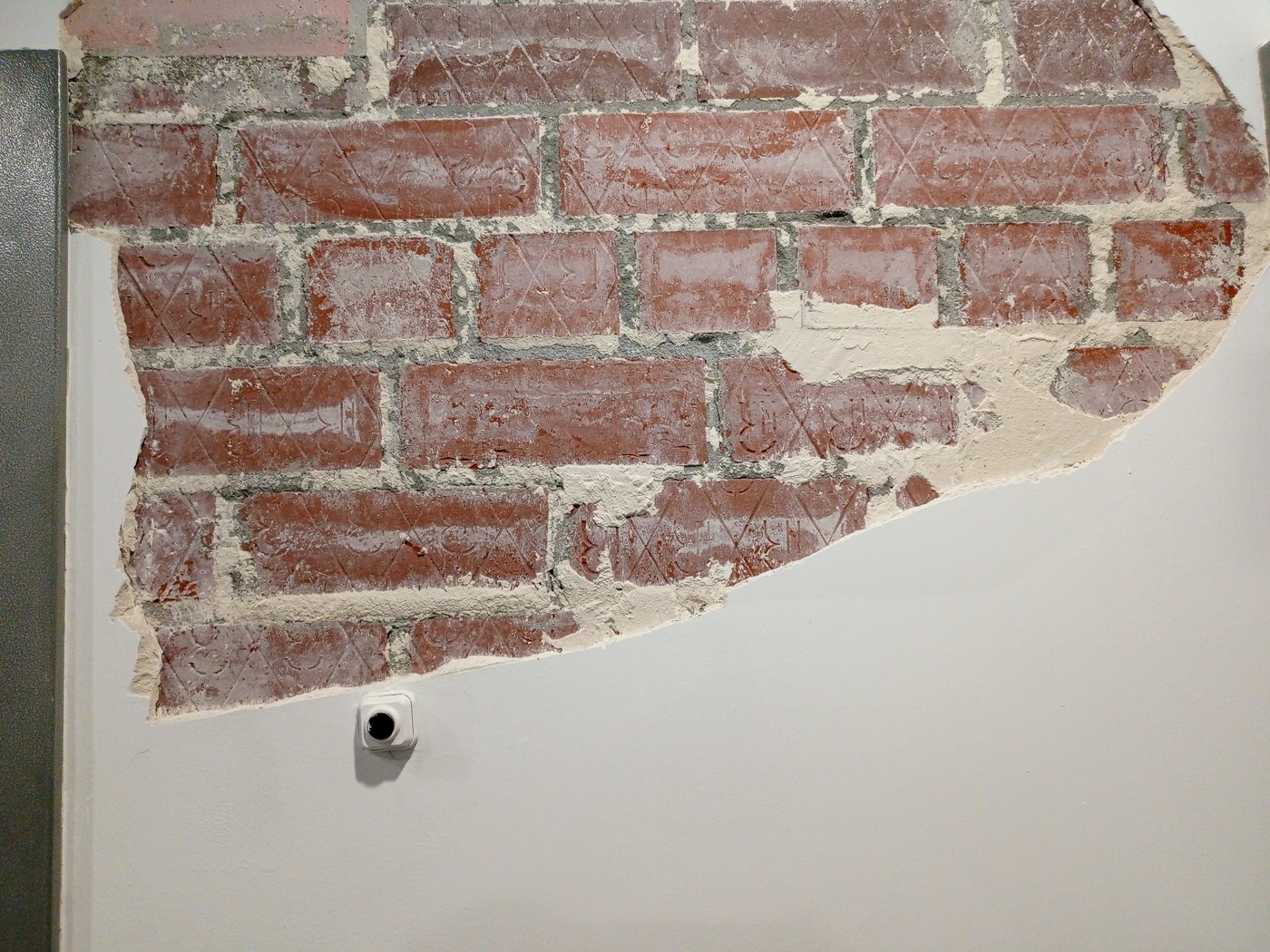
Old brickwork exposed where plaster has come away from an interior wall

Materials that were legal at the time

Lead paint and asbestos were ordinary building products for decades, and both are still sitting in a great deal of housing stock. Disturbing either turns a remodel into a pollution event, and the standard pollution exclusion means a plain general liability policy will not answer for it.

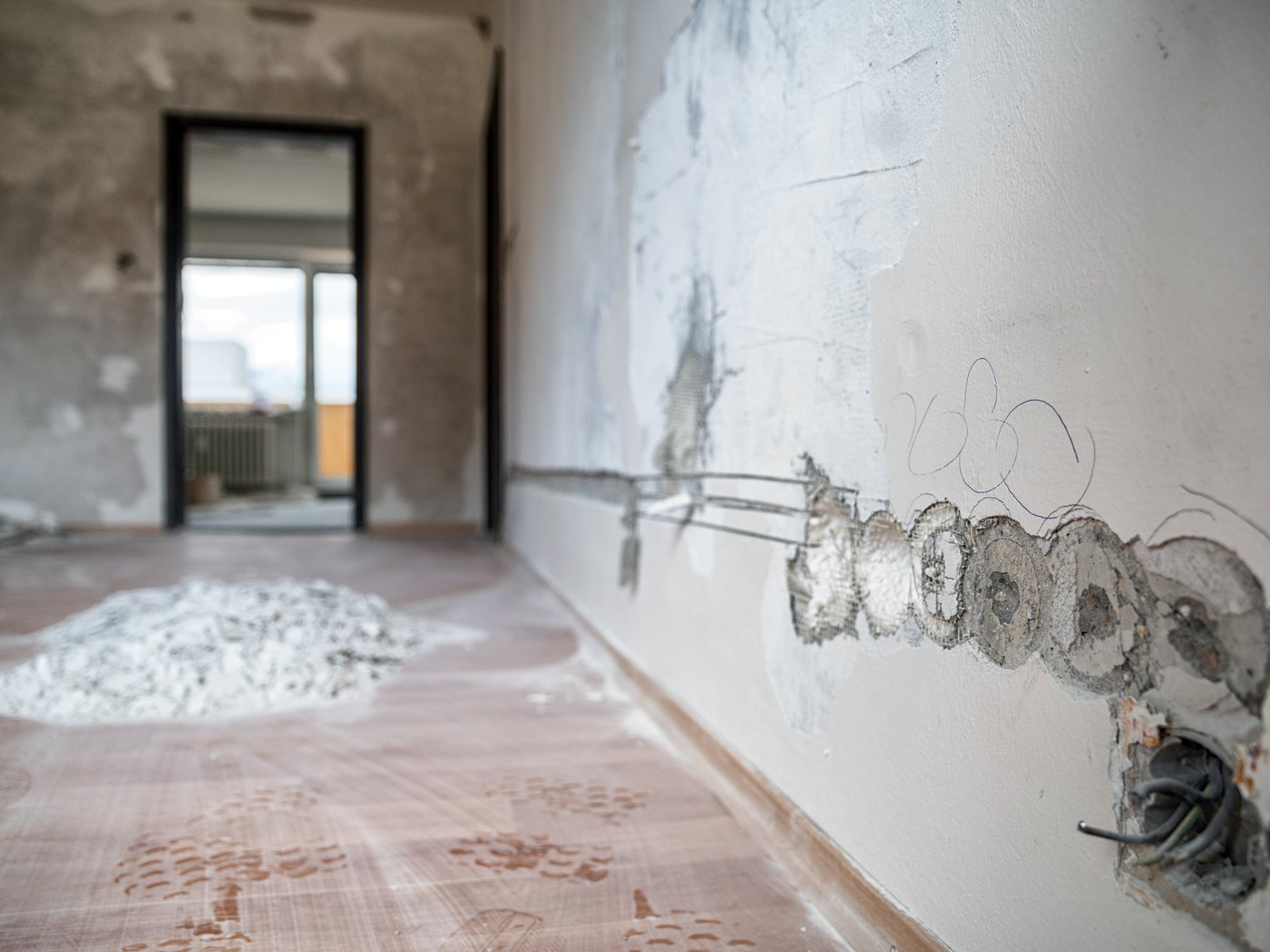
Cables and chased channels revealed in the stripped wall of an older apartment

Work nobody documented

Undocumented alterations by previous owners are the norm rather than the exception. A wall that turns out to be load bearing, a circuit that runs somewhere unexpected, a beam that was never sized. You inherit the consequences of decisions you were never told about.

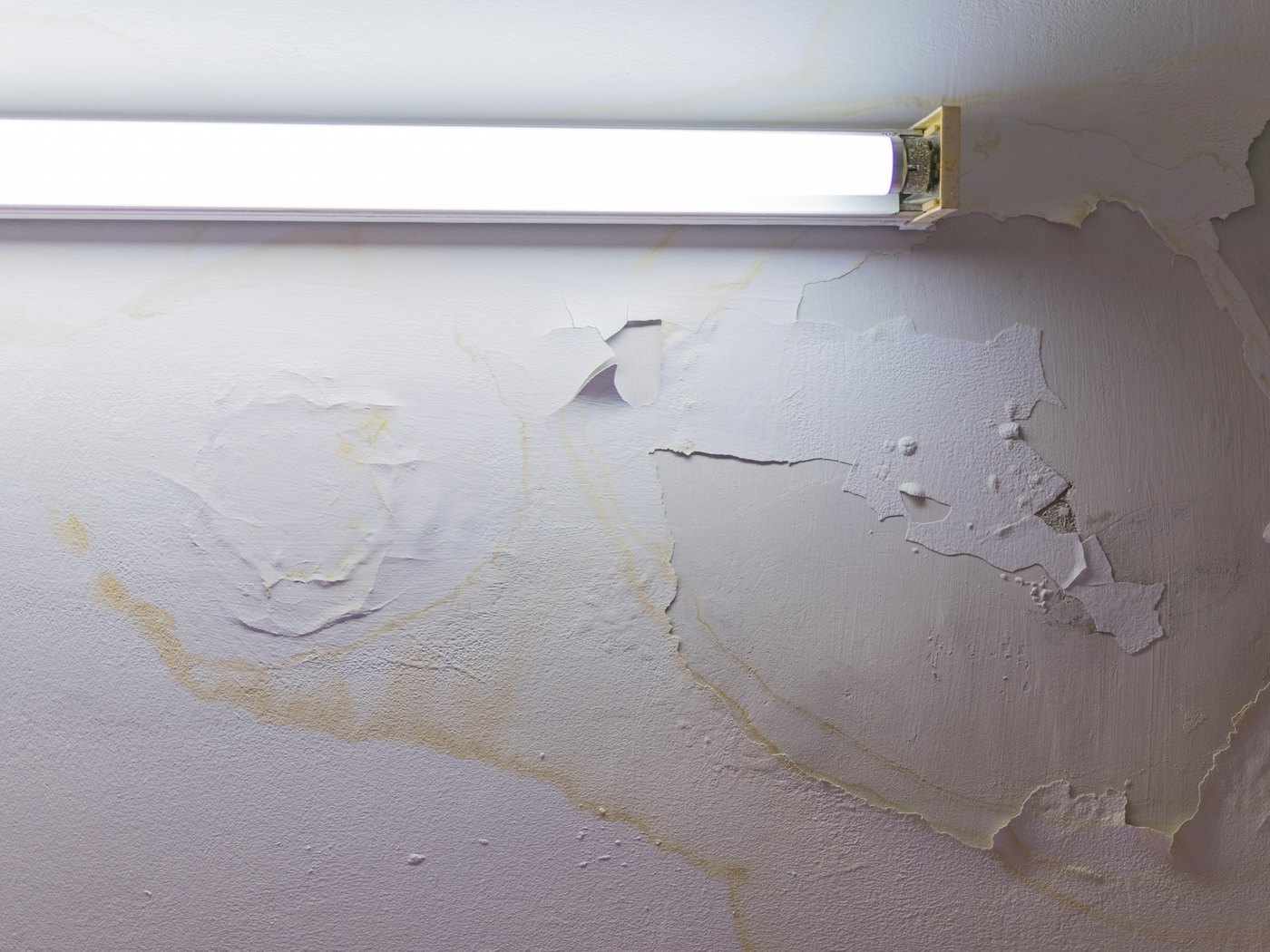
Water staining spreading across a ceiling below a failed roof

A building that is now open to weather

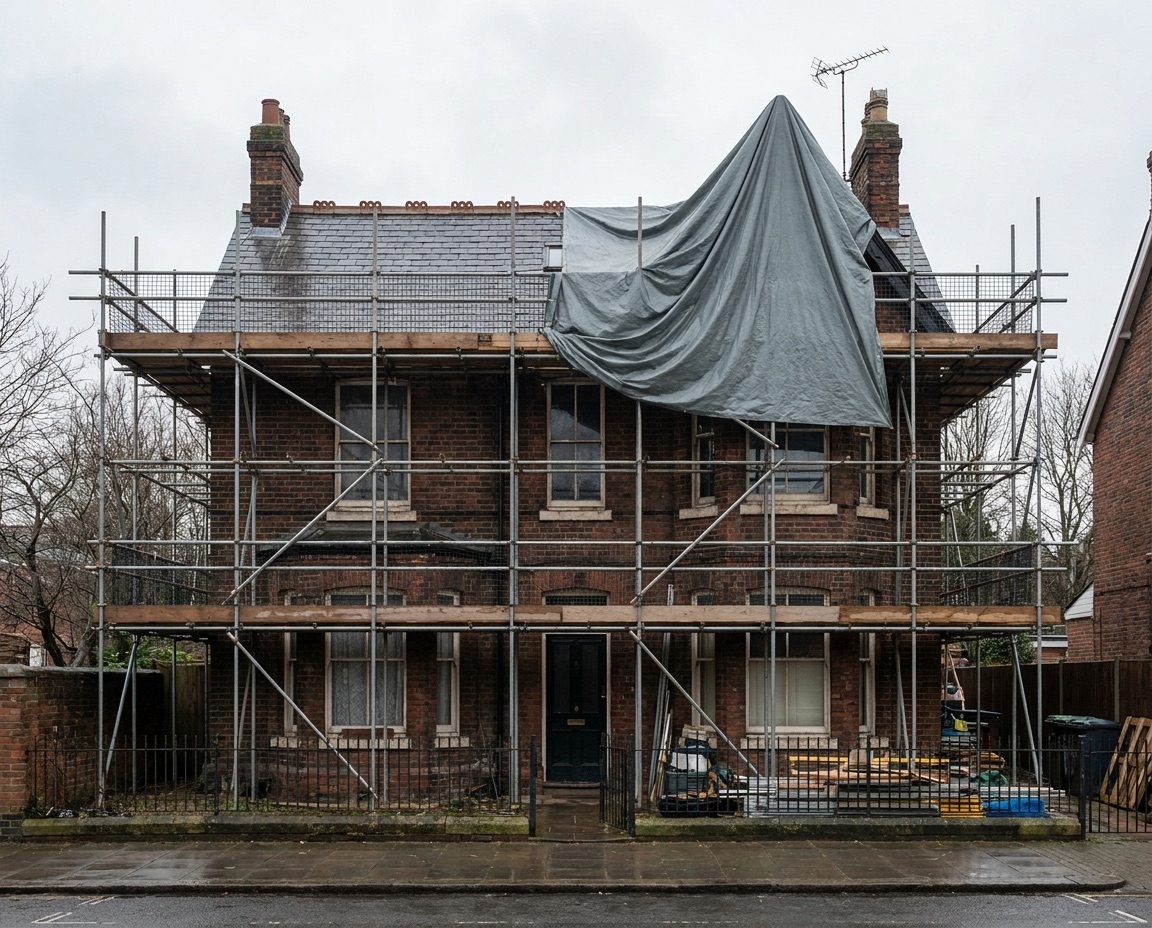
Once a roof or an external wall is opened, the whole house is exposed and that exposure is on your watch. General liability does not answer for rain, so the cover that responds is builders risk or its equivalent, and it has to be in place before the opening rather than after the forecast changes.

None of this is avoidable on older stock, and all of it is manageable. Test before you disturb, document what you find, and confirm your pollution position before you price the job rather than after you open the wall. It sits alongside whatever your state requires of a licensed contractor, which governs who is permitted to do the work at all.

Speak to our team

Project check

What do your projects actually involve?

A remodeling policy is rated on the heaviest work you accept, not the average job. Each line below changes the wording or the limits. Nothing here is priced and nothing is submitted.

What the schedule needs to answer for

Nothing ticked. Choose what your projects involve and the cover it implies will build here.

Bring this to your renewal. On this trade the cheapest protections are a floater, a pollution endorsement and a camera, and all three are easier to arrange before a job than during one.

Speak to our team

Cost

How much does remodeler insurance cost?

No flat figure survives contact with a real project list. Six inputs move a remodeling premium further than the rest.

01

Whether you touch structure

The single biggest divider on this trade. Kitchens and baths are one risk; opening load-bearing walls and adding footings is another, and carriers price them as different businesses.

Effect on premium
02

Payroll and class code

Comp is built on payroll, and remodeling classes sit above finishing trades because demolition and awkward access produce real injuries.

Effect on premium
03

The age of the stock you work on

Older housing brings lead and asbestos, and the pollution position that follows. It is a modest cost to add and an expensive thing to discover missing.

Effect on premium
04

Whether you design

Design-build brings a professional exposure that a pure build contractor does not carry, and it needs its own cover rather than a bigger liability limit.

Effect on premium
05

How much you subcontract

Uninsured subcontractor payroll is routinely reclassified as yours at audit, so the certificate process is a premium question as well as a claims one.

Effect on premium
06

Claims history and project values

Three years of loss runs alongside your typical and largest contract. On this trade a single water claim in an occupied home can outweigh several clean years.

Effect on premium

Three marks is an input that moves a remodeling premium more than the others listed here. It is a relative weighting drawn from how these behave on existing-structure work, not a rate and not a quote.

So what does that add up to?

The line that matters is structural. A remodeler who stays inside finishes is priced close to a fit-out trade; one who opens walls is priced close to a builder. Most businesses sit somewhere between and are rated as whichever they described last. Request a quote and we will come back with real numbers against your real project list.

Talk to an expert

Process

How a placement works

We understand your business first, then take it to the carriers who want to write it. An advisor walks you through the options and what they cost. No two files are the same, so what follows is the shape of a placement rather than a script.

  1. Loss runs and a payroll schedule spread on a desk beside a calculator and laptop

    We understand the business first

    What you do, where, with how many people, and what your contracts oblige you to carry. Those answers decide which markets will look at the file at all, and how much of the rest of this applies to you.

  2. Brokerage desk with a monitor in morning light

    We match it to the carriers who want to write it

    One set of information goes to underwriters with genuine appetite for your work rather than whoever happened to quote last renewal. An advisor talks you through what comes back and what it costs.

  3. Stamped certificate on a clipboard with a pen and a magnifier

    After bind, certificates checked against the wording the contract asks for

    A main contractor wants proof before your crew can start, and this is how COIs get issued here. We read the certificate request against your contract so it asks the carrier for the wording that contract needs rather than a generic form that usually fails review.

The existing structure. A builder starts from nothing and is responsible for what they create; a remodeler works inside a building that already exists and takes on responsibility for the parts they touch, next to parts they do not. That difference drives the cover: builders risk, care custody and control, and pollution for older materials all behave differently on a remodel.

Potentially, if your work caused it. General liability responds to damage your operations cause to other property, and on a remodel the rest of the house is other property. What it will not do is pay for a defect that was already there, which is why a dated photographic record before you start is worth more than most endorsements.

If you open the structure or the weather envelope, generally yes. Once a roof or an external wall is off, the whole building is exposed and general liability does not answer for rain or wind. It needs to be arranged before the opening rather than once a forecast changes.

It becomes a pollution claim rather than a property one, and standard wordings exclude pollution. Contractor's pollution liability is what puts it back inside the policy. On pre-war stock this is not an optional refinement, and testing before demolition is what keeps the conversation short.

Only with an installation floater. Cabinetry, stone, glazing and fixtures delivered ahead of the fit sit in a gap: they are no longer the supplier's, not yet the client's, and not part of your tools. A floater is inexpensive and closes a category of loss entirely.

Generally not. A client's costs from an overrun are a contractual matter rather than an insured one, and liability policies do not respond to pure economic loss. The place to manage it is the contract, with realistic dates and a clear variation process.

Usually yes. Drawing the layout, sizing a beam or specifying materials is professional advice, and general liability does not answer for advice regardless of how good the build is. Contractors errors and omissions is what covers the design half of a design-build business.

Not as their insurance, and often less than people assume. Many wordings restrict or remove cover for work performed by a subcontractor who cannot produce a valid certificate, and uninsured subcontractor payroll is frequently reclassified as yours at audit. Collect certificates before anyone starts.

Get started

Cover for the house you did not build.

Tell us how much structure you open and how old the buildings are, and we will come back with terms that account for what is already inside the walls.

  • Certificates checked against your contract
  • 100+ carrier portals
  • Carriers who write occupied-home work
Older brick house wrapped in scaffolding with protective sheeting over the roof
Export Design
Download files for your developer
General
WordPress Builders