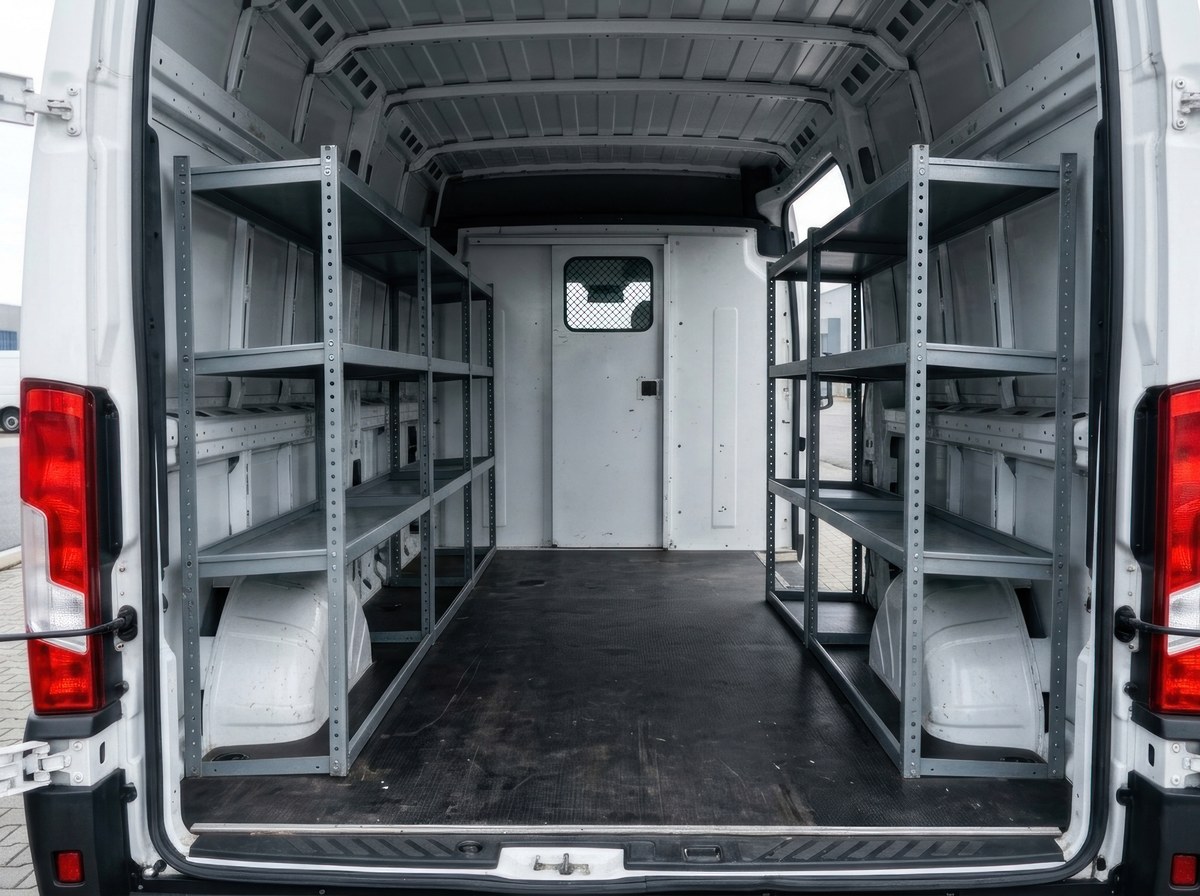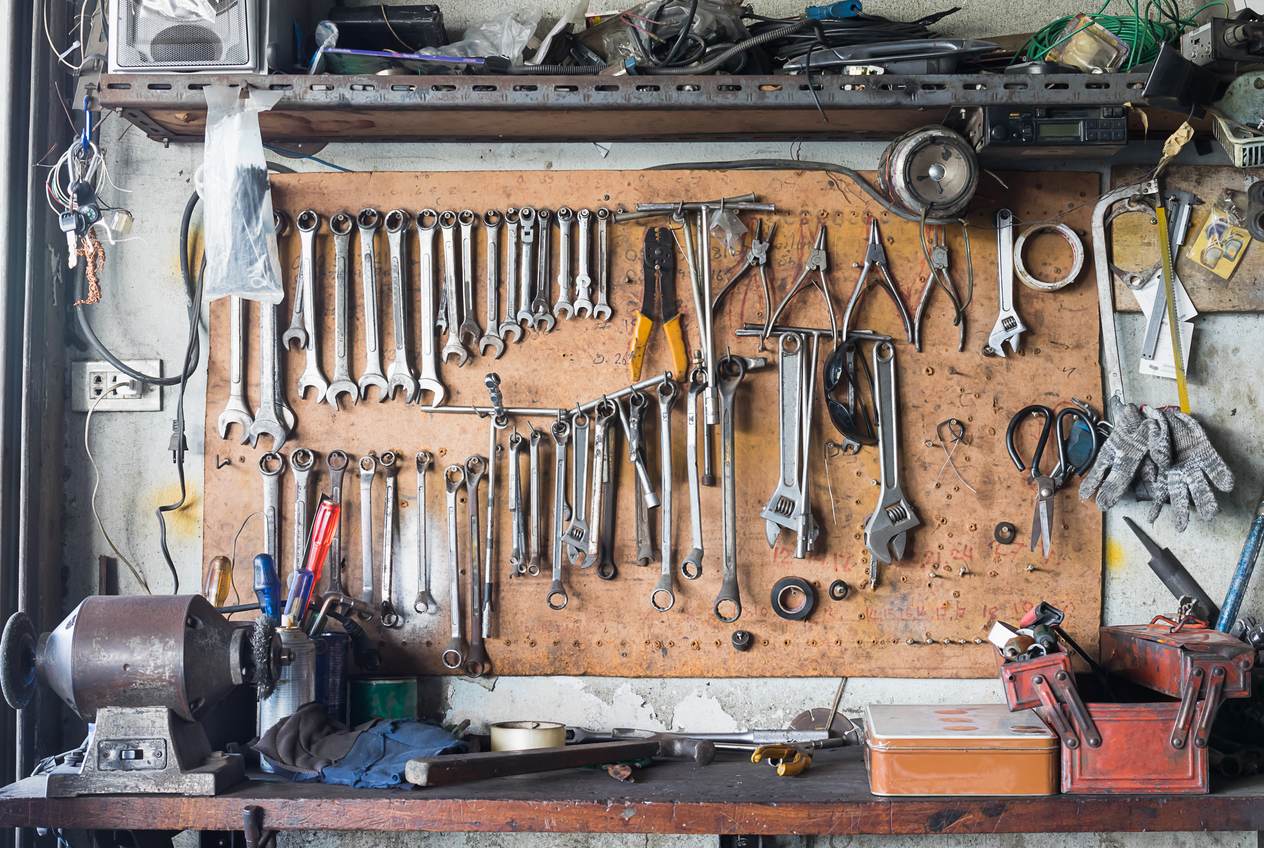
Racked tools and equipment inside a work van with the rear doors open

Tool insurance and equipment coverage for contractors and trades

Tools and equipment insurance, also called inland marine or contractor's equipment coverage, covers the physical loss of the gear your business runs on. A plumber's van is broken into overnight and $8,000 of tools are gone. An electrician's power tools are ruined at a site. In both cases the commercial property policy does not respond, because a property policy insures a place and your tools are not in it.

Talk to an expert

Get a quote

Continue

Core coverage

What tool and equipment insurance covers

This cover follows your property rather than your premises. It responds when the gear is damaged, stolen or destroyed at a jobsite, in a vehicle, or in transit between the two.

01Follows your gear

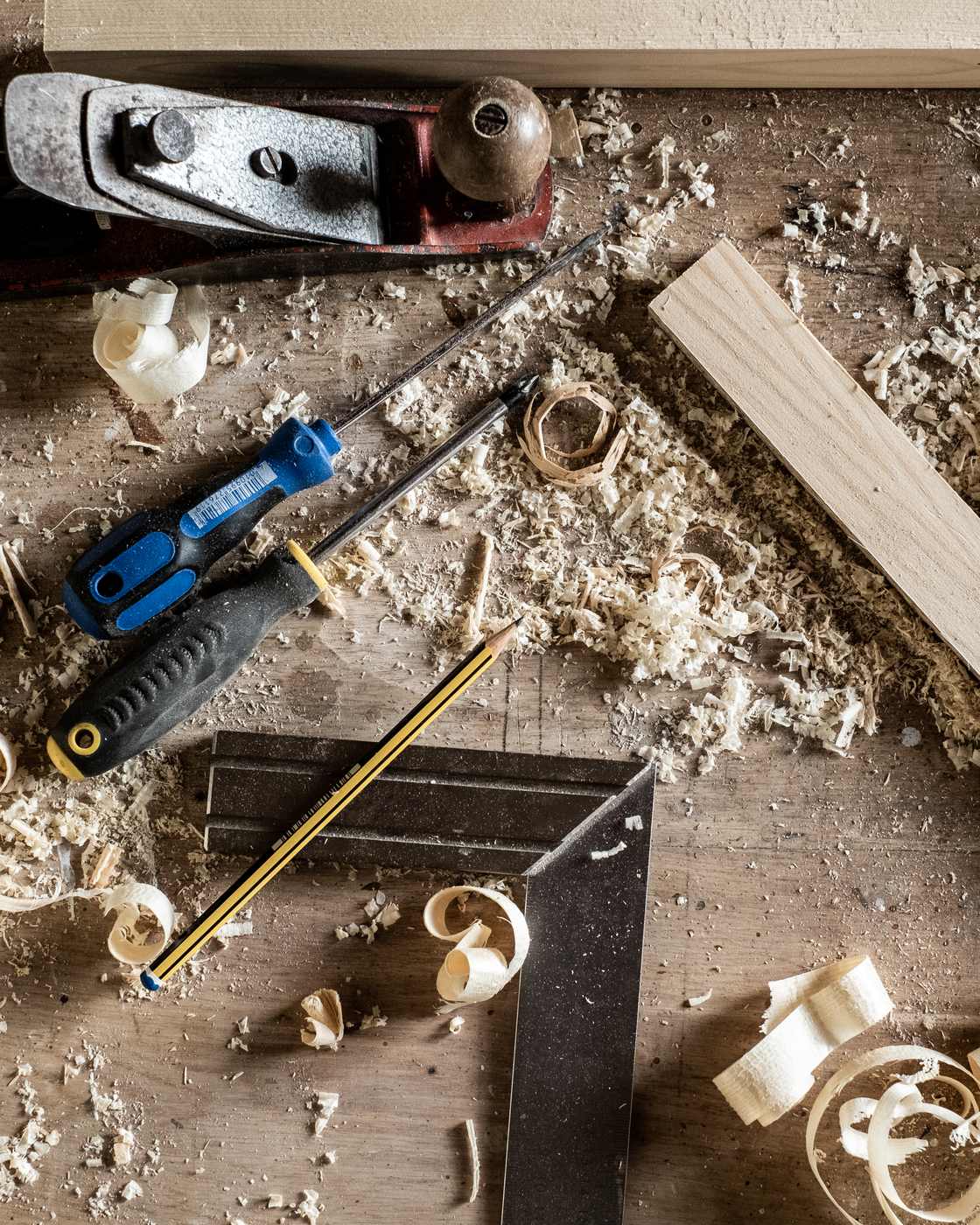
Hand and power tools. The van load, every day.

Drills, saws, nailers, grinders and the everyday tools carried in your vehicle. A packed tool bag stolen from a locked van overnight, which is the single most common claim on this policy.
02Follows your gear

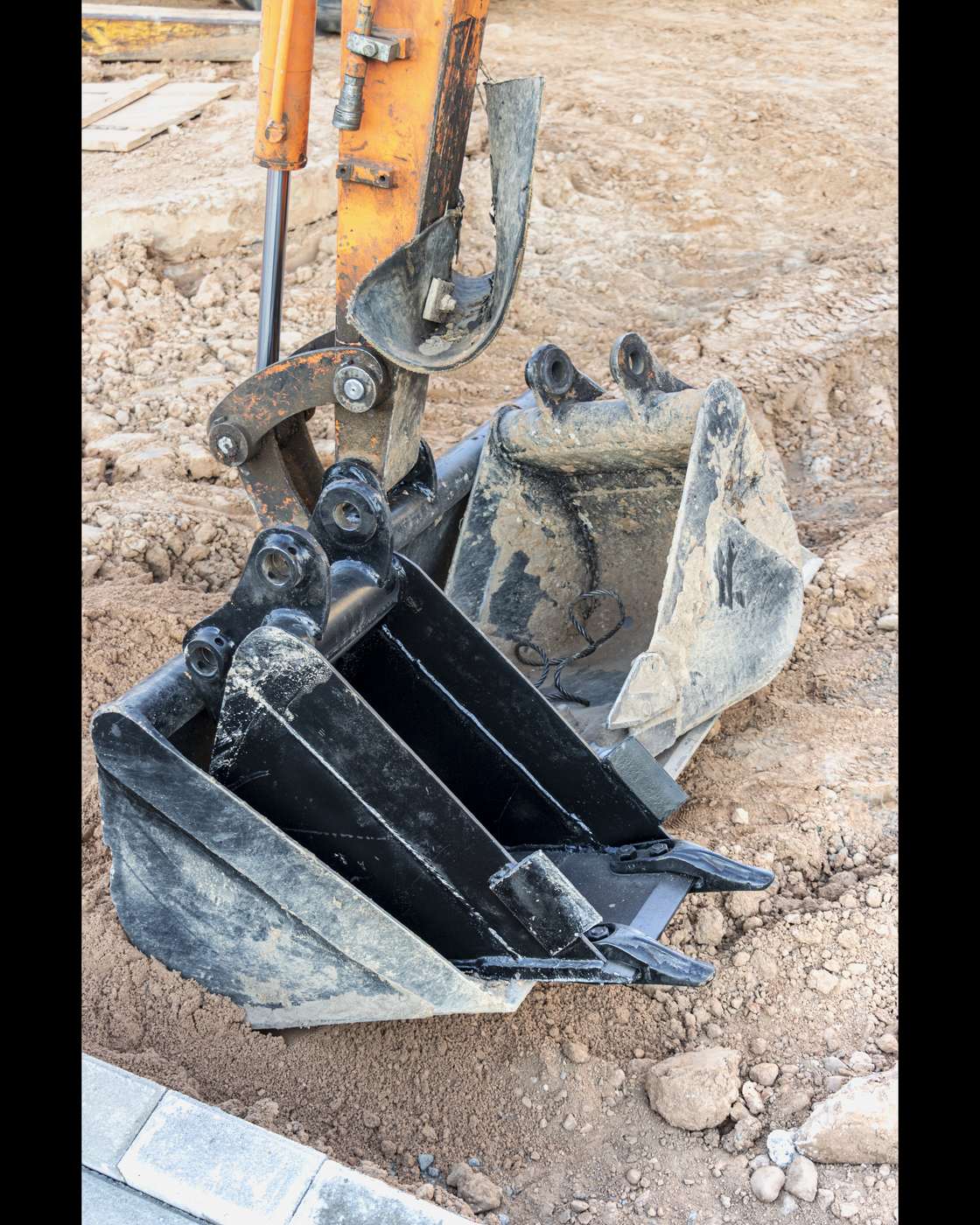
Heavy equipment. Listed individually.

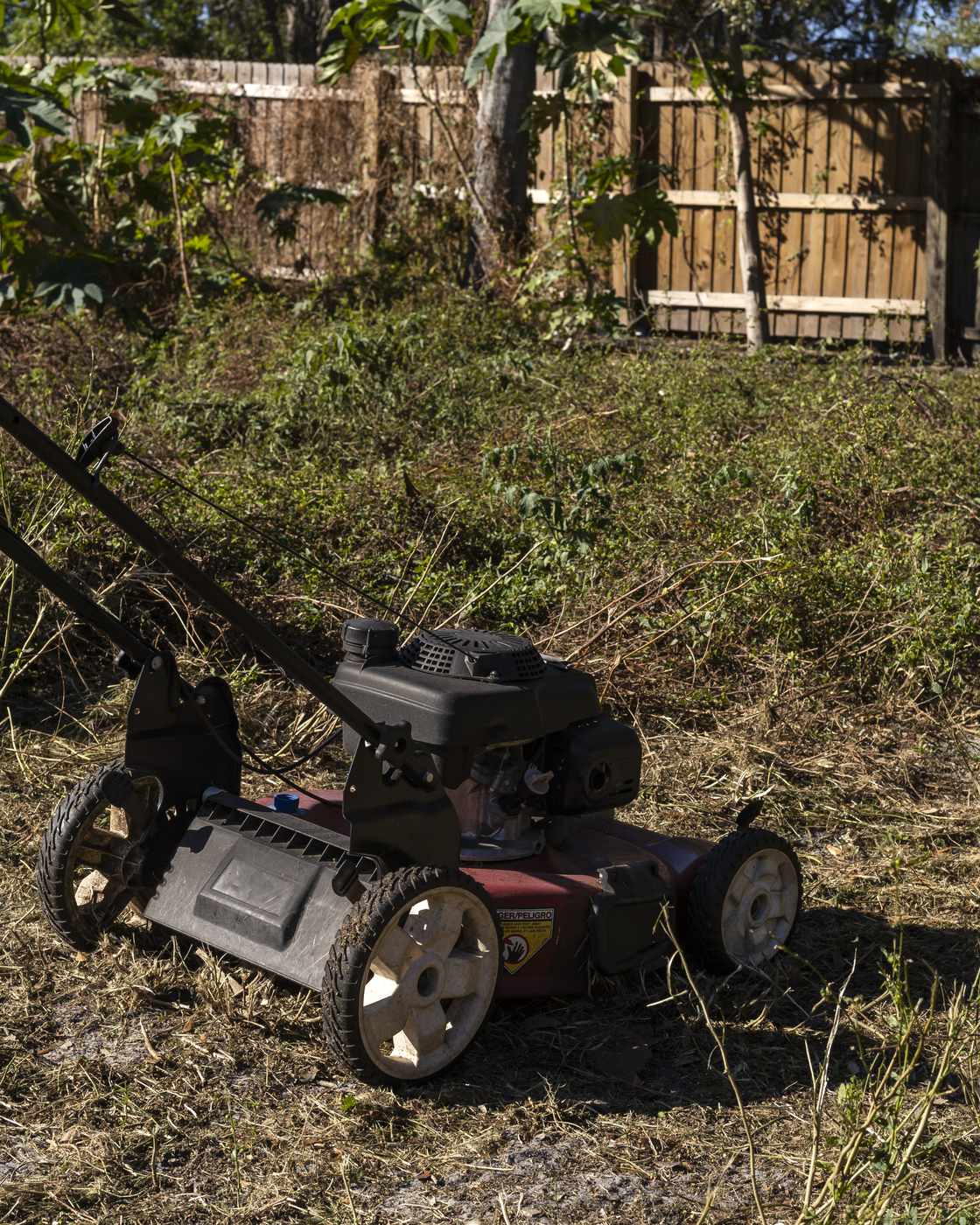
Excavators, skid steers, compactors and high-value machinery, scheduled at stated values. A skid steer damaged when a trailer overturns in transit.

03Follows your gear

Materials and supplies.

Materials while being transported or staged on site. Copper pipe stolen from a staging area before install, which is a loss nobody thinks to insure until it happens twice.

04Follows your gear

Equipment in transit.

The gap between the yard and the job. A surprising share of losses happen in it, and it is precisely where a property policy has never applied.

05Extends to

Leased and rented equipment.

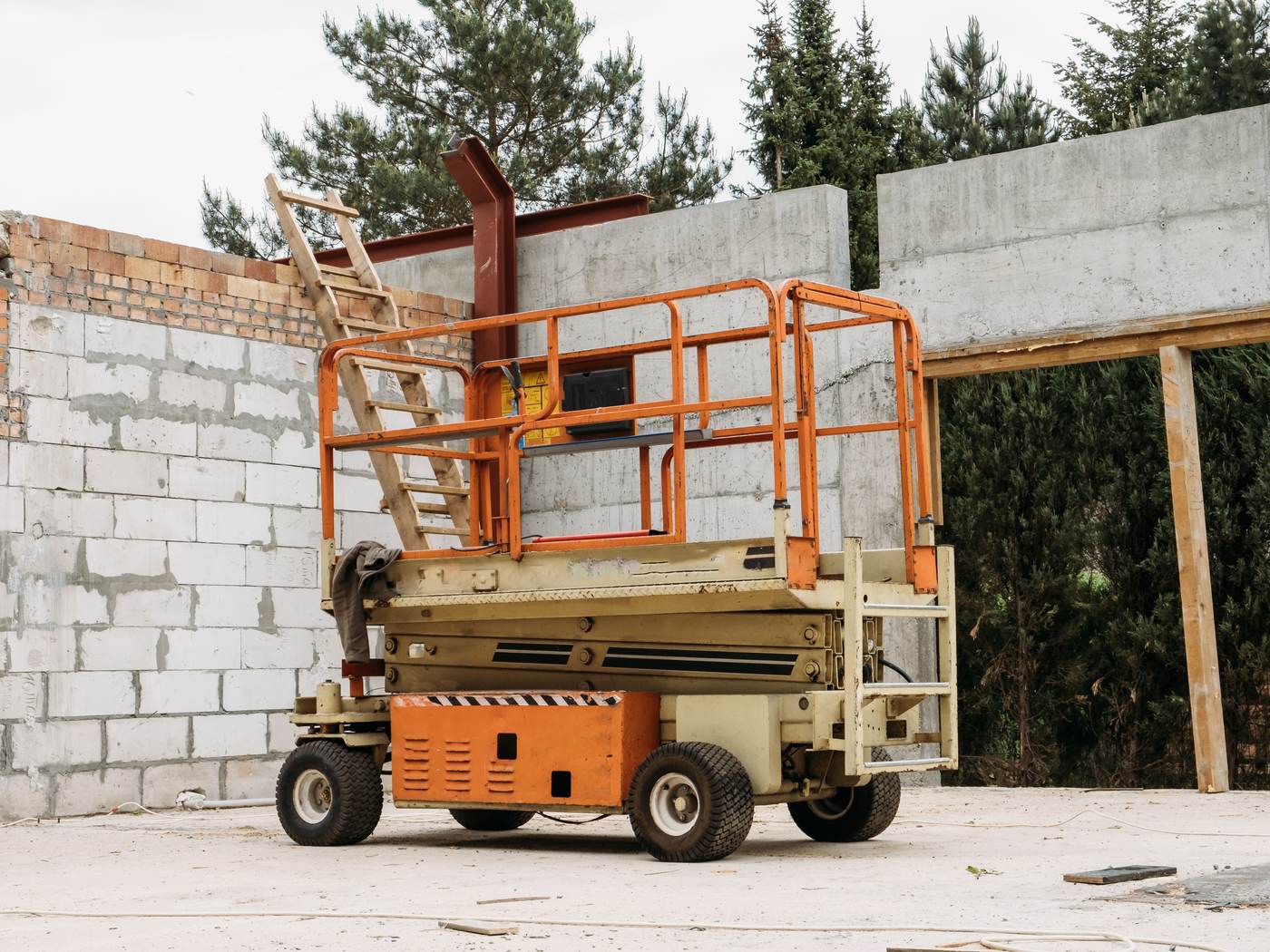
Equipment you rent or lease for a project, on forms that extend to it. A rented lift destroyed by fire at the jobsite, where the rental agreement has already made you responsible for it.

06Extends to

Employee-owned tools.

Tools your crew owns and uses for business purposes. A foreman's personal tools taken from a company truck, which is a claim most owners assume is somebody else's problem until the foreman asks.

It is the mirror image of the property policy that stops at your door, which takes over the moment the gear is back at the yard. Replacing the tools is also only half of a bad week, so ask about the income you lose while you cannot work at the same time.

Your gear

Four operations, four different equipment schedules

Any business that moves tools or equipment between locations carries this exposure, which is most trades and most field service operations. What changes is what gets scheduled, what sits under a blanket, and what the security conditions look like.

General contractors and structural trades

High-value equipment spread across several sites at any given time, plus scaffolding and specialty tools in a hazardous environment.

What underwriters askEquipment schedule, where it is stored overnight, and how many sites run at once
The claim that shows upTheft from a site compound, damage in transit, a machine damaged on a job
Endorsements it needsScheduled cover on the high-value items, blanket over the rest
Watch forEquipment left on site overnight is where the security conditions actually bite, and almost every form has them.Talk to a broker about this

Independent tradespeople carry it too, and they are the ones who most often underestimate what they own until it is gone. A loaded trade van can easily exceed $15,000 in replacement cost, which is more than most solo operators would guess and considerably more than most would want to fund themselves.

Emptied tool rack inside a van after a break-in

What actually triggers a tools and equipment claim

The policy pays for your gear. It does not pay for what your gear does to somebody else, and it does not pay for gear simply wearing out. Those are the two lines contractors cross most often, and they cross them in opposite directions.

Four losses, and which of them this policy answers:

Covered: A packed tool bag is stolen from a locked van overnight. Sudden loss, and cover that follows the property rather than the address.

Not covered: A machine fails from years of use. Mechanical breakdown and wear and tear are excluded from every standard form.

Covered: A skid steer is damaged when a trailer overturns on the way to a job. In transit is exactly where this cover applies and property cover does not.

Not covered: Your equipment damages a client's floor. That is a liability claim and it belongs to general liability rather than here.

Where the gear was, and whether the vehicle was locked, matter as much as what happened to it. Many forms exclude theft from an unattended unlocked vehicle outright, and some require tools to be in a locked compartment rather than merely inside a locked van. Damage the gear causes is a separate question answered by damage your equipment causes to somebody else, which no equipment policy has ever covered.

The gaps

What tool and equipment insurance does not cover

These exposures fall outside a tools and equipment policy and need cover of their own. Three of them account for most of the surprises contractors hit at claim time.

Wear and tear and breakdown

WHAT YOU NEED

An equipment breakdown policy. Gradual deterioration and maintenance are excluded from every standard form; only sudden accidental loss is covered.

Theft from an unattended vehicle

WHAT YOU NEED

Read the form. Many exclude it unless the vehicle was locked, and some require a locked compartment. If a van gets left open on a driveway, that is a coverage question before it is a claim.

What your gear does to others

WHAT YOU NEED

General liability. This policy pays for your equipment, never for the damage your equipment causes to a third party.

Employee injuries on site

WHAT YOU NEED

Workers compensation. People are never on an equipment schedule.

Tools at your fixed premises

WHAT YOU NEED

Commercial property. Once the gear is back at the yard it is the property policy's problem, which is the mirror image of why this cover exists.

Business vehicles in an accident

WHAT YOU NEED

Commercial auto. The van is a vehicle and what is inside it is equipment. Two policies, and the split surprises people regularly.

Lost income after a loss

WHAT YOU NEED

Business interruption. Replacing the tools does not replace the week you could not work.

The structure being built

WHAT YOU NEED

Builder's risk. The building under construction is a different policy from the tools building it.

Wear and tear, unattended vehicles and your own liability are the three that produce most claim-time surprises, and only one of them is fixable after the fact. Read the unattended-vehicle condition before you need it, and check the income you lose while you cannot work at the same time, because a stolen van is usually two losses rather than one.

Inland marine

Your property policy insures a place. Your tools are not in it.

The industry calls this cover inland marine, a category built for property that moves, and the name is the clue. A commercial property policy covers equipment at your fixed location, and the moment the gear leaves, so does the cover. Three structural choices decide what you actually get back.

Single high-value machine photographed alone in a workshop

Scheduled, or blanket

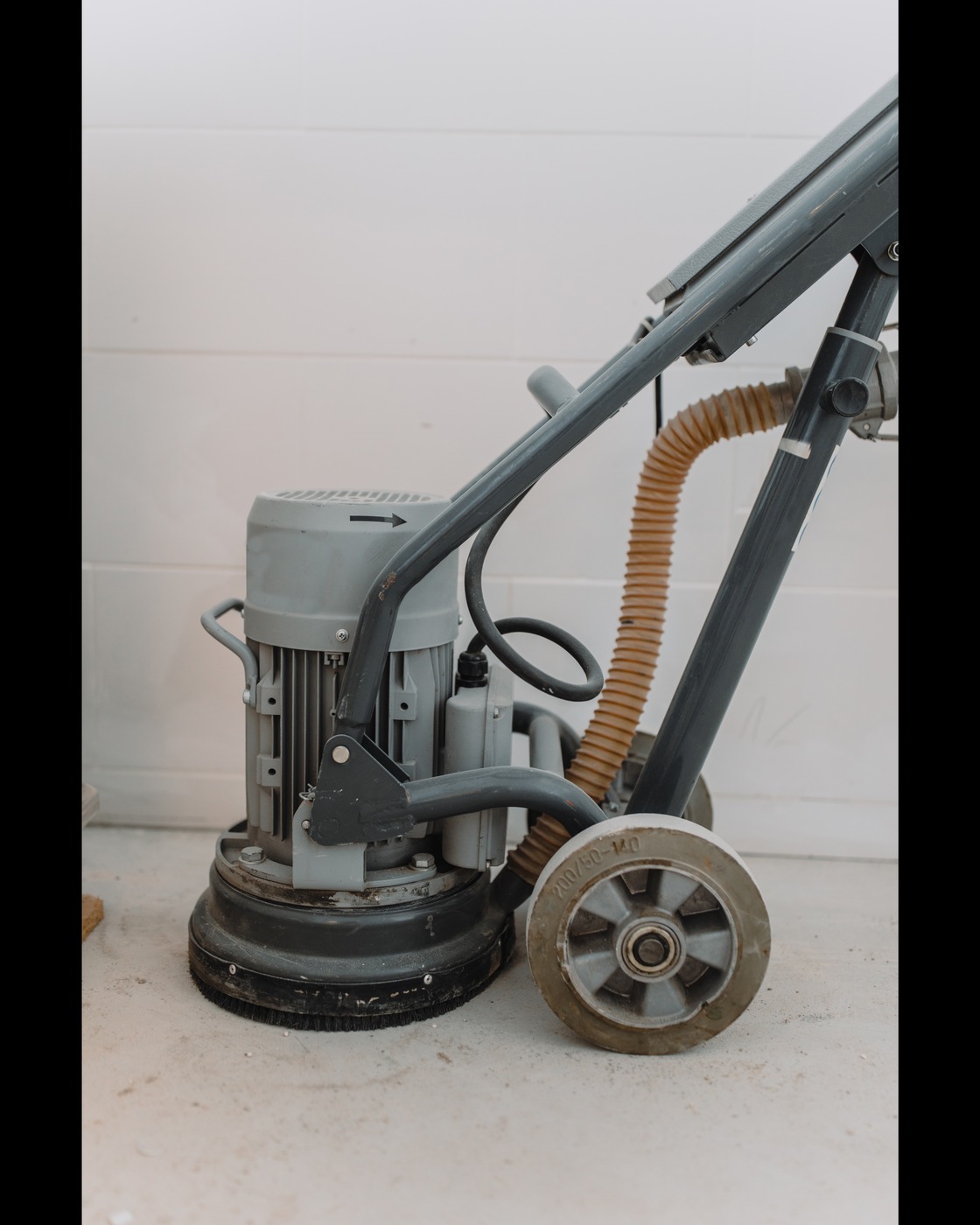
High-value machinery is typically scheduled individually, which gives precise cover at a stated value. Smaller tools sit under one blanket limit covering everything up to a per-item cap. Most contractors need both, and the mistake is a blanket limit sized on what you think you carry rather than on what a full van actually holds.

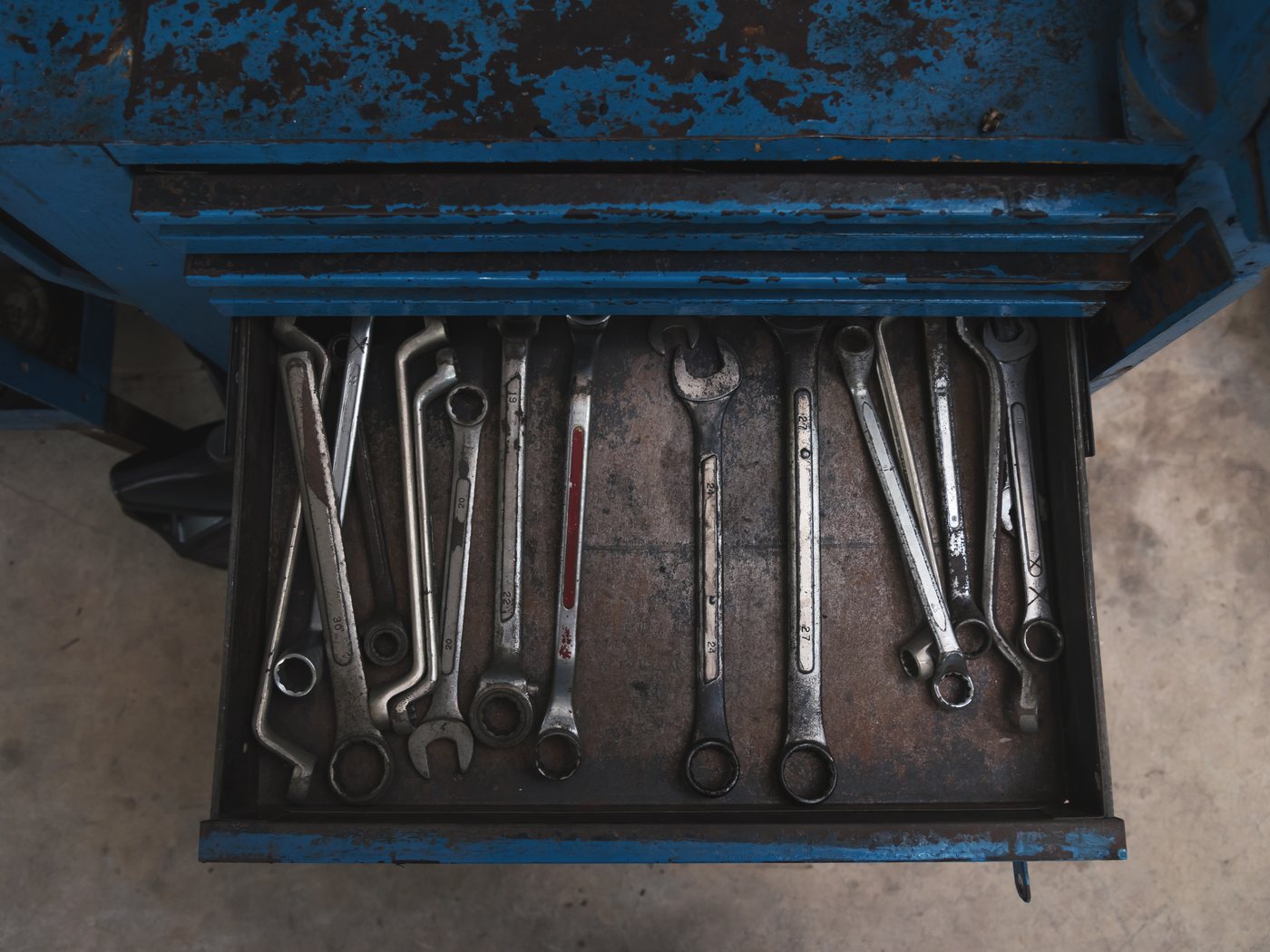
Open tool chest drawer packed with hand tools

Replacement cost, or actual cash value

ACV depreciates older tools: a five-year-old drill worth $400 might pay out $150. Replacement cost pays what it costs to buy the tool today. Across a whole van, the difference between the two bases is the difference between being back at work on Monday and not being back at work at all.

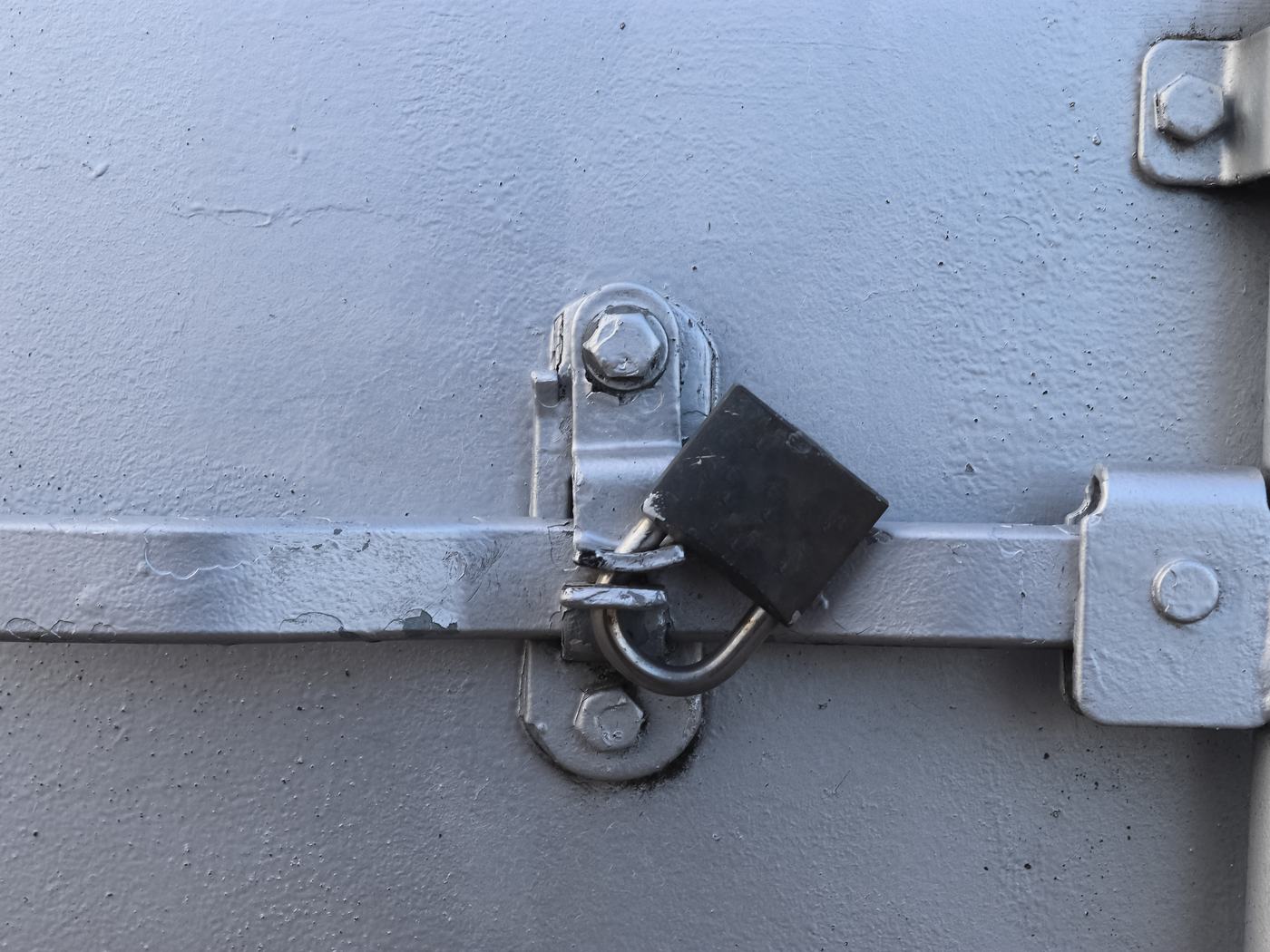
Padlocked site storage box on a construction site

Named peril, or open peril

A named peril form covers only the causes of loss it lists. An open peril form covers everything except what it excludes, which shifts the burden of proof from you to the carrier. On equipment that moves constantly and gets knocked about, that distinction earns its premium several times over.

None of these three show up in a price comparison, and all three decide what a claim is worth. Our brokers read the form against how the business actually operates: whether theft from a locked vehicle is covered, whether rented equipment is included, and whether the peril form matches the way your gear really gets treated. The same applies to what your contract asks the certificate to say, which a main contractor will want before your crew sets foot on site.

Speak to our team

Schedule check

Tick what your gear actually does in a week

Each line below changes what an equipment schedule has to carry, or how it has to be worded. Nothing here is priced and nothing here is a quote.

What the schedule has to say

Tick what applies and the cover it implies appears here.

Walk the van and the yard with this list before your renewal. The schedule is almost always older than the gear standing on it.

Speak to our team

Cost

What drives the cost of tool and equipment insurance

Equipment cover is rated on what you own, where it goes and how it is protected. Six inputs move it more than the rest.

01

Total insured value

The primary driver. Premium scales with the replacement cost of the equipment scheduled, which is why an out-of-date schedule distorts both the price you pay and the payout you get.

Effect on premium
02

Trade type

Higher-theft and higher-damage trades pay more, and the carriers with appetite differ by trade as much as the rate does.

Effect on premium
03

Replacement cost or ACV

Replacement cost costs more and pays more. It is the clearest cost-against-claim trade anywhere on this page.

Effect on premium
04

Storage and security

Locked storage, GPS tracking and alarm systems lower rates, and this is the input you can change fastest between now and renewal.

Effect on premium
05

Claims history

Prior equipment theft or loss claims affect renewal pricing, and on this cover frequency is watched as closely as severity.

Effect on premium
06

Scheduled or blanket structure

Scheduling high-value items gives more precise cover, and the deductible you choose sits alongside it as a second lever.

Effect on premium

Three marks is an input that moves an equipment premium more than the others here. It is a relative weighting drawn from how carriers rate, not a rate and not a quote.

The number that matters is your schedule

Equipment cover is priced off total insured value, so the only accurate answer comes from a current inventory of what you actually own. Most schedules are years out of date, which means the premium is wrong in one direction and the payout is wrong in the other. Walk the van before you ask anyone for a number.

Talk to an expert

Process

How a placement works

We understand your business first, then take it to the carriers who want to write it. An advisor walks you through the options and what they cost. No two files are the same, so what follows is the shape of a placement rather than a script.

  1. Loss runs and a payroll schedule spread on a desk beside a calculator and laptop

    We read the form against how you operate

    Where the gear sleeps, who drives the van, whether anything stays at a client site, and what the trailer is worth. Those answers decide which conditions matter, and they are the questions a generic submission never asks.

  2. Brokerage desk with a monitor in morning light

    We flag the gaps against your operation

    Theft from a locked vehicle, rented equipment, open peril against named peril. We confirm the form covers the scenarios your business actually runs into before it goes to market rather than after a claim tests it.

  3. Stamped certificate on a clipboard with a pen and a magnifier

    After bind, certificates checked against the wording the contract asks for

    A main contractor wants proof before your crew can start, and this is how COIs get issued here. We read the request against your contract so it asks the carrier for the wording that contract needs.

Only while they are at your fixed premises. Property policies insure a location, so tools in a van, on a site or in transit sit outside them entirely. That gap is what this cover closes.

The industry's name for cover on property that moves. It is historical rather than descriptive, and contractor's equipment cover sits inside that category.

Usually, but read the condition. Many forms exclude theft from an unattended vehicle unless it was locked, and some require the tools to be in a locked compartment rather than just inside a locked van.

Scheduled lists high-value items individually at stated values. Blanket covers everything else up to a total limit with a per-item cap. Most contractors need both, and the blanket limit is the one most often set too low.

Replacement cost unless there is a specific reason not to. ACV depreciates: a five-year-old drill worth $400 might pay out $150, which does not put a working tool back in the van.

On forms that extend to it, yes, and this matters because the rental agreement usually makes you responsible for the machine from the moment it leaves the depot.

Employee-owned tools used for business can be covered by endorsement. Without it, a foreman's tools taken from a company truck are nobody's insured loss.

No. That is general liability. This policy pays for your gear, never for what your gear does to somebody else's property or to a person.

Get started

Protect the tools your business runs on

Whether you are insuring a van full of hand tools or scheduling heavy equipment across several sites, we place cover that follows the gear rather than the address, and we read the unattended-vehicle condition before you find out what it says.

  • Forms read against how you actually operate
  • 100+ carrier portals
  • Scheduled and blanket structured together
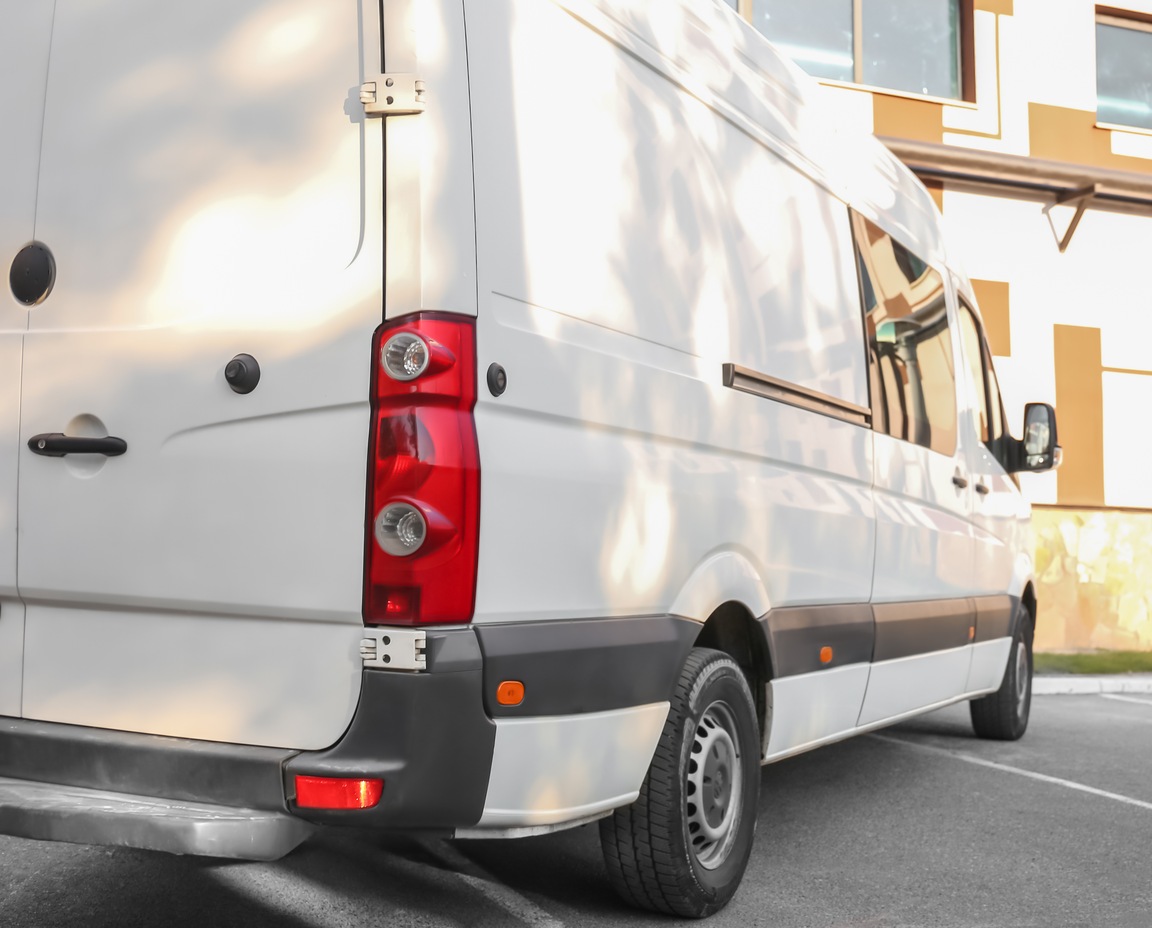
Work van parked in a yard in daylight
Export Design
Download files for your developer
General
WordPress Builders