
Up to $200,000for your travel needs
Flexible loan amounts, so the loan is sized to the trip you are actually taking rather than to a product's ceiling. Most travel loans we write are a long way under this.

Are you dreaming of a getaway but worried about the costs? At Yes Loans, we make it easy to fund your next holiday adventure with our flexible travel loans, from plane tickets and accommodation to everything the brochure leaves out.
At Yes Loans, we make it easy to fund your next holiday adventure with our flexible travel loans. A travel loan is a type of unsecured personal loan designed to give you access to the funds you need to cover all your travel expenses, from plane tickets and accommodation to everything the brochure leaves out.
Flexible loan amounts, so the loan is sized to the trip you are actually taking rather than to a product's ceiling. Most travel loans we write are a long way under this.

Our travel loans can help you secure deals on discounted flights and accommodations. Don't let financial constraints hold you back from experiencing the world.

Applying for a travel loan with Yes Loans is quick and hassle-free. Our online application process takes just a few minutes to complete, and getting your rate does not touch your credit score.
A travel loan is assessed on you rather than on anything you are buying, so the lender you go to matters more here than it does on a car. That is the job: knowing whose policy already has room for your situation. That's why you need to meet our team.
There is no asset here for a lender to hold, so what changes from one trip to the next is not the security. It is the shape of the money: how much, how far ahead the deposit lands, and how long you wait between paying and going. Pick the closest match.

The trip people plan for a year and save for two. From Perth it is also the trip where the airfare is the largest single line in the budget, which changes both what you borrow and when you need it.
Whichever one you picked, the loan behind it is the same product: an unsecured personal loan assessed on you rather than on the trip. Nobody is checking your itinerary. What they are checking is whether the repayment still works in an ordinary month, which is why the estimator below is worth being honest with.
Put the whole trip in, not just the flights, and move the numbers around until the weekly figure looks like something you would happily pay in an ordinary month. Then send it to a broker to be turned into a real quote.
The one slider on this page worth thinking hard about. A longer term makes the weekly figure comfortable and makes the trip cost more, and unlike a car there is nothing depreciating alongside the debt to make a long term sensible.
We are a broker, so we do not set this. Lenders do, per file, and an unsecured loan sits higher on this slider than a secured car or caravan loan would because there is nothing behind it. Move it to whatever you want to test and your broker will come back with the rate a lender will actually write.
You will be shown the sharpest end of whatever the panel is offering that week. Try the lower end of the rate slider.
Indicative costs of your own trip, not ours. These are the four lines that most often end up on a credit card because they were left out of the loan, and they are the same money either way.
A guide only, worked out from the rate you chose above. Yes Loans is a finance broker and does not set interest rates. Your broker will confirm the rate, the fees and the term in writing, from the lender, before you commit to anything.
A holiday is not one payment. It is four, spread over as much as two years, and the biggest one is not the one you make at booking. Knowing which wave is which is most of what deciding how to pay for a trip actually involves.
The smallest payment of the four, and the one that commits you to everything after it.
Airlines, tour operators and cruise lines take a fraction of the total to hold the booking. It is small enough that most people pay it from savings, which is exactly why it rarely feels like a financial decision at the time.
A deposit is almost always non-refundable. Buy the travel insurance on the same day you pay it, because a policy taken out later will not cover a cancellation that happens in between.
The biggest single payment of the trip, and the one people are least ready for.
Everything still owing on the flights, the accommodation and the tours falls due at once, months after you booked and while the trip still feels theoretical. On a cruise this lands even earlier, usually ninety to a hundred and twenty days before sailing.
This is the date that decides whether you need finance at all, so it is the date to work backwards from. Leaving the arrangements until the invoice arrives is how a good trip ends up on a card.
Meals, transport, entry fees, the day you change plans. None of it was in the package.
The part of the budget that is hardest to guess and easiest to leave out of the loan, because at the time of borrowing it does not yet have an invoice attached to it. It is still part of what the trip costs.
Sizing the loan to the booking and then living on a credit card overseas. The card is the most expensive money on the trip and it is charged in a currency you are not earning in.
The only wave that arrives after the trip is over, and the only one that lasts years.
A fixed amount on a fixed date until the loan is paid out, starting from settlement and continuing long after the photographs are on the wall. It is the wave that decides whether the trip was a good idea, and it is the one that never appears in a holiday budget.
Sizing the repayment against the month you book instead of the month you get home. Three weeks away, three years of repayments: choose the term against the ordinary month, not the excited one.
Only one of those four waves is still arriving after the trip is over, and it is the one nobody budgets for. Size the repayment against an ordinary month rather than the month you booked, and the whole thing works.
A bank runs one credit policy and yours either fits it or it does not. A broker runs a panel, which is a different job: finding the lender whose policy already has room for your situation. Every answer below has a condition attached, because the honest ones do.
Paid or unpaid, a listed default does not end the conversation. It narrows the panel and it moves the rate. Put a higher rate into the estimator above and you will see what that actually costs a week before you decide anything.
There are lenders who will assess an ABN as young as twelve months on BAS and bank statements rather than on two full years of tax returns. On an unsecured loan they are reading the income harder than they would on a secured one, so the statements matter more. The paperwork is different, not heavier.
Ordinary in Western Australia and handled badly by a lot of online lenders. A lender who understands rosters and shutdowns will assess the whole income rather than the base, which on a FIFO file is often the difference between a decline and an approval.
Some lenders count it and some will not, and any page telling you it is never a problem is not being straight with you. Where it counts, it counts as income like any other and the assessment is the same. Tell your broker what the income is made of before you apply and you will not waste an enquiry finding out.
Then that is the conversation to have first. Rolling an existing card balance in with the new trip is sometimes the better structure and sometimes not, and the answer depends on the rate you are already paying rather than on the holiday.
Apply jointly. Both incomes are assessed and so are both credit files, so a joint application helps where the second person's file is clean and hurts where it is not. It is worth knowing which before the application goes in rather than after.
It settles into your account before you leave and it behaves exactly the same way whether the trip is perfect, delayed or cancelled outright. Four things follow from that, and all four are easier to deal with before you book.

The loan can pay for the policy. The policy is what covers the trip. They are two separate products doing two different jobs, and the loan is not quietly providing the second one. Loan protection insurance is a third thing again, and worth not confusing with either: it covers the repayments if you cannot work, not the holiday.
If the airline fails, the border closes or somebody gets sick, the repayments continue exactly as written. That is not a catch, it is what an unsecured loan is: money lent to you, not to the holiday. It is also the entire reason to buy cover on the day you pay the deposit.
You fix the loan on the day it settles and you spend the money months later at whatever the rate is by then. A buffer inside the original loan costs less than going back for a second one, and a great deal less than a card used overseas.
A fixed amount, a fixed term and a date the debt ends, all agreed before you go. A credit card has none of the three, which is why the same trip can still be being paid off years later without anybody having decided that it should be.
It is the single cheapest thing on this page and the only one that protects the money you have already committed. Most policies only cover cancellation from the day they are issued, so a policy bought the week you fly protects the flight and none of the twelve months of deposits behind it.
 Yes Loans
263 Albany Hwy, Victoria Park
 A big thank you to Cooper from Yes Loans for helping me secure my loan for my new car! He was easy to communicate with, always kept me updated, and made ... Morein the last week
 Thanks to Stephen, for assisting with my loan and making it possible, he dealt with it professionally and was very quick to reply with any questions and ... Morein the last week
 I cannot recommend Trent highly enough. From the very beginning, he was professional, efficient and incredibly committed to helping me secure the right ... Morein the last week
powered by Google
On an unsecured loan there is nothing for a lender to look at except you, so which lender the file goes to is most of the outcome. Every rating below is that broker's own Google rating, as published on the Yes Loans about page.











It is the most isolated capital city in the world, and that is a budgeting fact before it is a piece of trivia. It changes which part of your trip is expensive, how far ahead you have to commit, and therefore when the finance needs to be sorted.
Getting out of Perth costs more and takes longer than getting out of the east coast, so the flights are a larger slice of the total here than the same trip would be from Sydney. It also means the deposit lands earlier, because the fares worth having sell first.
Bali is under four hours away, Singapore and Kuala Lumpur are a direct run, and the non-stop to London leaves from Perth rather than from the other side of the country. The isolation cuts both ways and the near north is the compensation.
Airfare sales run for days and the good fares go first, which is a poor moment to start an application. A pre-approval is a lender's conditional yes on an amount, given before you have booked anything. It costs nothing, commits you to nothing, and most hold for somewhere between 30 and 90 days.
Your broker is in Victoria Park, which means the person reading your file is in the same time zone as you and books their own holidays out of the same airport. Call (08) 9472 3000 or get your rate online.
Are you dreaming of a getaway but worried about the costs? A travel loan is a type of unsecured personal loan designed to give you access to the funds you need to cover all your travel expenses. From plane tickets and accommodation to other travel-related fees, we've got you covered.
Unsecured is the important word, and it is the one every other page glosses over. On a car or a caravan the lender registers an interest in the thing you bought and can sell it if the loan goes wrong. A holiday cannot be repossessed, so there is nothing standing behind the loan except you. That is why the assessment is entirely about your income and your credit conduct, and why the term matters so much: nothing is depreciating alongside the debt, but nothing is securing it either.
Flights, accommodation, activities, transport, spending money and an emergency fund. In practice it also covers the things that never make it into a holiday budget: travel insurance, visas and vaccinations, airport parking, and the transfers at both ends. All of it is the same loan at the same rate, which is the argument for putting the whole trip on one rather than the bookings on a loan and the rest on a card.
Curious about your potential loan repayments? Try our free online loan calculator to see how much your repayments could be, and how our flexible payment options can help you pay your travel loan off quicker. The estimator further up this page does the same job with the extras included, so you can see the whole trip rather than just the booking.
Applying for a travel loan with Yes Loans is quick and hassle-free. Our online application process takes just a few minutes to complete. Just fill out the simple online form, and you'll be on your way to securing the funds you need. Getting your rate will not affect your credit score, because one application through us reaches the whole panel instead of you applying to lenders one at a time.
As one of the largest finance brokers in Perth, Yes Loans says YES to more travel loan applications daily. Flexible loan amounts mean you can borrow up to $200,000 for your travel needs, and our travel loans can help you secure deals on discounted flights and accommodations. Don't let financial constraints hold you back from experiencing the world.


Say YES to stress free travel. Say YES to Yes Loans today.
Stop wishing you were on holiday. Whether it's a tropical beach, a city you have been reading about for years, or a wedding you cannot miss on the other side of the world, the trip is closer than the savings account suggests. Apply online now or call us on +61 894 723 000 and a broker in Victoria Park will tell you what it looks like before you book anything.
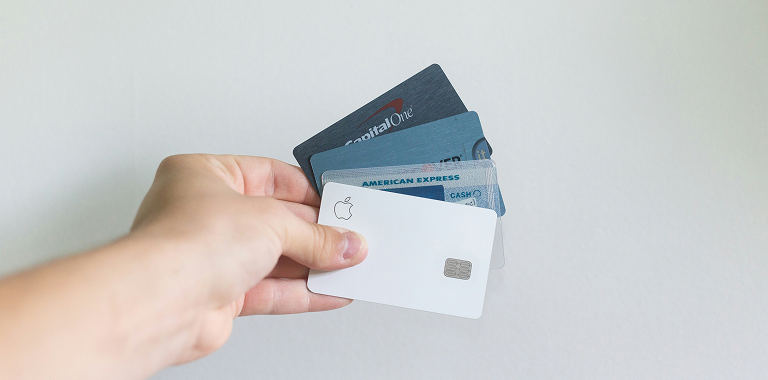
Compare personal loans and credit cards for travel expenses, covering interest rates, repayments, rewards, fees, and which option suits your needs and budget best.

Make memories, discover new cultures and experience things you can't find in Australia. Here is your ultimate guide to the top best places to visit in Europe.

Exmouth is an iconic WA road trip. Here's everything you need to know, including where to find the best boat and car loans for unforgettable adventures.
A travel loan is a type of unsecured personal loan designed to give you access to the funds you need to cover all your travel expenses. From plane tickets and accommodation to other travel-related fees, it is one fixed loan over a fixed term rather than a revolving balance. The word that matters is unsecured: unlike a car or a caravan loan there is no asset behind it, so the lender is assessing you rather than anything you are buying.
Flexible loan amounts mean you can borrow up to $200,000 for your travel needs, though most travel loans we arrange are a long way under that. What you can borrow comes down to your income, your existing commitments and your credit history rather than to the trip itself. Our loan calculator is the quickest way to sanity check a figure before you speak to anybody, and there is a longer answer on how much you could borrow if you want the reasoning behind it.
Unsecured, and it has to be. A secured loan works by the lender registering an interest in something it could sell if the loan went wrong, and a holiday cannot be repossessed. That is why a travel loan is priced differently from a car loan and why the assessment rests entirely on your income and your credit conduct.
Generally you will need to be over 18, an Australian citizen or permanent resident, receiving a regular income you can evidence, and holding an active Australian bank account. Beyond that a lender is weighing your income against your existing commitments. A perfect credit score is not the test, and a thin file is not a decline. Our step-by-step guide to getting a personal loan walks through the whole process if you would rather read it first.
Photo identification, proof of income such as recent payslips or a Centrelink income statement, and around ninety days of bank transaction history. Self-employed applicants may be asked for BAS statements instead of, or as well as, tax returns. It is a short list, and having it ready is the difference between an answer this week and an answer next week.
Often within a day or two of the file being complete, and sometimes the same day. The part that takes time is almost never the lender - it is waiting on a document. If you are working to a final payment date, tell your broker the date at the start rather than at the end.
Getting your rate here will not affect your credit score. One application through us reaches the whole panel, so you avoid the multiple enquiries that come from applying to lenders one by one, and multiple enquiries in a short period are themselves something lenders look at.
Often, yes. Paid or unpaid defaults, a discharged bankruptcy or a thin file narrow the panel and move the rate rather than closing the door. The honest position is that it costs more, and your broker will tell you what it costs before you apply rather than after.
Yes. Some lenders will assess an ABN as young as twelve months on BAS and bank statements rather than on two full years of tax returns. On an unsecured loan the income is read harder than it would be on a secured one, simply because there is nothing else to look at, so clean statements do a great deal of work.
Some lenders count Centrelink and pension income and some will not, and any page telling you it is never a problem is not being straight with you. Where a lender does count it, it is assessed like any other income. Tell your broker what the income is made up of at the start and you will not spend an enquiry finding out.
Flights, accommodation, activities, transport, spending money and an emergency fund. In practice it also covers travel insurance, visas and vaccinations, airport parking and transfers at both ends. If it is part of the trip it can generally be part of the loan, which is the argument for one loan covering the whole thing rather than a loan for the bookings and a card for the rest.
Yes, and it is worth doing. The premium is a small part of the loan and it is the only thing protecting the deposits you have already committed. Buy the policy the day you pay the first deposit rather than the week you fly, because most policies only cover cancellation from the date they are issued.
Nothing changes. The repayments continue exactly as written, because the money was lent to you rather than to the holiday. If the airline fails, a border closes or somebody gets sick, it is the travel insurance that responds and not the loan. This is the single most important thing to understand before you borrow for a trip.
A loan gives you a fixed amount, a fixed term and a date the debt ends, all agreed before you go. A card gives you none of the three, which is how a two week holiday is still being paid for three years later. A card can make sense for the spending on the ground if it is cleared each month. For the flights and the accommodation, a fixed term is doing something a card cannot.
Before you pay the final balance, and ideally before you pay the deposit. The deposit is the moment you commit to the trip, and it is a much better time to find out what you can comfortably borrow than the week the balance falls due. On a cruise, work backwards from the final payment date in the contract.
Yes, and for travel it is the better order to do it in. A pre-approval is a lender's conditional yes on an amount, given before you have chosen a trip. It costs nothing, commits you to nothing, and most hold for somewhere between 30 and 90 days, which is long enough to cover a fare sale you would otherwise have to decide about on the spot.
Yes. On a joint application both incomes are assessed and so are both credit files, which helps where the second file is clean and does not where it is not. If you are both going, it is usually worth at least testing, and worth knowing the answer before the application goes in.
In most cases yes, and paying it out early reduces the interest you pay overall. Whether there is a cost for doing so depends on the lender and on the product, so it is a question worth asking before you sign rather than after, and one your broker will raise with you anyway.
Not necessarily. Plenty of travel loans settle with nothing down. Paying part of the trip from savings lowers what you borrow, shortens the term you need and can widen the number of lenders willing to look at the file, which matters most on a thin credit file or a rebuild. Both versions are worth modelling on the estimator above.